10,000 Workers, One Weapons Factory: 'The Big Boom!' Hits IDFA
Gabriel Tejedor's IDFA documentary follows four residents of Kazanlak, where the Arsenal arms plant employs over 10,000 people and sends ammunition to Ukraine.
Programme
- The Big Boom! screens in IDFA's Frontlight strand; Lightdox acquired world sales rights in October.
- The Arsenal factory in Kazanlak, Bulgaria employs more than 10,000 people.
- It is the fifth documentary by Swiss filmmaker Gabriel Tejedor.
- Mira Film Basel produced the doc, co-produced by RTS and SRG SSR.
- The film follows four residents, including a Ukrainian refugee and a pacifist ex-factory worker.
Swiss filmmaker Gabriel Tejedor's fifth documentary, "The Big Boom!", screens in IDFA's Frontlight strand and centers on Kazanlak, a Bulgarian village where more than 10,000 people work at the Arsenal weapons factory. The plant's ammunition mostly goes to Ukraine's frontlines, a few miles from civilian life in Bulgaria's Valley of Roses.
Lightdox acquired world sales rights to the film in October. Mira Film Basel GmbH produced it, with RTS Radio Télévision Suisse and SRG SSR as co-producers; Susanna Guggenberger of Mira Film served as producer. Swiss and regional film funds and cultural institutions supported the project.
What does the film show?
The documentary follows four residents whose lives the factory shapes in different ways:
- A factory worker who takes pride in her work and feels empowered refining her shooting skills.
- A former Arsenal employee turned pacifist journalist, who left the plant decades ago and now challenges local views on the war.
- A Ukrainian refugee and his daughter rebuilding their lives in Kazanlak while coping with the trauma of loss.
- A Roma grandmother whose family history carries the painful memories and consequences of the factory's past.
Residents voice the film's central contradiction directly. "It's sad to say but thanks to this war we live very well," one resident says. "Arsenal guarantees me job security and peace of mind," says another. Meanwhile, a group of pacifists stages a protest against a monument to a historical figure responsible for the deaths of thousands of Bulgarians.
Why does Kazanlak complicate pacifism?
Kazanlak has deep historical and cultural ties to Russia, and many residents harbor mixed feelings about the country their work now opposes. Tejedor, 47, said his Swiss neutrality no longer offered clear answers once the war moved within a few hundred kilometers of home.
"Of course I'm against weapons, but I also deeply support Ukraine," Tejedor said. "In Bulgaria, I discovered that if you call yourself a pacifist, people can understand that as being pro-Russian, because you want to leave things as they are. That made me question my own understanding of pacifism."
He frames the stakes beyond one conflict. The film, he said, "looks at a global scale: the future world we'll inhabit and the looming threat of a WWIII."
How does a rose town live with arms?
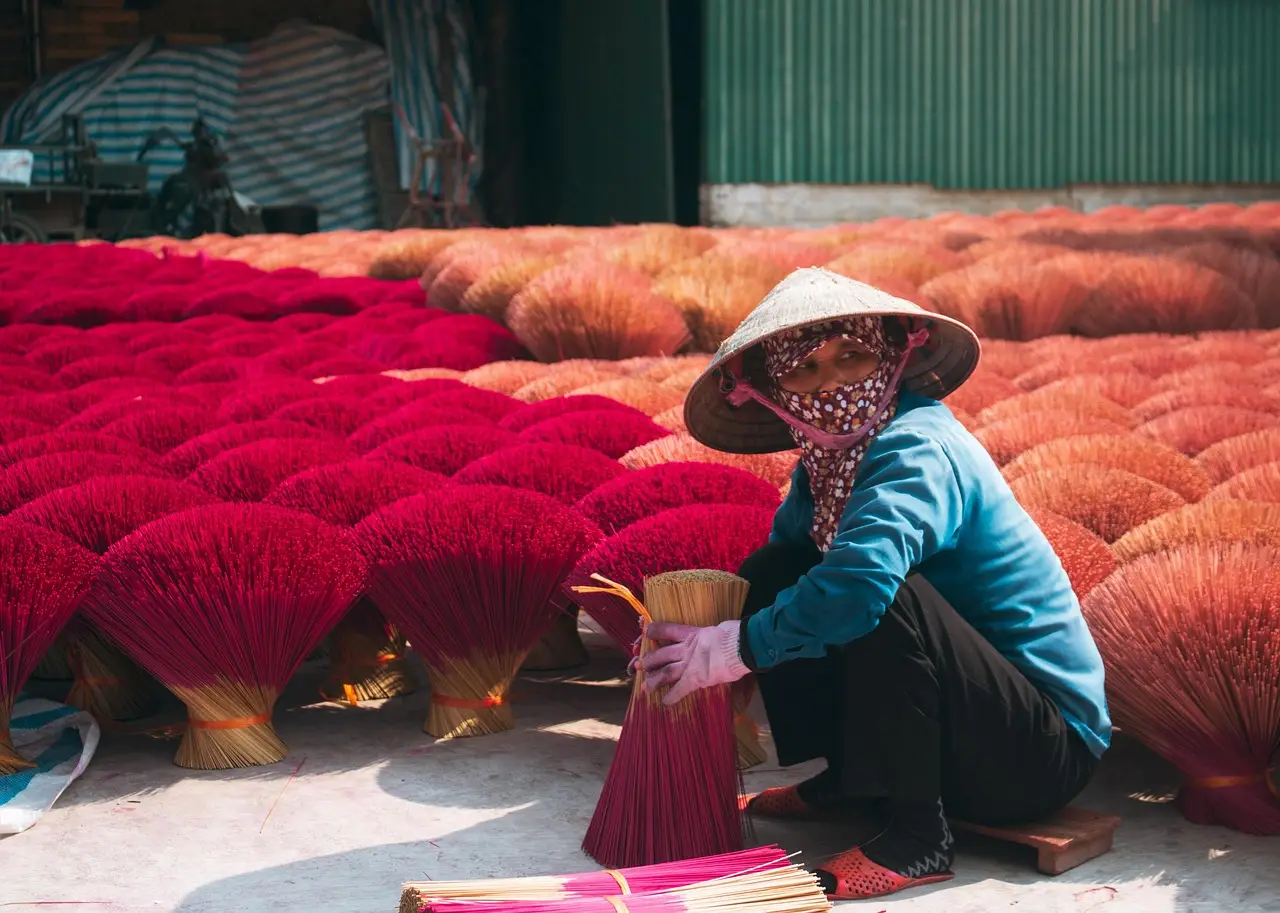
Kazanlak sits in a valley famous for roses and perfume. Tejedor found the contrast with Arsenal extraordinary at first, but time there changed his view. "The factory isn't separate from daily life — it shapes the local economy, history and identity," he said. "Weapons are everywhere: shooting ranges, arms fairs, military events."
The town does not fully embrace its arms industry. Kazanlak uses its rose heritage to soften its image, while residents raise children and live ordinary lives. Tejedor said he became drawn to this coexistence rather than treating the factory merely as a place where weapons are made.
His protagonists run the full spectrum. Some are pacifists; others are enthusiastic about weapons. Some see Arsenal as a way to afford a seaside holiday; others call it prostitution. Some are fatalistic, believing humans will inevitably fight. "I didn't want to judge these positions, only ask the audience: What would you do in this town?" Tejedor said. "Arsenal is everywhere — in schools, in cultural life — making it genuinely hard to simply say, 'No, I won't work there.'"
Does the filmmaker still call himself a pacifist?
Tejedor said the war forced him to recognize his own complicity — buying Russian oil, gas and wheat, and living in Switzerland, which like Bulgaria manufactures weapons for Ukraine. "I cannot look at Bulgaria as if it were only their problem; we are all involved," he said.
His position has shifted, but he argues weapons are not the only answer. Europe, he said, must develop renewable energies to stop funding the Russian state, and sanctions should target anyone aiding the Russian military complex, not just Russians and Belarusians. "The Big Boom!" now enters the market with Lightdox carrying a question designed to outlast this war: where does each viewer stand?
Source: Variety Film
More from Elena Vasquez
Show full bio
Senior reporter covering technology and product news in arts in the broadest sense at Arts & Voices.
1,685 articles