300 Rare Russian Volumes Anchor Porto Alegre Book Fair
About 300 rare Russian volumes — from 14th-century facsimiles to Solzhenitsyn — fill Porto Alegre's Multipalco Eva Sopher until Saturday the 14th, inside the 72nd book fair.
Programme
- Roughly 300 rare volumes from Gilberto Schwartsmann's private collection are exhibited at the Multipalco Eva Sopher until Saturday the 14th.
- The exhibition Russkaya dusha – Alma Russa forms part of the 72nd Feira do Livro de Porto Alegre.
- The show includes first editions and manuscripts by Dostoyevsky and Tolstoy, works by Gogol, Turgenev and Chekhov, and material dating to the 14th century.
- Three life-size statues of Dostoyevsky, Tolstoy and Chekhov wear period clothing; actors Zé Adão Barbosa and Arlete Cunha lead reading sessions.
- Schwartsmann, emeritus professor at UFRGS, sits in two academies and presides over the Porto Alegre Symphony Orchestra.
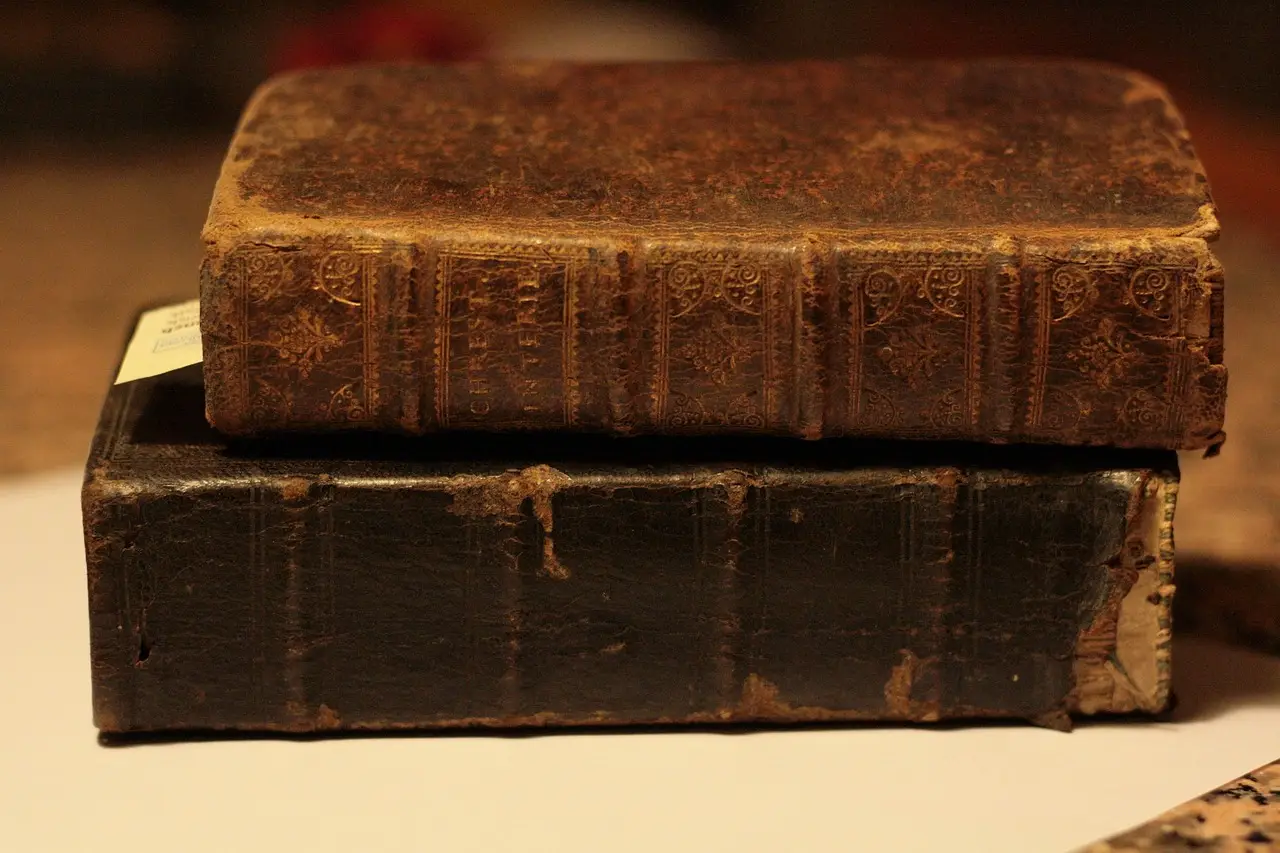
About 300 rare Russian volumes will sit inside the Multipalco Eva Sopher in Porto Alegre until Saturday the 14th, within the program of the 72nd Feira do Livro de Porto Alegre (the Porto Alegre Book Fair). They belong to Gilberto Schwartsmann, a physician, writer and bibliophile — a collector of rare books — in a show titled Russkaya dusha – Alma Russa ("Russian Soul — Russian Gold").
What does the collection actually hold?
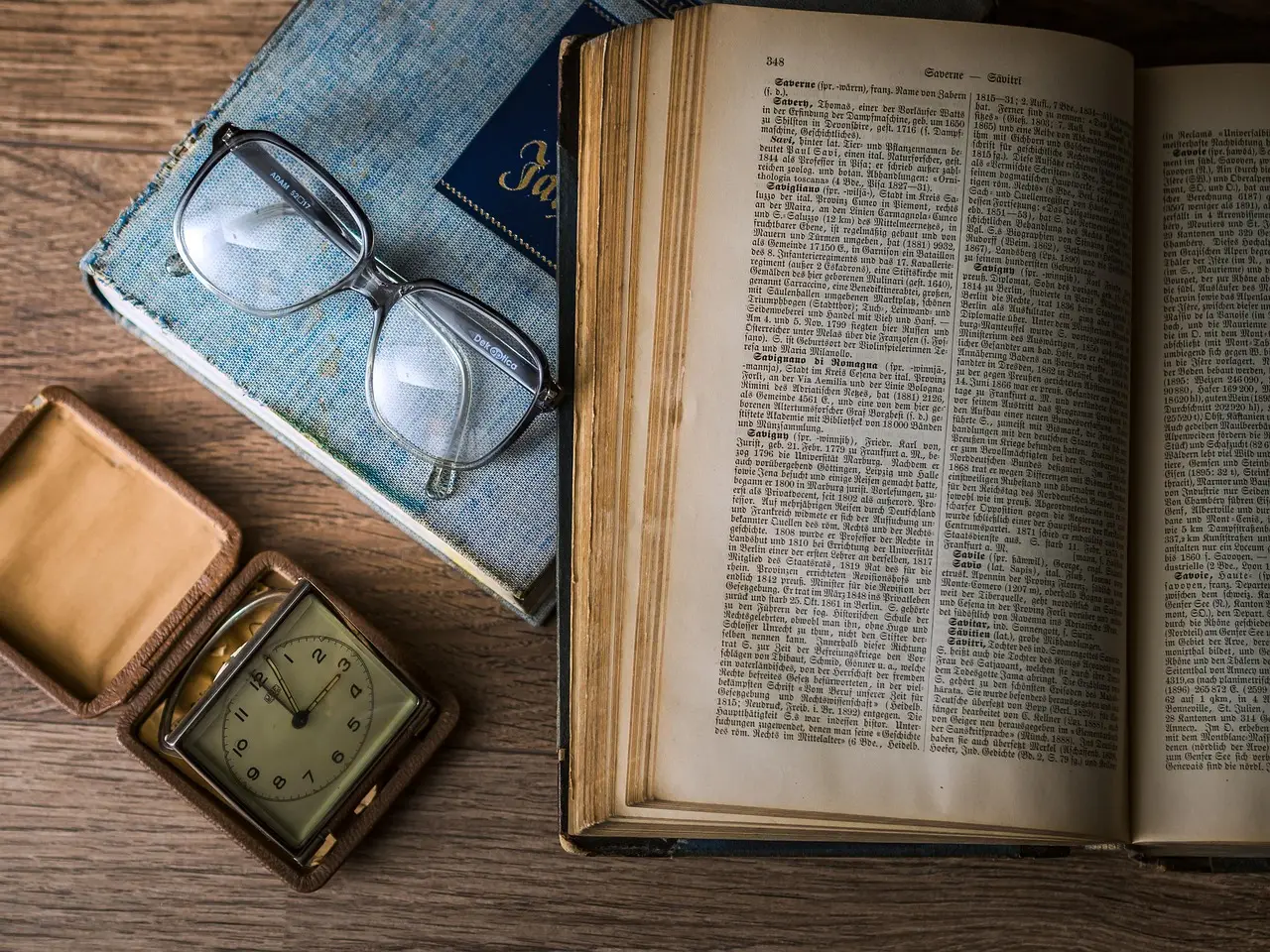
The selection, roughly 300 volumes in all, includes:
- First editions and original manuscripts by Fyodor Dostoyevsky and Leo Tolstoy
- Works by Nikolai Gogol, Ivan Turgenev and Anton Chekhov
- Materials that reach back to the 14th century
- Nobel Prize in Literature laureates Boris Pasternak, Aleksandr Solzhenitsyn and Svetlana Alexievich
- Facsimiles of original manuscripts (reproductions made to stand in for fragile originals), writers' personal notebooks and reproductions of historical documents
That last group matters, because it lets visitors read the material traces of literary production: how a manuscript was written, kept, annotated and filed, not merely how it reads in print.
Which periods does the show cover?
The Nobel names push the chronology into the Soviet and post-Soviet decades, and the exhibition uses them to mark the political and social transformations of the Russian literary tradition. The display therefore runs on two clocks, an imperial-medieval one and a twentieth-century one, with the nineteenth century — Tolstoy, Dostoyevsky, Chekhov — holding the middle.
Roughly 300 volumes is a small library by institutional standards. It is also plainly somebody's personal shelf, curated by one reader, which is where the show's candor lies.
What stands beside the shelves?
Three life-size sculptures of Dostoyevsky, Tolstoy and Chekhov occupy the room, dressed in period clothing — closer to Madame Tussauds than to a museum plinth — alongside historical photographs. The program also schedules sessions of reading aloud, with texts interpreted by the actors Zé Adão Barbosa and Arlete Cunha.
Who is Gilberto Schwartsmann?
Schwartsmann is an emeritus professor at the Federal University of Rio Grande do Sul (UFRGS), a member of the National Academy of Medicine and the Rio-Grandense Academy of Letters, and currently president of the Porto Alegre Symphony Orchestra. Few collectors arrive with a résumé like that one: medicine, two academies, an emeritus chair and an orchestra.
He has also shown the collection before, at the Biblioteca Pública do Estado (the State Public Library) and the Academia Brasileira de Letras (the Brazilian Academy of Letters). He holds the Medalha Simões Lopes Neto, granted by the state government.
His own case for the material is lofty. Schwartsmann argues that "the Russian landscape permeates the literary text and generates a sensation of eternity that plunges the reader into existential questions." The claim is grand; the evidence is more specific — 300 volumes, three statues in frock coats and two actors on a reading rota.
What happens after Saturday?
This booking changes the collection's address, from academies and a state library to a fair floor, where the volumes share space with staged readings and historical photographs. The Porto Alegre run ends on Saturday the 14th, and the next venue is not announced.
For a book fair, that is the familiar bargain: the shelves stay open a few more days, the owner takes his collection home, and the visitors go and spend money on new books instead.
Source: brasilemfolhas.com
More from Daniel Okafor
Show full bio
News editor covering companies, deals and strategy in arts in the broadest sense at Arts & Voices.
1,331 articles