55.5% of Rio Grande do Sul Flood Victims Report Home Damage
IBGE data shows 55.5% of Rio Grande do Sul flood victims reported structural damage. Architect Maria Fernanda Wiethorn Aliano details design measures for climate-resilient homes.

Programme
- 55.5% of residents affected by the 2024 Rio Grande do Sul floods reported structural damage to their homes, per IBGE.
- The IBGE survey covers September 15, 2025 to February 27, 2026.
- Maria Fernanda Wiethorn Aliano, CEO of we.arch, said planning must prioritize durability and thermal performance from the design stage.
- Recommended flood measures include roof inspections, gutter cleaning, drainage floors and rain gardens.
- Automation, inverter appliances and photovoltaic panels reduce household electricity consumption.
Brazil's intensifying heat waves and extreme rainfall have turned climate adaptation into a technical directive for the construction industry. The shift comes with hard numbers behind it.
According to data from the Instituto Brasileiro de Geografia e Estatística (IBGE), 55.5% of residents affected by the 2024 floods in Rio Grande do Sul reported some form of structural damage to their homes. The survey covers the period from September 15, 2025 to February 27, 2026. In plain terms: more than one in two flooded households came out of the disaster with a damaged house.
What must change in how houses are planned?
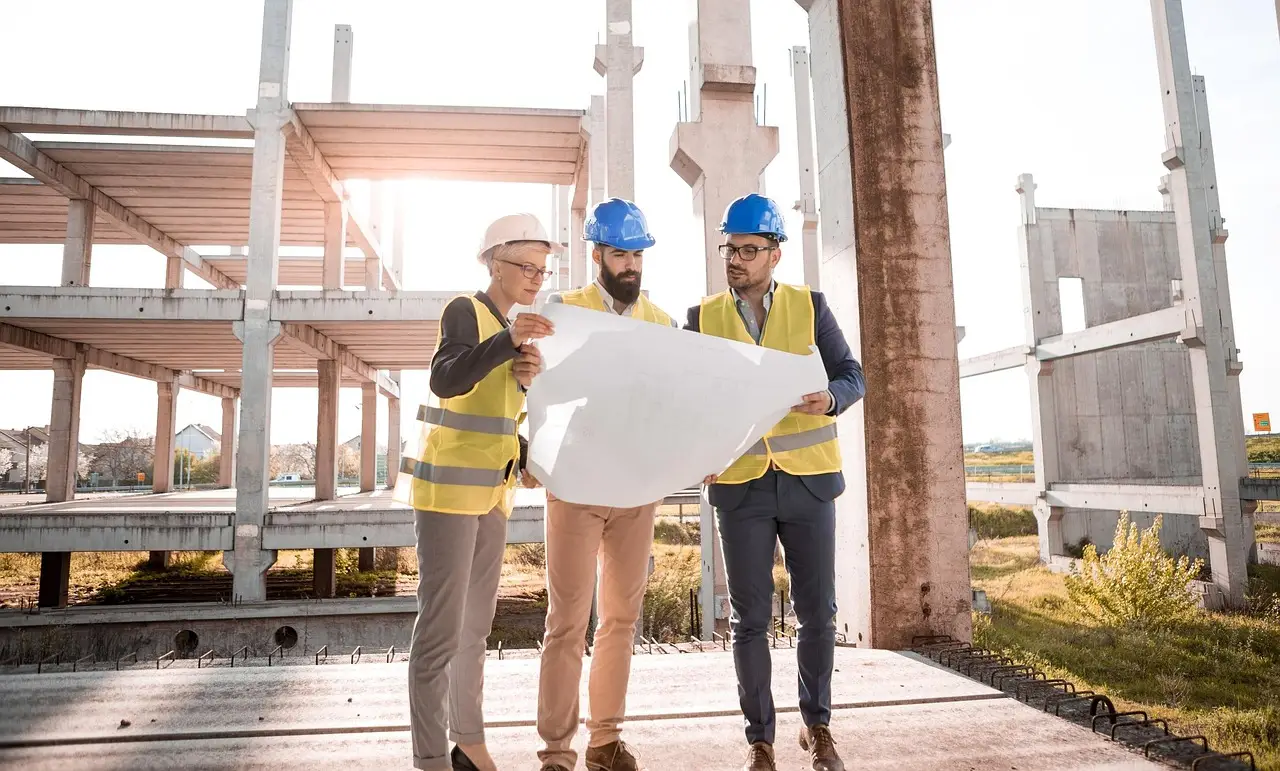
Maria Fernanda Wiethorn Aliano, CEO of architecture firm we.arch, said architectural planning must now focus on durability and thermal performance. Preparation, in her view, starts at the design stage, considering ease of maintenance and material efficiency so houses can withstand the climate conditions of the coming decades.
The specialist identifies early detection of wear as a cost lever. Signs such as damp stains, mold and cracks, when caught early, reduce the cost of interventions.
Her recommendations for flood prevention are concrete:
- Regular roof inspections
- Gutter cleaning
- Drainage-friendly floors
- Rain gardens to absorb runoff
These measures, she argues, prevent infiltrations and flooding during rainy periods.
How can houses fight extreme heat?
The strategy against heat begins with limiting how much gets inside in the first place. Aliano's approach relies on cross ventilation, brise-soleil screens, roof overhangs and vegetation for shading. Thermal-acoustic insulation in the roof and careful choice of surface finishes also cut the transfer of heat into interior rooms — less heat in, less need for artificial cooling out.
The equation matters for household budgets. Every degree of heat kept out by design is a degree the air conditioning does not have to fight, and that reduction compounds across a building's lifespan.
Where does technology fit in?
Technology plays a central role in the plan. Automation systems for blinds and climate control, appliances with inverter technology and rooftop photovoltaic panels all help reduce electricity consumption. Aliano explained that monitoring allows homeowners to track energy use in real time and identify waste.
The point is visibility: a household that sees its consumption hour by hour can act on it the same day, not months later when the bill arrives.
What does the site itself dictate?
Planning must integrate topography, solar exposure and the local microclimate before construction begins. In regions with heavy rainfall, mapping water drainage paths is essential. In hot areas, the building's solar orientation is decisive for extending the construction's durability.
In other words, the ground and the sun decide part of the design before the architect draws a single wall.
The takeaway
The IBGE figure — 55.5% of flood-hit households reporting structural damage — frames climate resilience as a design requirement, not an upgrade. As heat waves and extreme rains intensify across Brazil, the homes built to the standard Aliano describes, planned around durability, thermal efficiency and real-time energy monitoring, are the ones most likely to stand through the next decade of weather.
Source: brasilemfolhas.com
More from Elena Vasquez
Show full bio
Senior reporter covering technology and product news in arts in the broadest sense at Arts & Voices.
1,774 articles
Also on view
Rio Council Weighs Zoning Change to Unlock $25M Restoration of São Cornélio Palacete
Paralelo Transversal Completes Casa Ensenada Under a Single Cantilever Roof
Rio's Moreira Salles Institute Halts Construction After Neighbour Complaints
Estúdio 41 raises concrete holiday house above Brazil's flood line