A 1972 Harlem Party, Unearthed: Greaves' Lost Documentary Finally Arrives
Shot in 1972 at Duke Ellington's townhouse and unfinished until now, Once Upon a Time in Harlem opens October 16 after its Sundance premiere — a living oral history of the Harlem Renaissance.
Programme
- Once Upon a Time in Harlem opens in theaters on October 16 after premiering at the 2026 Sundance Film Festival.
- William Greaves shot the party on 16mm in August 1972 at Duke Ellington's Harlem townhouse with roughly two dozen Harlem Renaissance figures.
- The project was unfinished at Greaves' death in 2014; his son David Greaves, a camera operator at the event, completed the direction.
- Langston Hughes had died in 1967; actor Leigh Whipper, in his 90s, attended the gathering.
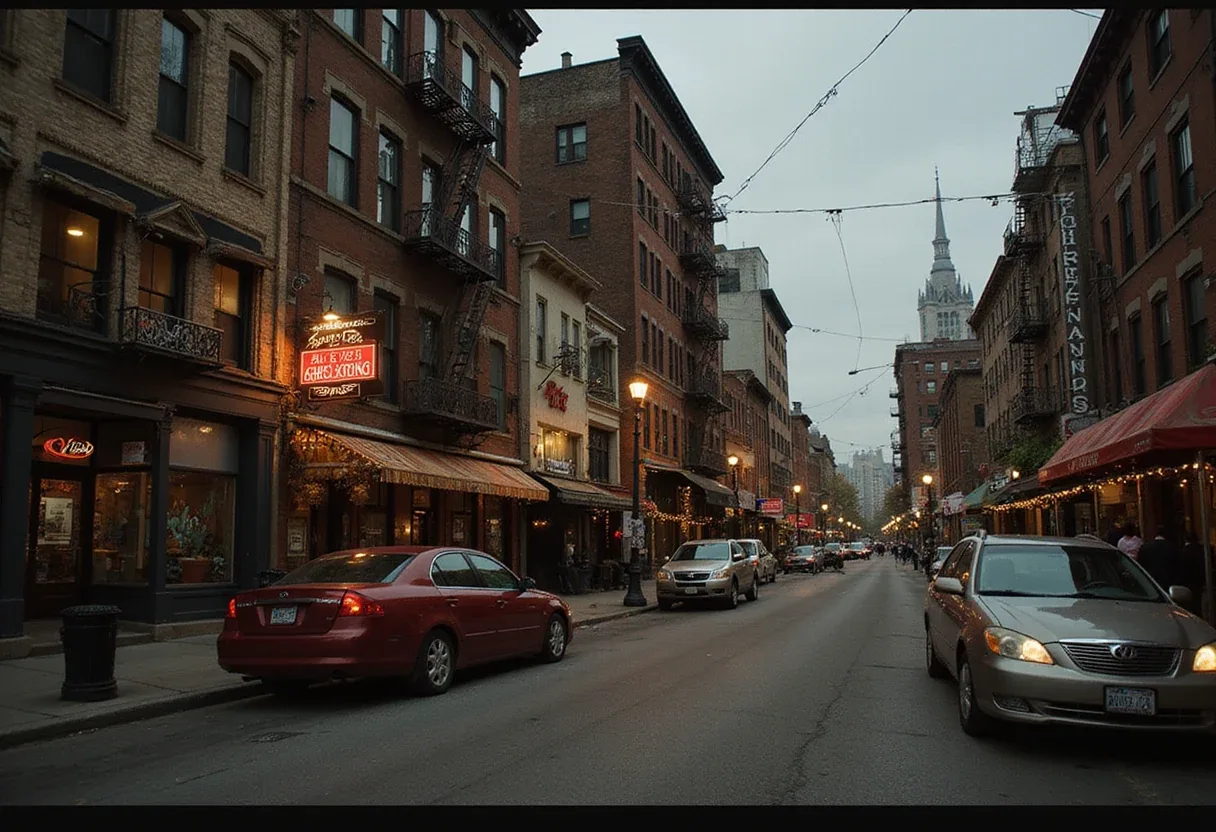
Fifty-two years after William Greaves filmed a cocktail party at Duke Ellington's Harlem townhouse, the resulting documentary — Once Upon a Time in Harlem — reaches theaters on October 16. The film premiered at the 2026 Sundance Film Festival and captures roughly two dozen veterans of the Harlem Renaissance in conversation, on 16mm, in August 1972.
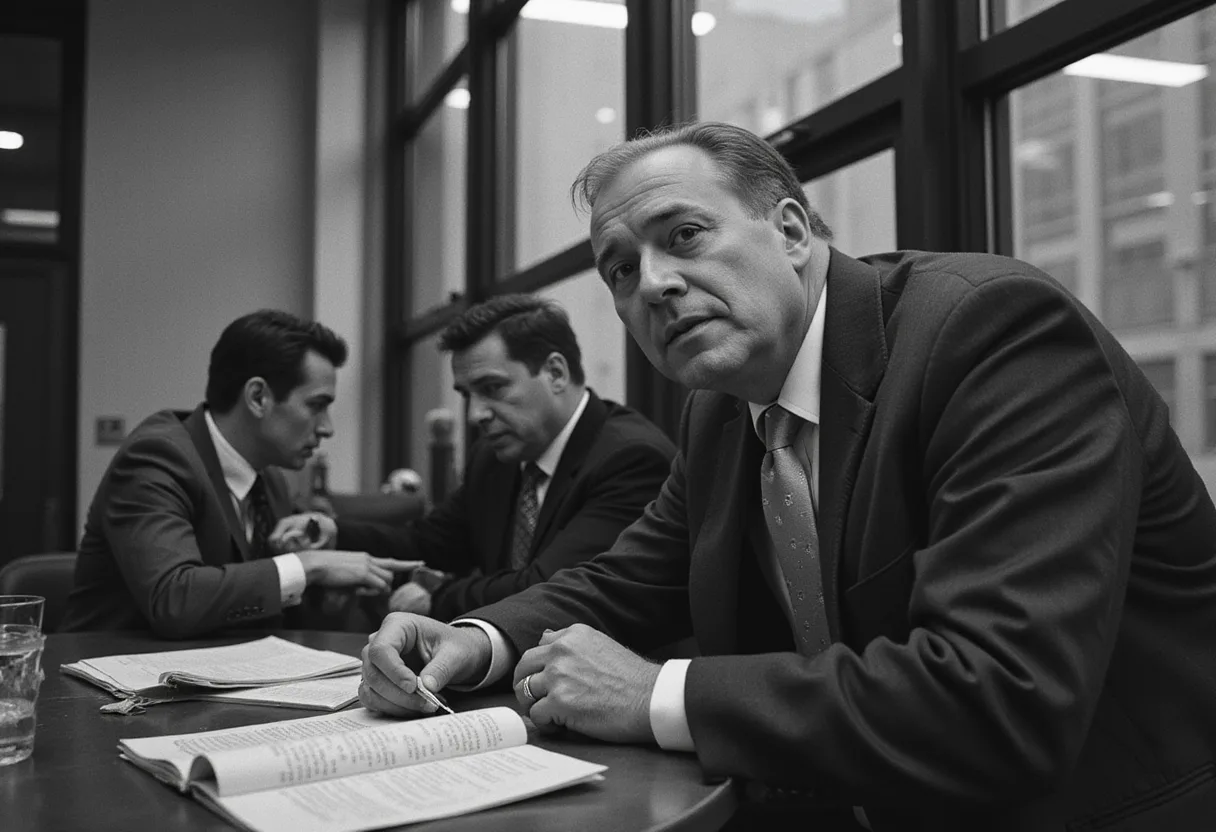
Greaves organized the gathering himself. He invited artists and intellectuals of the period to reflect on and interrogate their experiences while he captured everything on camera. The project sat unfinished at the time of his death in 2014. His family then worked to complete it, and his son David Greaves — one of the camera operators at the original event — took over direction. The Film Stage's review calls his inherited work "marvelous." The film earned the site's Critics' Pick designation.
How the film works
The structure mirrors the party itself. Handheld footage and lively editing bounce the viewer from one conversation to the next, echoing the sensation of drifting through a crowded room. When things get too chaotic, William Greaves can be heard off-camera steering discussion back to the topics at hand.
The guests — some of whom hadn't seen each other in half a century — remember, honor, debate and contest. Arguments simmer but never boil over. There's friction over the very concept of a retrospective, and over the political vocabulary of the day.
David Greaves alternates between the larger party and smaller one-on-one interviews, at times using split-screens. Archival footage supplies context. When photographer James van der Zee plucks notes on Ellington's piano, the film cuts to his photographs of Harlem's residents, then back to the same subjects — with, as the review puts it, "a few more wrinkles and greys."
Who steals the show
Poet Arna Bontemps describes the Harlem Renaissance as "a prism reflecting all of the Black experience from the beginnings to the present." He also recites his poem "The Day-Breakers," written about the very people at the party.
The breakout figure, though, is painter, writer and self-described dilettante Richard Bruce Nugent — easy to spot in his red turtleneck. He offers the nugget that one doesn't think about a period historically while living through it, so there's not much for him to say. He then undercuts that sentiment as the film goes on, talking plenty.
Why the timing mattered
Ellington himself doesn't appear — the party was simply held in his townhouse, a stately space whose trophies and plaques frame four or five living monuments of the era at any given moment. Langston Hughes had already died in 1967. Actor Leigh Whipper, founder of the Negro Actors Guild, attended despite being in his 90s. As the review notes, if there was ever a time to get these people together, 1972 was a good call.
What does this change for viewers?
The film functions less as nostalgia than as a gateway. It's a dense document of cultural history that names as many absent figures as attendees — the Modernist art of Aaron Douglas, the poetry of Countee Cullen, aviator Herbert "The Black Eagle" Julien, and the mobster Casper Holstein, whose less-than-scrupulous wealth supported much of the era's work. As the review puts it, it's hard to walk away without a roster of people to Google.
Van der Zee sums up the event as "miles and miles of memories," and the Greaves family clearly had more material than the film could hold — bonus footage runs over the credits.
Source: The Film Stage
More from Grace Kim
Show full bio
Correspondent covering technology and product news in arts in the broadest sense at Arts & Voices.
569 articles