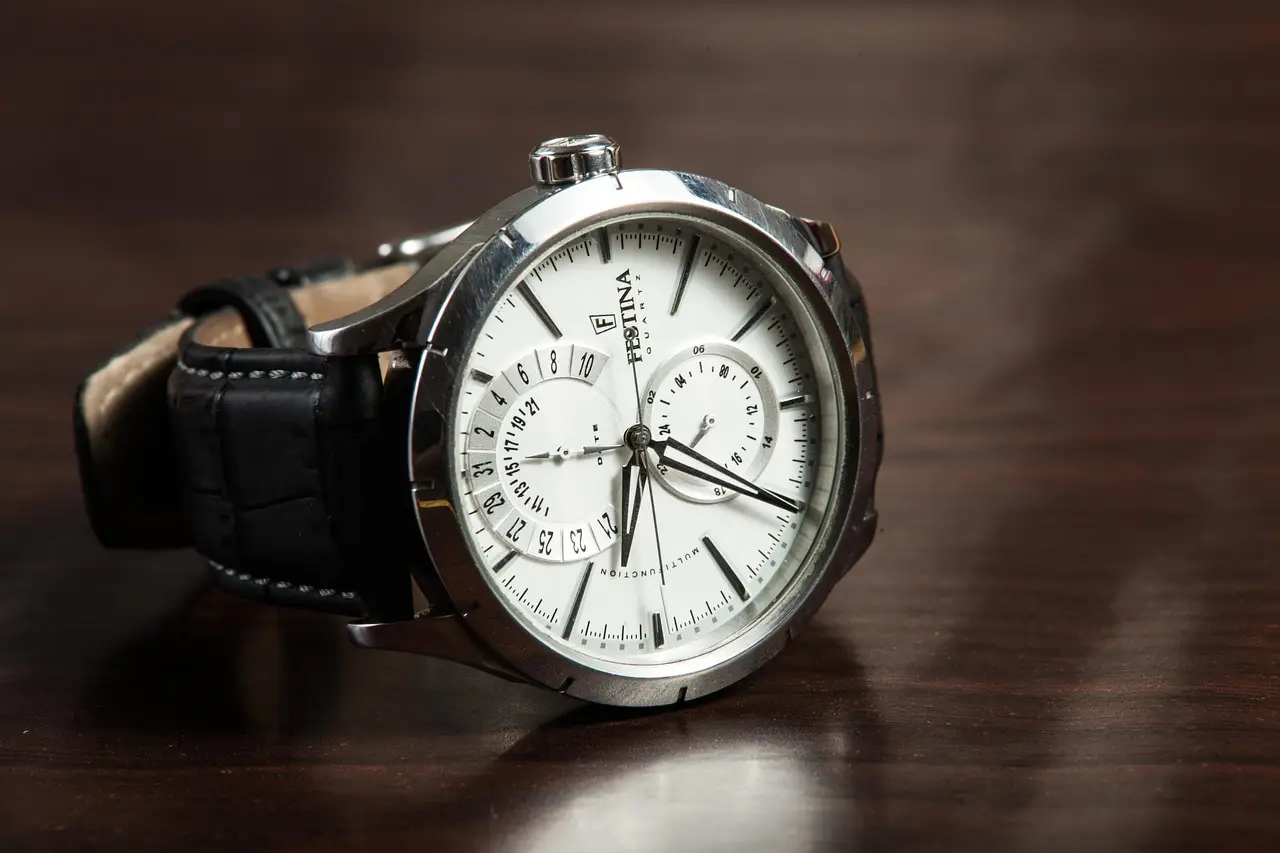
A. Lange & Söhne’s 50-piece Datograph Perpetual returns
A. Lange & Söhne marks 20 years of the Datograph with 50 numbered 950-platinum models. The hand-wound L952.1 pairs a fifth-of-a-second chronograph with a perpetual calendar.
Programme
- The anniversary Datograph Perpetual is limited to 50 individually numbered examples.
- Its 950 platinum bracelet accompanies the 20-year return to the original complication pairing.
- The manually wound L952.1 calibre contains 556 components, including 223 for the perpetual calendar.
- The chronograph measures elapsed time within a fifth of a second.
- The perpetual calendar requires a one-day correction on 1 March 2100.
By Grace Kim
A. Lange & Söhne has limited the anniversary Datograph Perpetual to 50 individually numbered examples, with prices available only on request. The release marks 20 years since the German watchmaker first paired a chronograph (a stopwatch function) with a perpetual calendar (a mechanism that tracks changing month lengths and leap years) and an outsize date.
Twenty years later, the combination returns on a 950 platinum bracelet, a material the review describes as almost impossibly rare among A. Lange & Söhne’s modern offerings. The Watch of the Week reviewer calls the finished watch “an absolute stunner,” while finding a contemporary German watchmaking exemplar beneath the metal.
Even the Watch of the Week columnist, who usually skims over a movement’s finer details, stops to examine this one. That attention reflects the density of the L952.1, the manually wound manufacture calibre (complete mechanical movement) inside the case.
A. Lange & Söhne’s technical description counts 556 individual components in the L952.1 and identifies 223 as dedicated to the perpetual-calendar mechanism. Those figures make the movement’s complexity concrete.
At the chronograph side, A. Lange & Söhne uses a traditional column wheel (the mechanism controlling the stopwatch function), which the review associates with precise operation. A flyback function (one control that stops and immediately restarts an ongoing measurement) provides a practical way to handle interrupted timing.
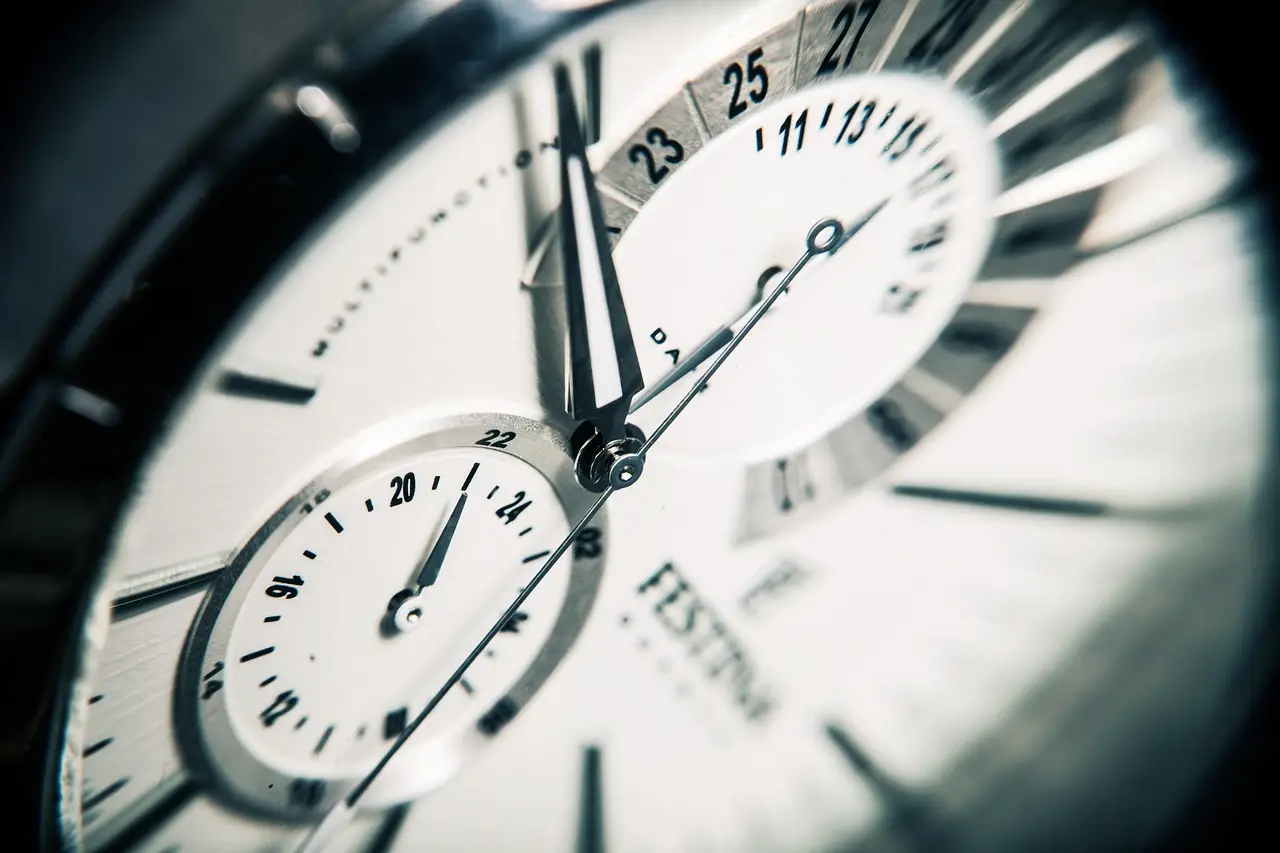
A. Lange & Söhne specifies elapsed-time accuracy within a fifth of a second. Its minute counter jumps precisely from one minute to the next, making the reading straightforward.
The perpetual calendar performs the longer task. Its mechanical programming accounts for months of different lengths and leap years, allowing A. Lange & Söhne’s watch to display the correct date, day and month for decades without intervention.
A. Lange & Söhne’s calendar specification places one exception on 1 March 2100, when the Gregorian calendar skips a leap day. At that point, the watch requires a one-day correction. The limitation belongs to the calendar rule, not a breakdown in the movement.
The Watch of the Week review explains the engineering directly: “two complications that are independent mechanisms, each with its own job to do, but integrated into a singular movement.” In practical terms, the chronograph handles day-to-day intervals, while the perpetual calendar maintains the long-term date display.
A. Lange & Söhne leaves the movement’s construction on display. Untreated German silver plates and bridges, screwed gold chatons (jewelled settings) and a hand-engraved balance cock (bridge over the balance wheel) provide the visible finish through the sapphire-crystal caseback.
A. Lange & Söhne assembles the entire calibre twice during its exacting production process. The Watch of the Week review treats the result as a modern calling card for a long-revered German watchmaker, with movements as beautiful as the finished pieces.
What does the anniversary edition change for collectors?
The practical change is scarcity and access, not a new basic function. A. Lange & Söhne has taken an established pairing of chronograph and perpetual calendar and offers it in 50 individually numbered examples with a 950 platinum bracelet. The price is available only on request.
For a collector, what changes is the route to ownership: a numbered, rare-metal edition of a watch the Watch of the Week review places among the more exclusive additions to the modern Lange catalogue. The underlying achievement remains the integration of timing and calendar work. The review also finds the usual Lange balance between market-leading technical ambition and a watch that can be worn every day.
The longer test arrives on 1 March 2100, when owners must correct the calendar by one day after the Gregorian calendar skips its leap day. Until then, the anniversary edition’s proposition is specific: a hand-wound chronograph accurate to a fifth of a second, a perpetual calendar requiring no intervention for decades, and 50 numbered examples.
Source: bosshunting.com.au
More from Grace Kim
Show full bio
Correspondent covering technology and product news in arts in the broadest sense at Arts & Voices.
1,185 articles