A Photographer's Wikipedia Page Rose, Fell, and Drew Out the Slop Merchants
Laura June Kirsch got a Google Alert in February: someone had made her a Wikipedia page. Three months later it was deleted, and a digital marketer offered to restore it.

Programme
- Laura June Kirsch learned of her Wikipedia page via a Google Alert in February.
- The anonymous author had written numerous Wikipedia pages, mostly about female artists.
- The page was deleted about three months later for containing too little information.
- A digital marketing stranger offered to restore the page; Kirsch compiled a full biography with links.
In February, photographer Laura June Kirsch received a Google Alert telling her that someone had created a Wikipedia page about her. Three months later, the page was gone — and a stranger was offering to bring it back for a price of unspecified kind.
Kirsch, the author of the 2021 book Romantic Lowlife Fantasies: Emerging Adults In The Age of Hope, recounted the episode in a first-person essay. The page appeared without her involvement and disappeared the same way.
Who wrote the page, and what did it say?
Kirsch's first call was to her mother, who responded with suspicion rather than enthusiasm and asked a fair pair of questions: was this a good thing, and who makes these pages? Kirsch then moved into what she calls detective mode. She asked a technically minded friend, met through a cyberpunk friend, whether he had created the entry.
He had not. But he traced the account that did. The author appeared to be a man who had written numerous Wikipedia pages, mostly about female artists.
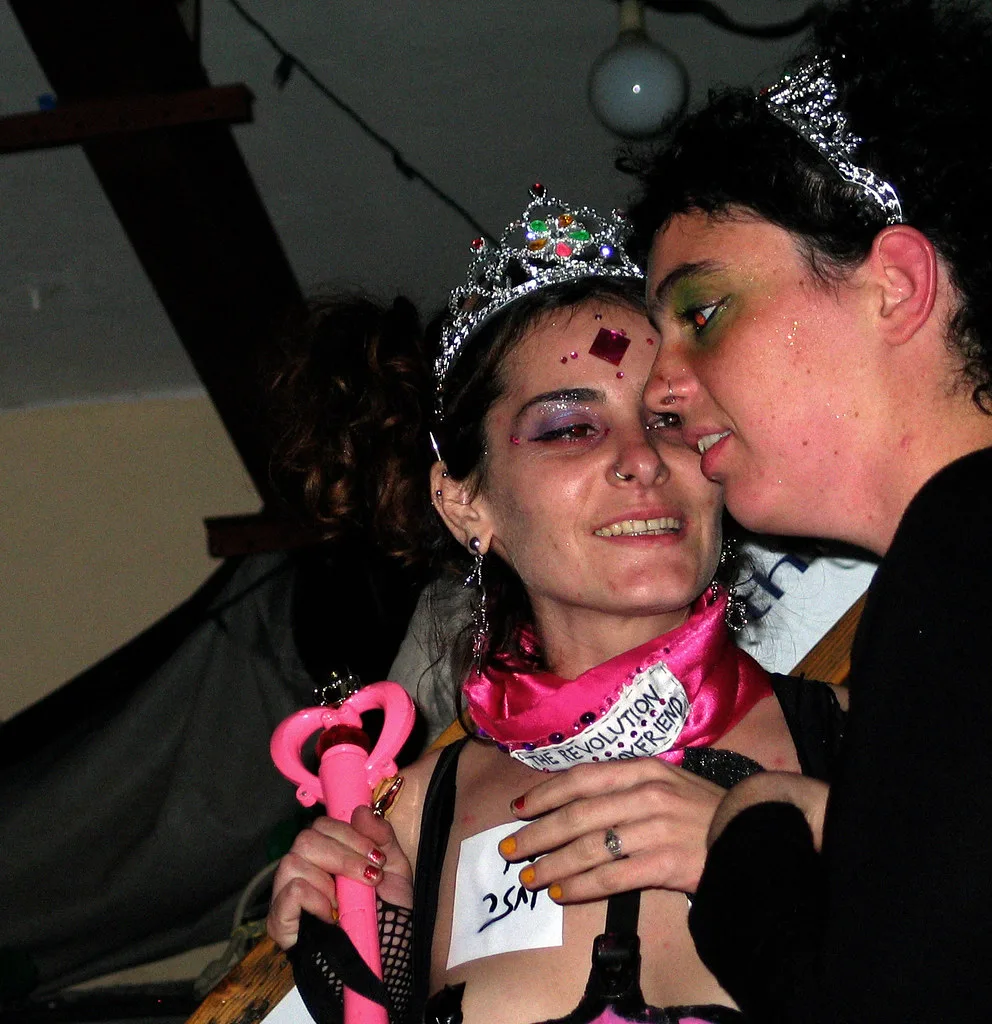
The biography he wrote for Kirsch was brief. It read: "Laura June Kirsch is an American photographer known for her work documenting music, nightlife and alternative subcultures. In 2021, she published Romantic Lowlife Fantasies: Emerging Adults In The Age of Hope."
Kirsch admitted she was flattered. "What artist doesn't appreciate getting recognition for their work?" she wrote. Yet she found the thinness of the entry curious, and she was left with practical questions: was she supposed to fill in the gaps, and how does the process work?
What happened three months later?
In May, roughly three months after the alert, Kirsch received an email from a stranger. The man runs a digital marketing company whose website, in Kirsch's words, "churns out what the kids would call 'AI slop.'"
His pitch was direct. Her Wikipedia page, he wrote, had been taken down because it contained too little information. With his help, the piece could be restored.
Kirsch said she was immediately skeptical of him and found the whole approach beyond suspect. Still, curiosity won. She compiled a robust biography and included a laundry list of links to articles about her work.
What does this change for artists with Wikipedia pages?
The episode lays bare an uncomfortable mechanism. An anonymous editor can create a sparse page about a living artist, the community can then delete that page for sparseness, and a marketing operator can surface to monetize the gap. The artist ends up doing the archival labor — or paying someone else to.
For Kirsch, the sequence began with a Google Alert and a text to her mother. It ended with a stranger selling repair services for a page she never commissioned, on a site whose reliability her mother had already questioned. As Wikipedia and AI-generated content increasingly shape how artists are found online, her account suggests that writers may want to keep their own records ready before someone else writes — or deletes — the first draft.
Original: storage.ghost.io
More from Marcus Bennett
Show full bio
Staff writer covering people, launches and day-to-day practice in arts in the broadest sense at Arts & Voices.
681 articles