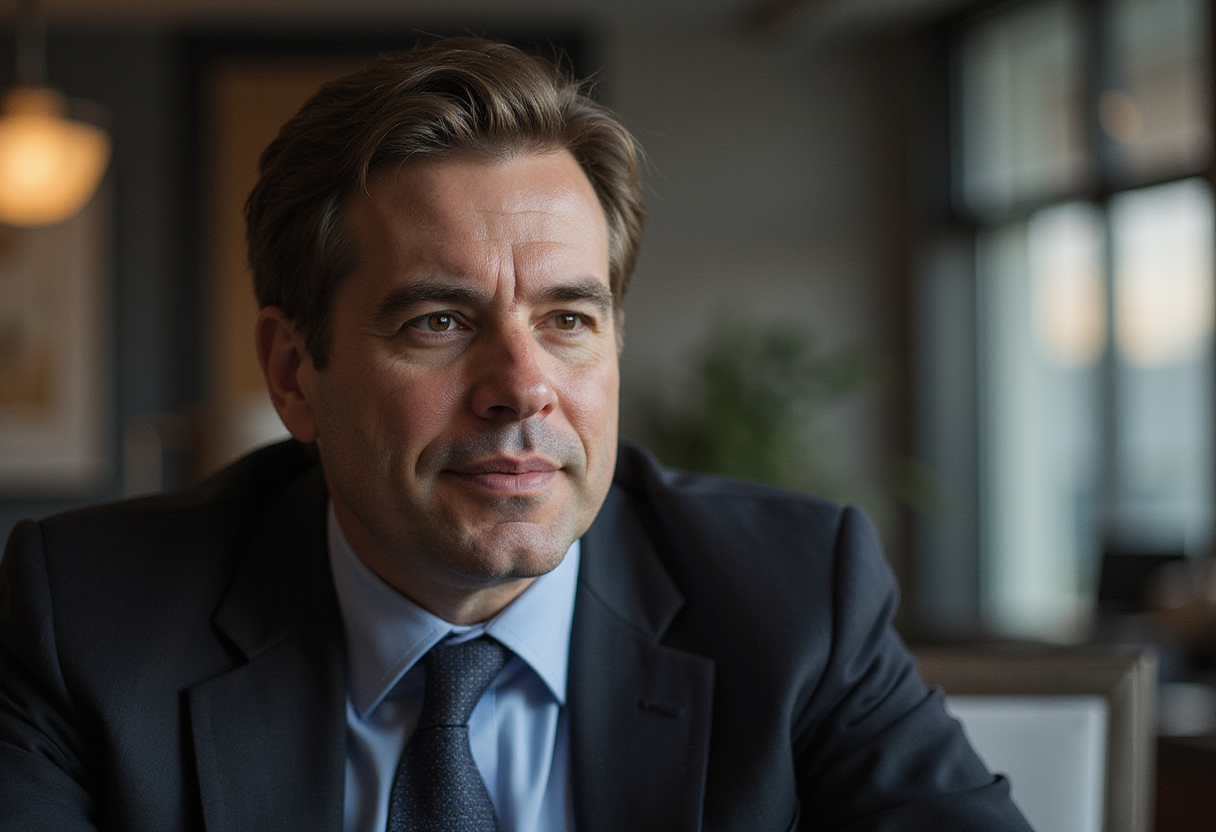
Aaron Sorkin Details How Zuckerberg Slips in 'The Social Reckoning'
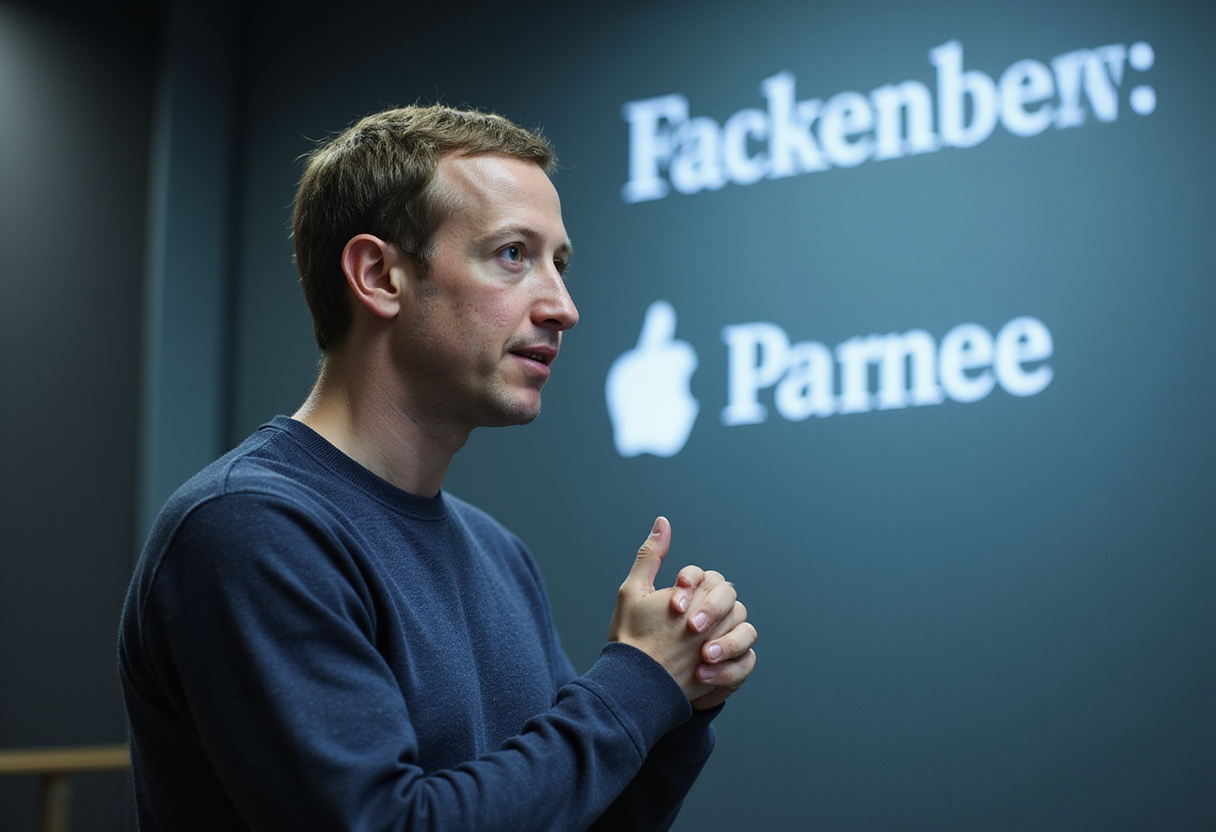
Aaron Sorkin says he rebuilt Mark Zuckerberg as a man who loses control in "The Social Reckoning," writing and directing the character's slide from mastery to exposure.
Programme
- Aaron Sorkin serves as both director and writer of "The Social Reckoning."
- Sorkin says he evolved the character of Mark Zuckerberg for the film.
- The film depicts Zuckerberg losing control.
- The title "The Social Reckoning" signals the character's shift from rise to accounting.
Aaron Sorkin says he rebuilt Mark Zuckerberg as a man who loses control in his new film, "The Social Reckoning."
The writer and director explained how he evolved the character of the Facebook founder for the project. The film's title itself signals the shift. Where the earlier story chronicled a rise, this one charts a reckoning.
Sorkin holds both credits on the film. He is the director and the writer. That dual role matters here. It gives him final authority over how Zuckerberg appears in every scene, in what the character says and in how the camera frames his unraveling.
How did Sorkin evolve the character?
The evolution Sorkin describes moves Zuckerberg from mastery to exposure. The earlier portrait showed a figure who controlled the room, the argument and the company. In "The Social Reckoning," that grip fails.
Sorkin's account places the change at the center of the writing. The character does not simply face new obstacles. He changes shape under pressure. The dramatist's task, as Sorkin presents it, was to track that transformation scene by scene.
What does this change for the audience? It reframes the Zuckerberg figure. Viewers meet a man defined not by what he built but by what he can no longer manage.
Why the title carries the argument
"The Social Reckoning" announces its thesis plainly. A reckoning implies an accounting, a moment when accumulated decisions return to their author. Sorkin has built the character evolution around that principle.
The film continues a lineage of Sorkin's work about power, institutions and the people who run them. His dialogue-driven method has long favored confrontation: rooms where characters argue their way toward revelation. Zuckerberg, as Sorkin now writes him, walks into those rooms without the upper hand.
A director in command of a character who is not
There is an irony Sorkin appears to have engineered deliberately. The filmmaker exercises total control over the portrait while the portrait itself depicts the loss of control. Sorkin directs and writes; Zuckerberg, within the story, directs nothing.
That structural contrast gives the film its shape. The man who once dictated terms now answers for them. The writer who once interrogated him from a distance now stages the interrogation directly.
Sorkin's explanation of the character's evolution will guide how critics and audiences read the performance when the film reaches them. His account makes one thing clear: this Zuckerberg is not the same figure audiences met before, and the difference is the point of the picture.
Source: NYT Arts
More from Marcus Bennett
Show full bio
Staff writer covering people, launches and day-to-day practice in arts in the broadest sense at Arts & Voices.
464 articles