After the Snowmelt: Yi-Shan Lo's Debut Retraces a Friend's Fatal Nepal Hike
Yi-Shan Lo's debut documentary After the Snowmelt retraces the 2017 Nepal snowstorm that killed her best friend Chun, in a film the Guardian calls harrowing but cathartic.
Programme
- Chun and Yueh went missing in a Nepal snowstorm in 2017 and were not found for more than 40 days.
- Chun died from lack of food coupled with hypothermia; Yueh survived.
- After the Snowmelt is Yi-Shan Lo's debut documentary feature.
- Lo stayed behind from the hike due to a sudden illness.
- The Guardian review was published on 19 October 2026.
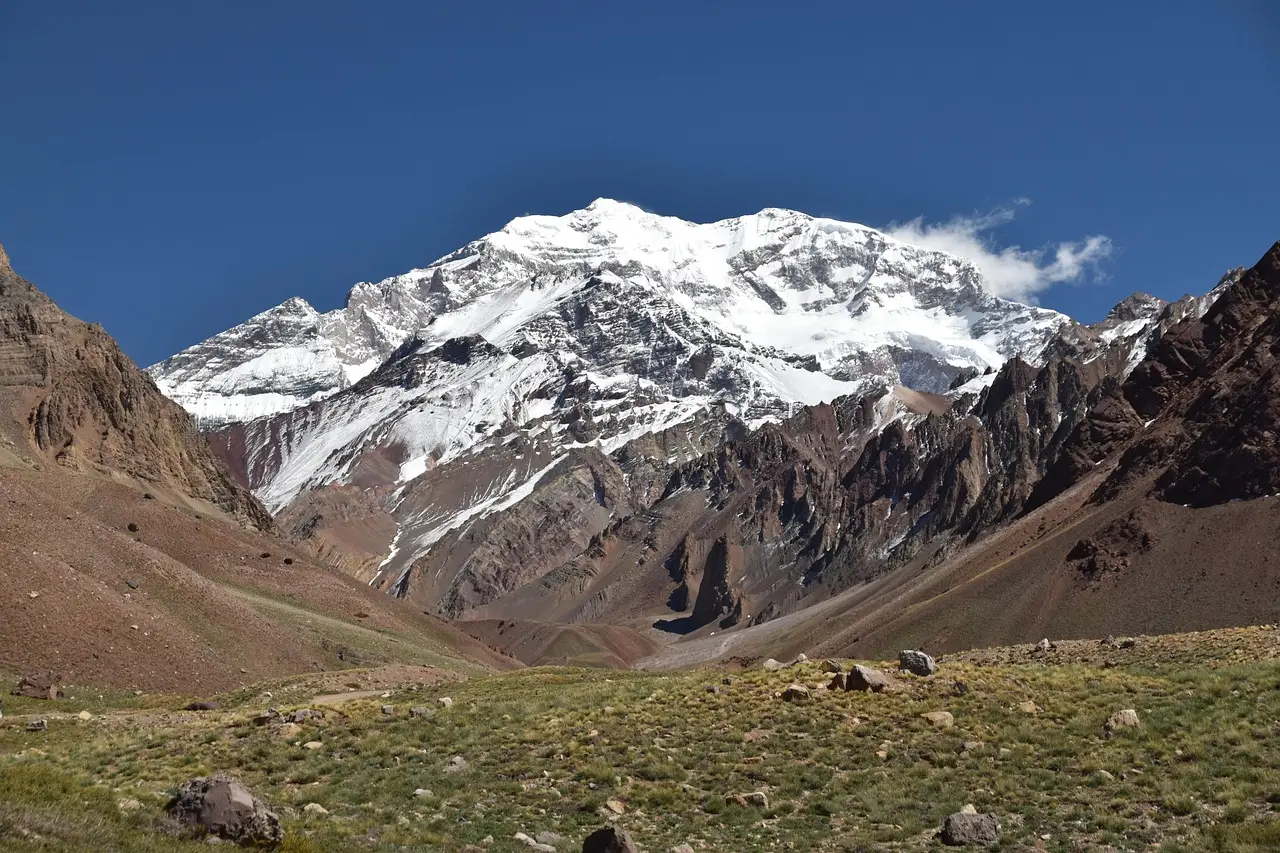
In 2017, two hikers went missing in a heavy snowstorm in Nepal and were not found for more than 40 days. That disaster sits at the centre of After the Snowmelt, the debut documentary feature by Taiwanese film-maker Yi-Shan Lo, reviewed by the Guardian. Chun died from lack of food coupled with hypothermia. Yueh survived.
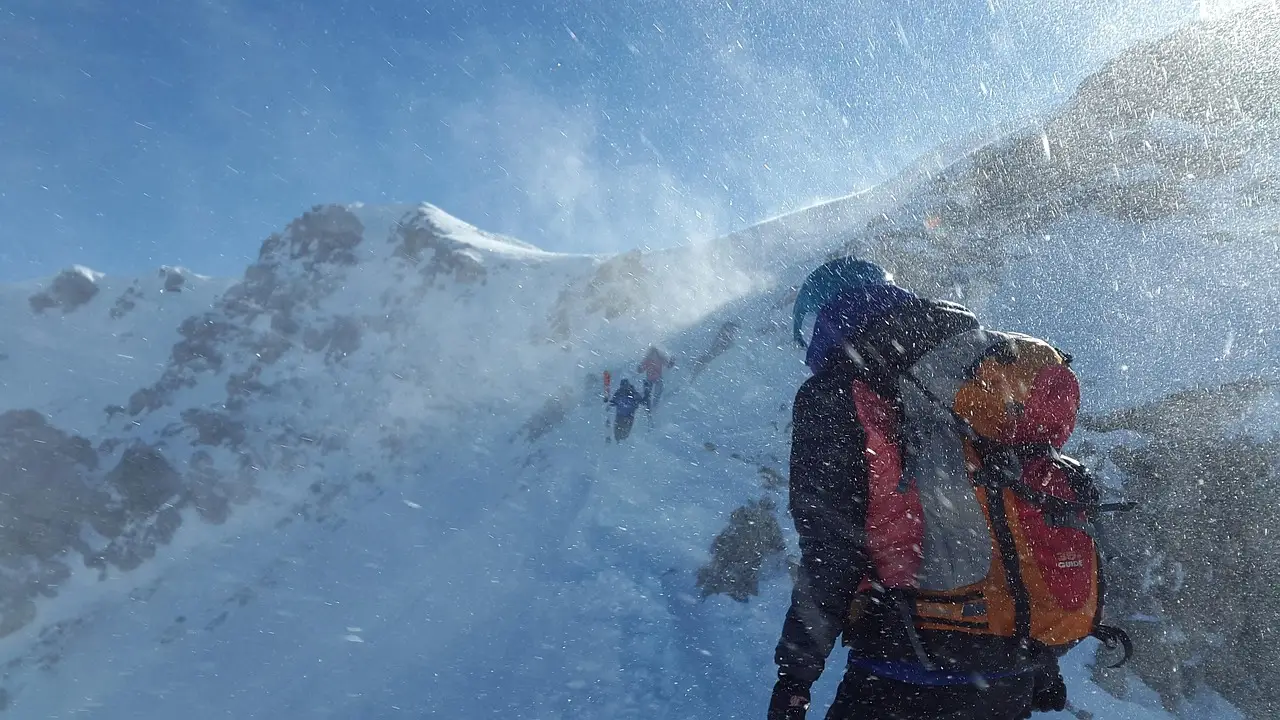
Lo came close to being on that hike herself. She was about to join her best friends Chun and Yueh on their trip across Nepal when a sudden illness struck, and she stayed behind while the other two carried on. The film opens with closeups of her own footsteps as she trudges through a snowbound landscape. Her jagged movement mirrors the rugged trajectory of the film itself, which grapples with a harrowing tragedy, according to the Guardian's review.
What does the film actually do with this grief? It works as an act of meticulous reconstruction. Struggling to make sense of the events, Lo painstakingly retraces the days leading up to and during her friends' disappearance. She pores over old text messages, Chun's diaries and footage captured by the Nepali rescue team. These materials, the review notes, shed some light on the ordeal as well as on the pair's backgrounds.
What emerges from the archive?
Diving into her personal archive, Lo recalls her burgeoning friendship with Chun at their Catholic girls' school, where Chun defiantly resisted the institution's rigid dress codes. The Guardian identifies Chun as someone who worked to express a non-conforming identity and who used male pronouns.
This detail gives the film one of its sharpest edges. Considering Chun's efforts to express his non-conforming identity and his use of male pronouns, the review states, it is even more devastating that he was repeatedly misgendered in death by various news reports.
A harrowing film, but a cathartic one
The Guardian frames After the Snowmelt as "a harrowing but cathartic documentary" — a work of deep personal reckoning rather than a conventional mountaineering investigation. The film's structure follows Lo's physical and emotional retracing, from schoolgirl memories in Taiwan to the snowbound routes of Nepal.
For documentary programming, the film signals a strand of first-person nonfiction in which the film-maker becomes both investigator and mourner. Lo's method — diaries, texts, rescue footage, revisited landscapes — turns fragmented evidence into remembrance.
The review positions the film as devastating yet ultimately cathartic, and its subject ensures it will be discussed wherever documentary ethics, trans remembrance and grief-driven filmmaking intersect.
Source: Guardian Film
More from Marcus Bennett
Show full bio
Staff writer covering people, launches and day-to-day practice in arts in the broadest sense at Arts & Voices.
617 articles