AI Val Kilmer Stars in New Western, and Experts Are Split
An AI Val Kilmer stars in Coerte Voorhees's As Deep as the Grave, estate-approved, while synthetic starlet Tilly Norwood nears her debut. Experts split on timing.

Programme
- An AI-created Val Kilmer stars in the western As Deep as the Grave, directed by Coerte Voorhees.
- The Kilmer estate approved the digital recreation, citing his enthusiasm for technology that expands storytelling.
- An extended glimpse of the film was released earlier this year; critics found the AI double rigid and voiceless.
- AI starlet Tilly Norwood is set for her feature film debut.
- Experts are split on whether mainstream adoption of AI actors is distant or imminent.
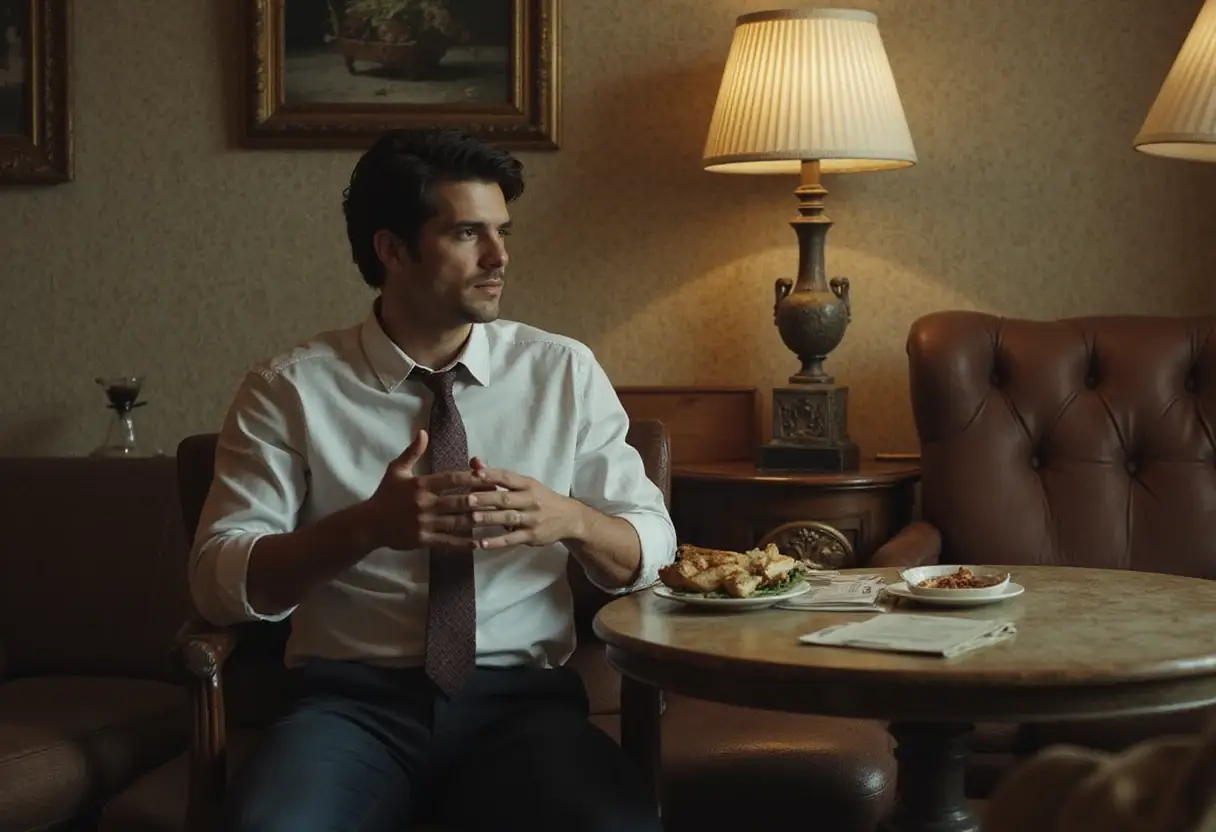
An AI-created version of the late Val Kilmer stars in the new western As Deep as the Grave, directed by Coerte Voorhees. The film's trailer shows a digital double of Kilmer as a thirtysomething man in the 1920s American wilderness, delivering the line: "Don't fear the dead – and don't fear me."
The Kilmer estate signed off on the recreation. It cited the actor's enthusiasm for new technology that expands storytelling, according to the source report.
The film arrives alongside another AI milestone. Faux starlet Tilly Norwood, an entirely synthetic screen personality, is set for her feature film debut. Together, the two projects have put a question to the industry's experts: is mainstream adoption of AI performers a long way down the line, or just around the corner? They are split.
How convincing is the digital Kilmer?
The extended glimpse of the film released earlier this year suggests the technology is not ready to replace working actors. The recreation reads as strangely rigid, more machine than man.
The double also appears to have, in the source's withering assessment, "forgotten to download his voice" — the AI Kilmer lacks both the actor's vocal signature and what the report calls his "air of spacey shrewdness." The comparison drawn is unflattering: it resembles a robot sent back to the 1920s frontier by Skynet.
The report's verdict is blunt. Kilmer, who was known for embracing new technology, would likely have been dismayed by this freaky doppelganger.
What does the family's approval mean?
The estate's cooperation sets a precedent for posthumous AI performances. Relatives approved the recreation on the grounds that Kilmer backed technological experimentation in storytelling.
That approval did not quiet the controversy. The report notes the project has brought with it a heap of debate about whether such technology could make flesh-and-blood actors redundant.
The evidence so far points one way. A performance that cannot reproduce a voice, a physical ease, or a recognizable screen presence is not yet a rival to the living performer it imitates.
Why Tilly Norwood matters
Norwood's case differs from Kilmer's. She is not a digital resurrection of a real star but a fabricated one — an AI construct with no human original, now moving from promotional novelty to a feature-film lead.
Her debut will test whether audiences accept a synthetic performer with no prior flesh-and-blood identity attached. The Kilmer experiment tests whether they accept a synthetic version of someone they remember.
What comes next?
The experts quoted in the source remain divided on timing, with some placing mainstream adoption far off and others seeing it imminent. What is settled, for now, is the quality gap. Two high-profile releases — one resurrecting a named star with family approval, one launching an invented starlet — have moved AI performance from speculation to scheduled release dates. The industry's answer to redundancy fears will arrive on screen, one rigid doppelganger at a time.
By Elena Vasquez
Original: youtube.com
More from Elena Vasquez
Show full bio
Senior reporter covering technology and product news in arts in the broadest sense at Arts & Voices.
667 articles