“Altadena: One Fire After Another” documentary enters post-production
Bill McKibben and David Gelber’s Altadena documentary moves beyond the Eaton Fire to examine residents’ rebuilding, climate policy and the long work of recovery.
Programme
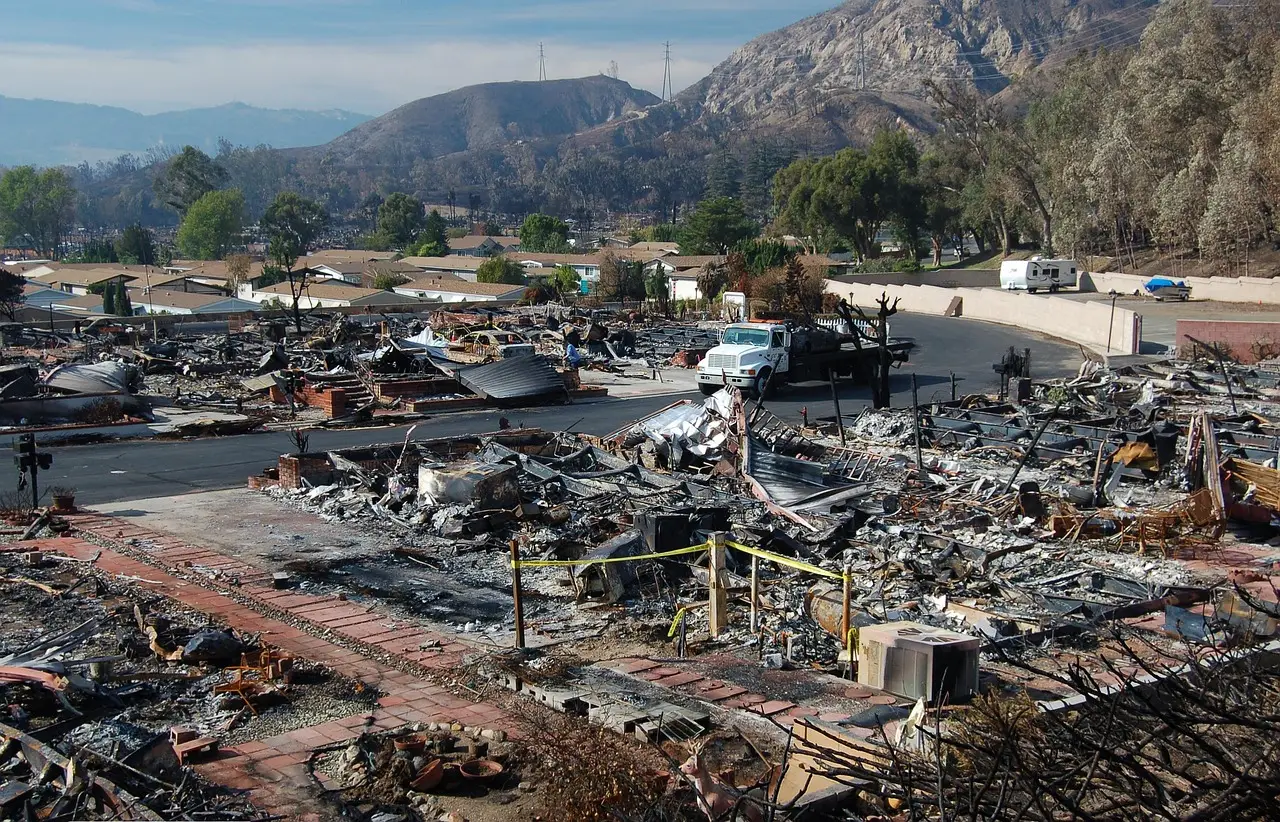
- The documentary covers the aftermath of the 2025 Eaton Fire in Los Angeles.
- It picks up Altadena’s story more than a year after the fire.
- Bill McKibben and David Gelber created the project.
- Jonathan Scheinberg produces and directs; Vanessa Gould produces and edits.
- The film remains in post-production while the team evaluates distribution opportunities.
By Tom Whitfield
“Altadena: One Fire After Another” is in post-production more than a year after the 2025 Eaton Fire in Los Angeles, and the production team is evaluating distribution opportunities.
According to the production announcement, climate journalist Bill McKibben and executive producer David Gelber, a former “60 Minutes” producer, teamed up to create the documentary. It follows Altadena residents as they rebuild their homes, preserve their community and navigate the long road to recovery.
The filmmakers say the project moves past the night the fire erupted, when much of the initial coverage focused, and picks up the story more than a year later. That is the film’s clearest proposition: the destruction has happened, but the civic consequences continue. The announcement gives no release date, platform or distributor.
“The fire was only the beginning of the story,” Gelber said in a statement.
Gelber added in the statement:
“We wanted to understand what happens after the television cameras leave, when families are left to rebuild not only their homes but also their lives and sense of community. Altadena’s story is deeply personal, but it’s also a window into questions communities across the country are increasingly facing.”
The filmmakers say the documentary combines residents’ personal stories with conversations with professionals on climate, economics and public policy. The announcement does not identify those residents or professionals, so the range and balance of the interviews remain untested until the film becomes available.
“We’ve become accustomed to covering disasters as breaking news. What’s far less visible is what comes next. This film is about the months and years after a catastrophe, when the real consequences begin to unfold,” McKibben said in a statement.
McKibben added in the statement:
“I hope people take away from the documentary the fact that this is not a random tragedy in any way; rather, it’s caused by a particular set of players doing a particular thing.”
That claim raises the documentary’s largest unanswered issue. McKibben does not identify the “particular set of players” in the announcement.
The production team also does not disclose funding, budget, a production timeline, how much access residents had or whether they had a formal say in the edit. Those omissions matter if the film intends to connect a local rebuilding story to causes and public choices.
The production credits name Jonathan Scheinberg as producer and director and Vanessa Gould as producer and editor. The documentary team’s credits include “60 Minutes,” “Years of Living Dangerously,” ABC News, CBS News, HBO, CNN, The New York Times and National Geographic.
The announcement names no outlet involvement in this documentary and no account of how the team’s news experience shaped its access to Altadena.
What does this change for disaster coverage?
The project shifts the focus from the night of the fire to months and years of rebuilding, keeping a community intact and confronting climate, economics and public policy. For viewers, the change is substantial: recovery becomes the subject rather than the fire remaining a breaking-news event.
Its usefulness will depend on the interviews and personal accounts that the announcement has not yet identified, and on whether the team secures distribution.
The next test is whether the completed film names the forces McKibben describes and secures distribution that keeps Altadena’s prolonged recovery, not the fire’s peak, at the center.
Source: Variety Film
More from Tom Whitfield
Show full bio
Market editor covering people, launches and day-to-day practice in arts in the broadest sense at Arts & Voices.
929 articles