Programme
- Five named instrumentalists performed with Amanda Forsythe at Berkeley’s First Congregational Church.
- Two featured works came from women composers: Isabella Leonarda’s “Sonata Terza” and Maria Margherita Grimani’s “Sol fia pago.”
- Virgilio Mazzocchi, who composed “Sdegno campion audace,” lived from 1597 to 1640.
- The two closing works were Luigi Rossi’s “La Gelosia” and Antonio Vivaldi’s “La Follia.”
- Forsythe stopped during “La Gelosia” and said: “This has never happened before!” after her throat dried.
By Elena Vasquez
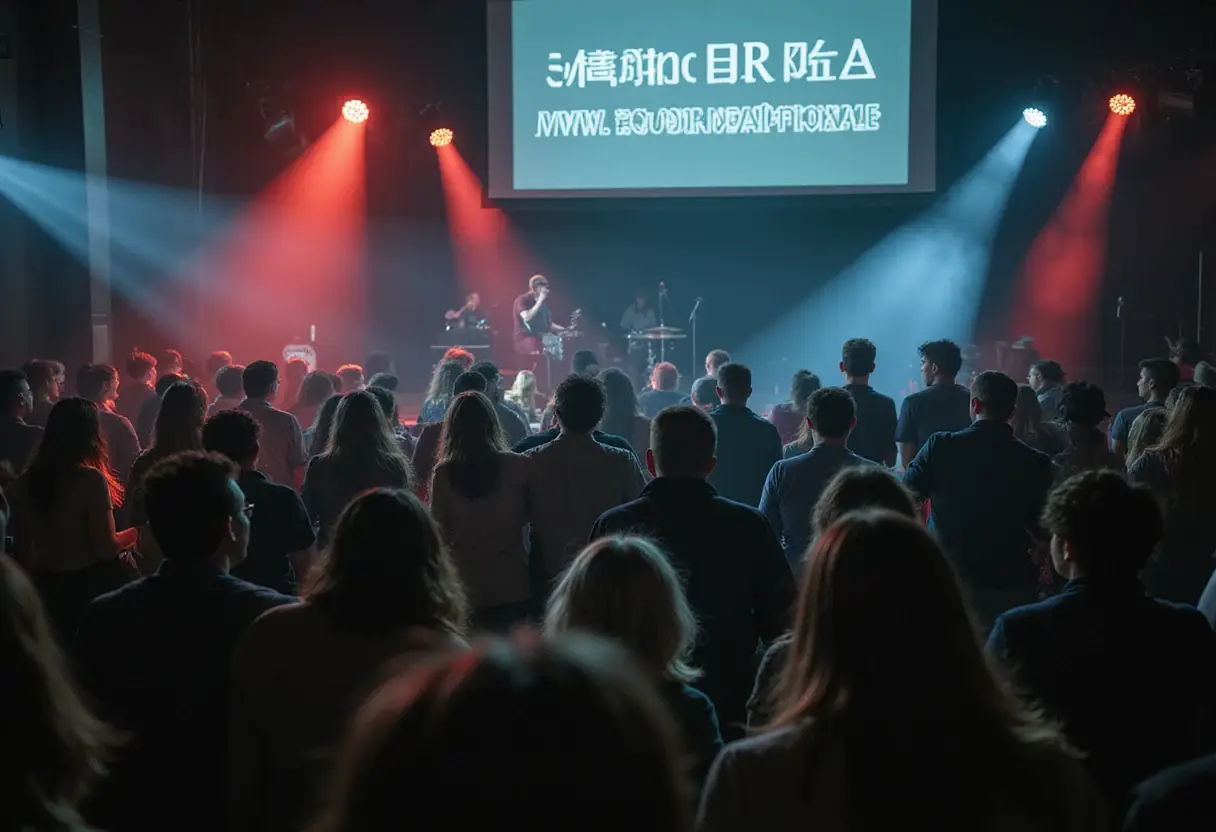
Five named instrumentalists joined Grammy-winning opera singer Amanda Forsythe for an Italian Baroque concert at Berkeley’s First Congregational Church. I heard a living repertory, not a historical exhibit, in the “La Bella piu Bella” program. Sunday’s searingly silver full moon offered an apt image for the occasion. The music supplied the stronger charge.
What did the ensemble make of old instruments?
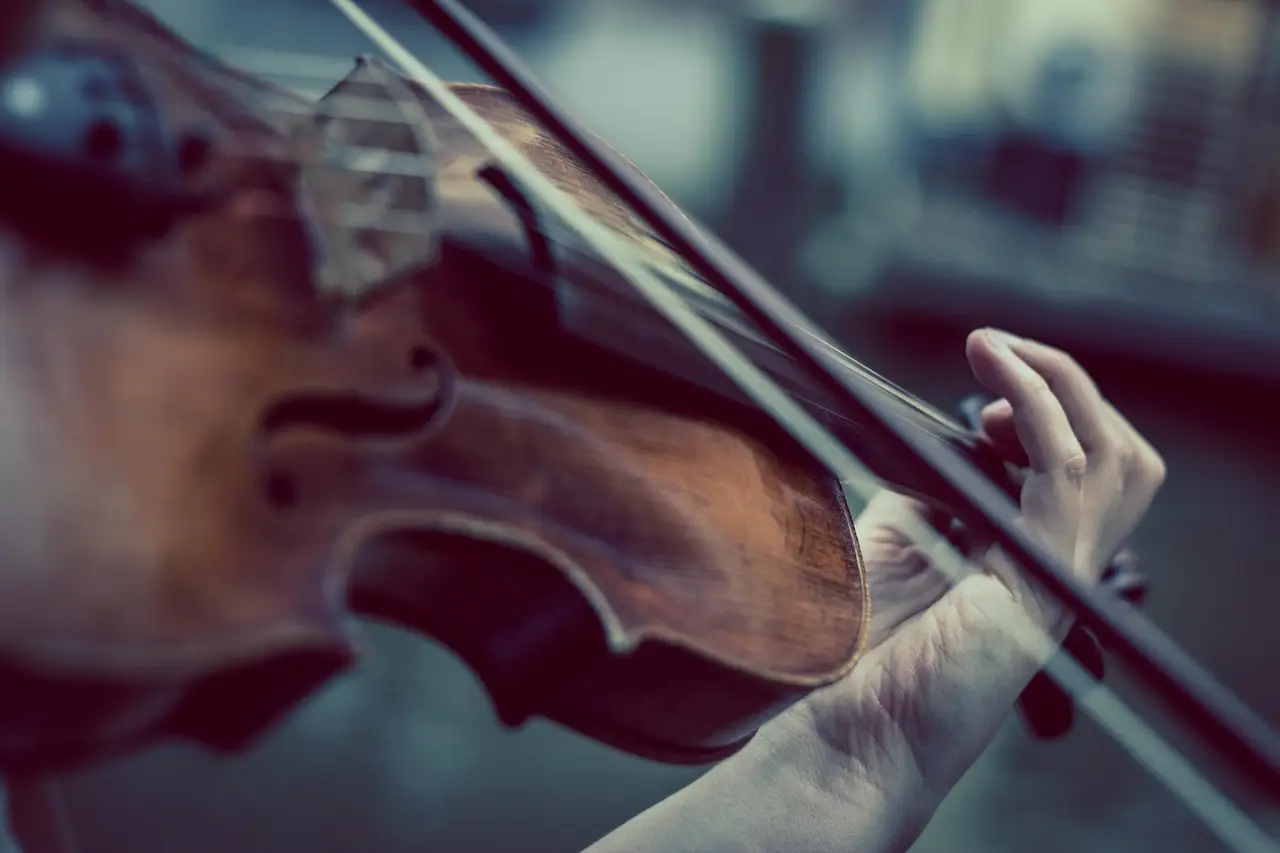
Voices of Music did not treat early music as a time capsule; the ensemble brought antique instruments into the present through bodily energy, close attention to sonority, and an insistently contemporary sense of risk. Their powerfully embodied playing, exuberant presence and nuanced interpretations made antique sounds and techniques feel unmistakably present. The ensemble exposed instrumental limits as vivid detail, like the highlighted textures and shapes of a black-and-white film. The sound felt dark and shimmering, intensely enveloping without becoming very loud.
- Shelby Yamin and Alana Youssefian Ruocco, the baroque violinists, smiled through scampering parallel runs.
- Eva Lymenstull on baroque cello often supplied the voice of reason, then answered slyly to the melody’s whims.
- Co-director David Tayler strummed chords and arpeggio patterns on archlute and baroque guitar, sometimes recalling indie rock.
- Co-director Hanneke van Proosdij illuminated the harpsichord’s grace and fury. She also played organ and recorder.
Takeaway: The instruments created drive and contrast, not nostalgia.
What did Forsythe do with the soprano voice?
The program credited Italian Baroque courts with the “discovery” of the soprano voice. Forsythe made that historical claim feel revelatory. Each song operated like a newly demonstrated vocal technology, with Forsythe’s body continually pushing, suspending, redirecting and animating the line from first breath to final resonance.
She flung a feather through the air, laughed inside a never-ending melisma, then pierced downward and skipped across the surface. At moments, she seemed to pull the sound back into her mouth, swishing the resonance around as if tasting wine. She also acknowledged, through gesture and expression, the absurdity of notes that kept pouring out.
During intermission, an audience member told me: “Isn’t she a bit diabolical? Like in a good way? Like she has some secret that we all want to know, but she’ll never tell us.”
Takeaway: Forsythe turned ornament into personality, not empty display.
Which works shaped the concert?
“Sdegno campion audace,” by Virgilio Mazzocchi (1597–1640), fully ignited Forsythe’s performance. Her intricate vocal runs matched a generous stage presence. She supplied the drama of an opera heroine, then scaled it precisely to the recital room.
The next two pieces were thrilling, unusual and composed by women, giving the evening a sharper historical corrective than a conventional Baroque showcase could provide.
- “Sonata Terza,” by Isabella Leonarda, paired instruments in melodic duets. The players traded lines like rotating dance partners, moving between tight parallel harmonies and contrapuntal friction. Still, gravelly drones and frothy tempos shifted beneath the exchanges.
- “Sol fia pago,” an aria by Maria Margherita Grimani, was slow and mysterious. Forsythe’s crystalline line conveyed a yearning to communicate and to cut through solitude and darkness.
Takeaway: The sequence moved from vocal drama through contrapuntal play to inward reflection.
How did Rossi and Vivaldi deliver?
“La Gelosia” by Luigi Rossi, the penultimate work, concerns a desperate attempt to banish jealousy and gave Forsythe room to stretch her silky midrange through a rapid range of vocal styles. Near the end, she stopped and declared: “This has never happened before!” Her throat had dried. After a few seconds and some cheering, Forsythe and the ensemble returned immediately to Rossi’s world. Her break in character strengthened the illusion.
Antonio Vivaldi’s “La Follia” provided the unequivocal climax. It drew on a Spanish or Portuguese tune that became a popular subject for variations during the Baroque and beyond. I heard an addictive dance hit distilled to its purest, fiercest elements.
Propulsive bass lines, gripping minor chords, prickling waltz steps, frenzied arpeggios and soaring suspensions and releases made seduction feel like a sonic thesis.
Takeaway: Rossi humanized concentration; Vivaldi turned variation into physical impact.
Can the recital reach more listeners?
At the height of the performance, I considered myself the privileged recipient of a rare gift. I wished more people could have been there. Voices of Music already convenes a large online audience, yet the promotional materials failed to reflect the richness of this offering for listeners encountering the group for the first time.
For an ensemble committed to access and education, that humility may foreclose connections with a wider range of listeners.
Takeaway: Future promotion should show the range, intensity and personality the review found at First Congregational Church.
Source: sfcv.org
More from Elena Vasquez
Show full bio
Senior reporter covering technology and product news in arts in the broadest sense at Arts & Voices.
1,177 articles