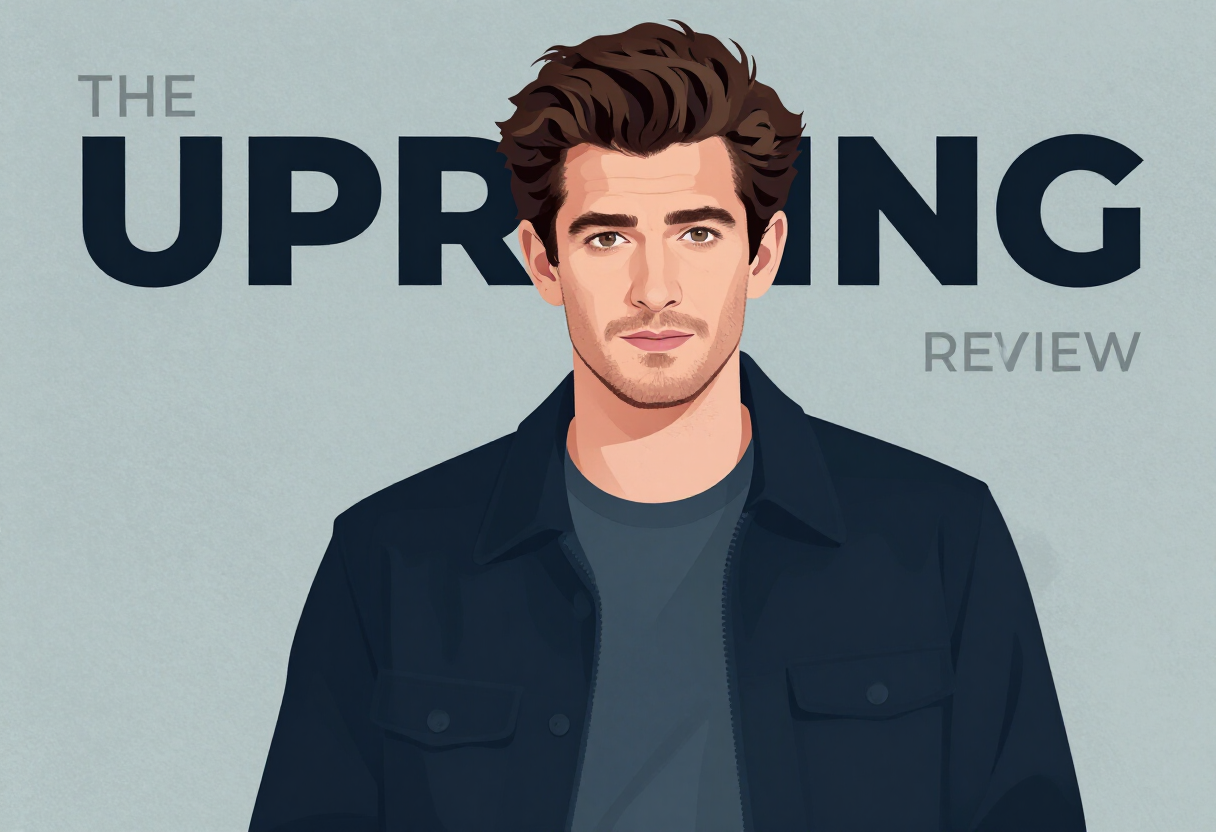
Andrew Garfield ploughs into 1381: Paul Greengrass's Uprising reviewed
Andrew Garfield plays a fictional ploughman in Paul Greengrass's The Uprising, a docudrama about the 1381 Peasants' Revolt recast as a Robin Hood origin myth.
Programme
- Paul Greengrass's The Uprising dramatises the 1381 Peasants' Revolt against Richard II's poll tax.
- Andrew Garfield plays a fictional ploughman alongside Cosmo Jarvis's Wat Tyler and Jamie Bell's John Ball.
- The Guardian review says the film imagines the revolt as an origin myth for Robin Hood.
- The Guardian's critic compares it to Greengrass's 2006 film United 93.
Andrew Garfield plays a fictional ploughman who joins the real heroes of the 1381 Peasants' Revolt in Paul Greengrass's new film The Uprising — a dirt-caked, docudrama-style epic that, according to the Guardian's review, imagines the uprising as "an origin myth for Robin Hood".
The film is notionally about the 1381 insurrection in which Wat Tyler and John Ball became legendary for leading a revolt against the poll tax imposed under Richard II. Greengrass shoots it in his signature handheld, docu-reportage style.
What does the film actually depict?
The review notes a disconcerting wrinkle: the movie, "in a disconcertingly silly way", recasts the revolt as a Robin Hood origin story — or at least the story of someone "who's supposed to be more or less Robin Hood", because that is not what he is called and the dates do not quite match up.
The historical leaders are present:
- Wat Tyler, the ex-soldier, played by Cosmo Jarvis
- John Ball, the radical preacher, played by Jamie Bell
Both are described as "capably played". They are joined by Garfield's fictional third hero, a ploughman known simply as "Ploughman", whom the review suggests is destined later to canter through the forest with a wealth-redistribution plan.
Who is Garfield's Ploughman?
Garfield's character grieves the loss of his wife and children to the plague and is sickened by the tax collectors' greed and brutality. He instigates an insurrection that soon merges with other outbreaks of revolutionary rage across England.
The result, per the review, involves "rivers of smudgy-faced folk in rough clothes descending on the capital from all directions" to demand concessions from the king — a ruler to whom they remain loyal and whom they believe has been misled by his advisers.
How does it compare to Greengrass's earlier work?
The Guardian's critic argues that Greengrass has, in effect, already made his uprising film: United 93, the 2006 masterpiece about the passengers aboard United Airlines flight 93 who rose up against the 9/11 hijackers and prevented them from reaching their target — though not without fatalities among those onboard.
That comparison frames the critical question hanging over The Uprising: whether the docu-reportage method that made United 93 so gripping can carry a medieval revolt filtered through legend. The review's verdict — silliness included — suggests audiences will have to weigh the film's historical muscle against its mythmaking.
Original: youtube.com
More from Daniel Okafor
Show full bio
News editor covering consumer brands and retail at Arts & Voices.
347 articles