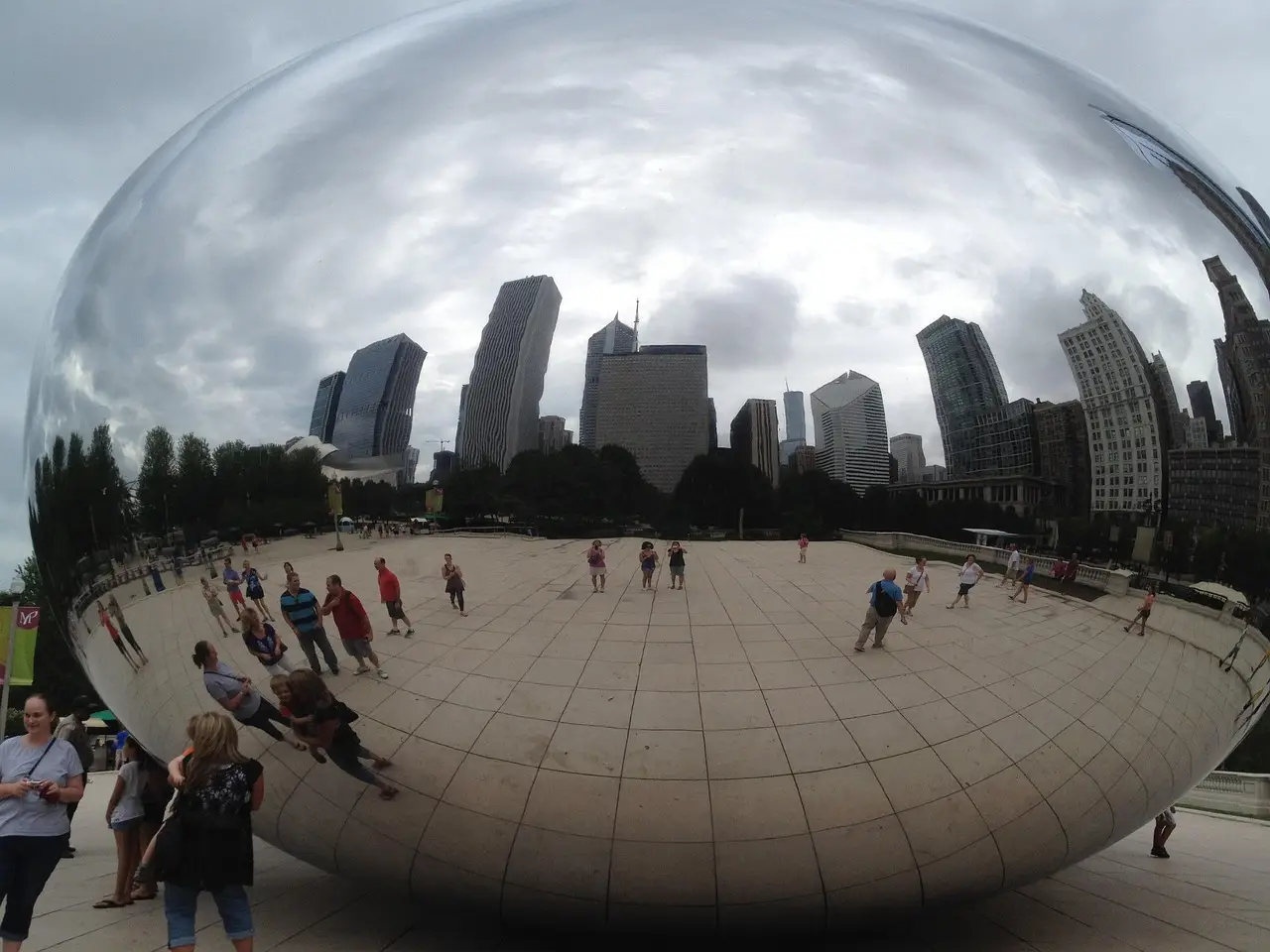
Anish Kapoor’s 110-Ton Bean Defies 250 Would-Be Movers
About 250 people failed to shift Anish Kapoor’s 110-ton “Bean” by seven inches. McClelland Gallery faces an AU$750,000 gap, while Alex Katz turns 100 and artists face another survey.
Programme
- About 250 people tried to move the 110-ton Cloud Gate seven inches on Sunday; it stayed put.
- McClelland Sculpture Park and Gallery faces an AU$750,000 (about $517,000) shortfall while drawing 60,000 visitors annually.
- Alex Katz, 99, has a joint exhibition with Henri Matisse in Nice through January 18; MoMA acquired Black Roses 11 (2025).
- The first Artists Speak survey drew 1,200-plus responses; 63 percent cited lacking museum backing, and only a quarter felt treated equitably.
- The second Anonymous Was a Woman survey closes January 3, with its next report due in fall 2027.
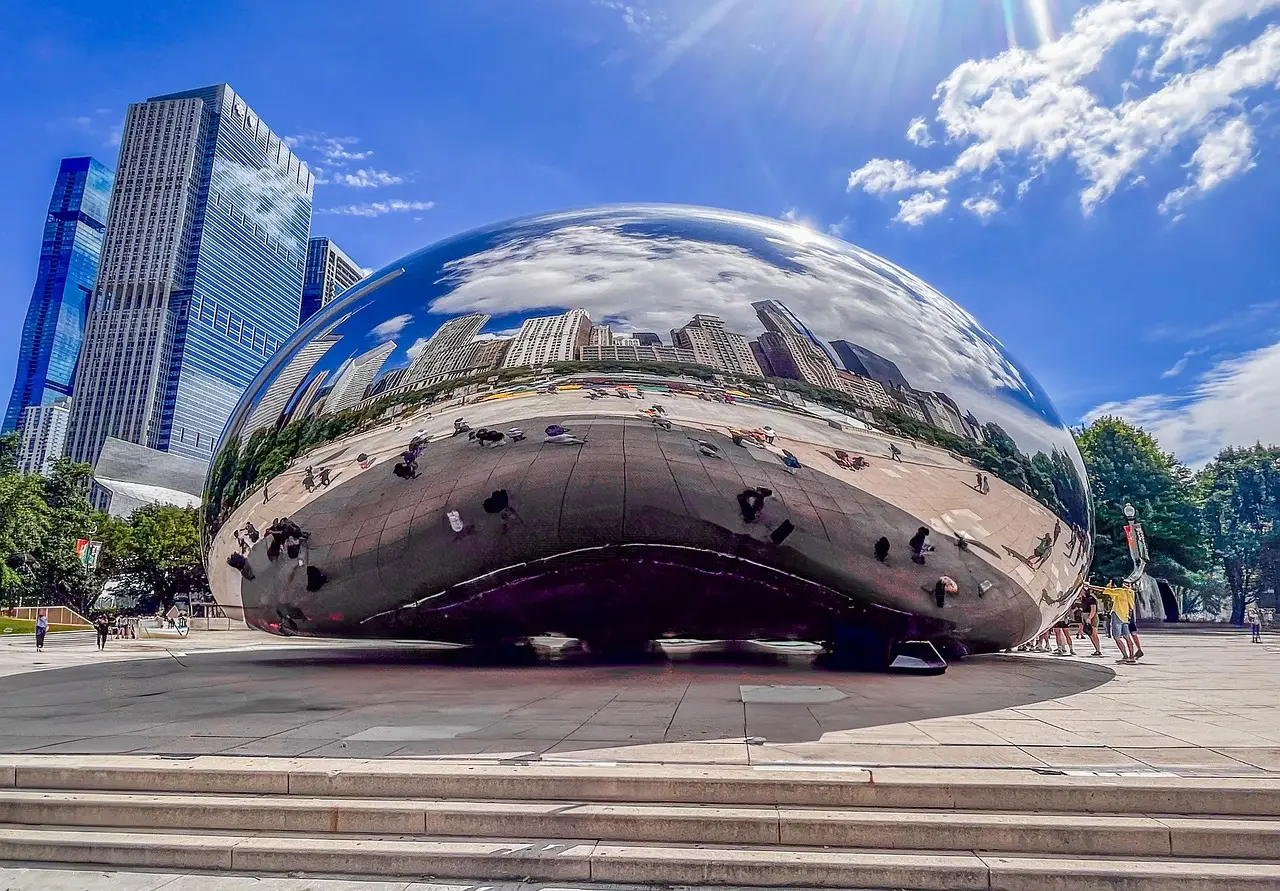
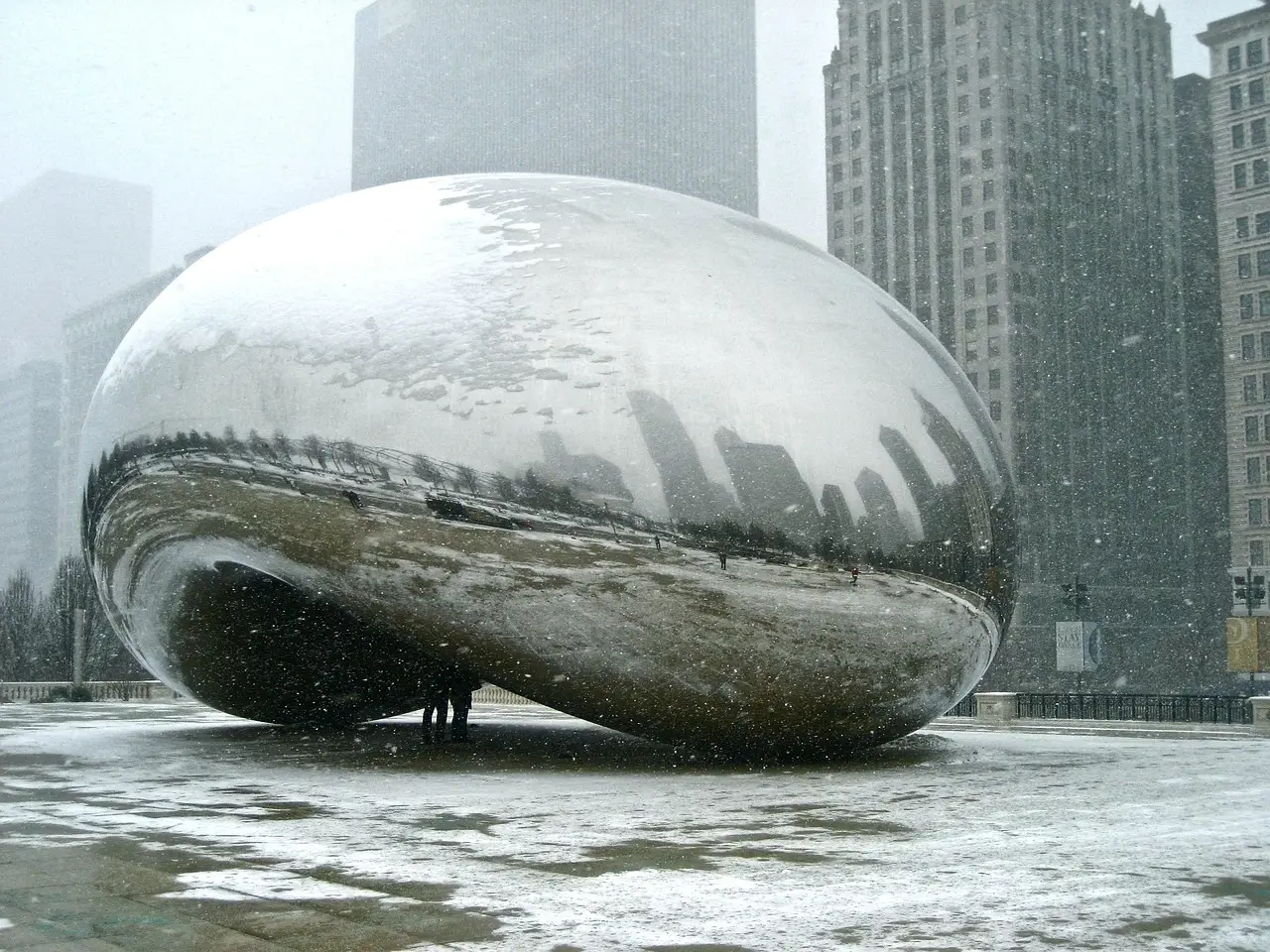
About 250 people tried and failed to move Anish Kapoor’s 110-ton steel Cloud Gate, better known as “The Bean,” exactly seven inches left in Millennium Park on Sunday, according to Block Club Chicago.
Why did the Bean stay put?
The viral flyer specified 12:47 p.m. It proposed a hidden latch door to free a man supposedly trapped inside the 2006 sculpture. Beyond that rescue fantasy, it offered no stated pretext.
Artnet Bulletin described the scheme as another iteration of a long-running hoax maintained by an online group. Since last summer, the group has flooded local officials’ phone lines with calls about the alleged prisoner.
Chicago alderman Brendan Reilly said no one was trapped. He joked that the man was actually “freed years ago.”
Reilly’s office did not respond to a request for comment, and Kapoor’s studio did not respond either.
By the arithmetic of weight, seven inches is a small journey for 110 tons of steel; by the logic of the flyer, it was a rescue.
Can McClelland avoid closure?
According to Artnet Bulletin, McClelland Sculpture Park and Gallery, just outside Melbourne, may face closure because of an AU$750,000 (about $517,000) shortfall despite 60,000 annual visitors.
The institution opened in 1971. Gregor Kregar’s 30-foot Reflective Lullaby, a reflective sculpture better known as the “Chrome Gnome,” is one of its highlights.
At 30 feet, it stands roughly as tall as a three-storey building.
Director Lisa Byrne told the Sydney Morning Herald that budget cuts have already forced sales from the collection. She is reluctant to charge entry fees because locals also face “financial stress.”
The gallery is lobbying the local government for more funding.
What does Alex Katz fear at 99?
Alex Katz was 99 when he told The New York Times that he still gets nervous. Artnet Bulletin describes him as one of the most distinguished American painters of his era.
In the same interview, Katz said he worried his work would not “hold up” to Henri Matisse. Artnet Bulletin reports that their joint exhibition at the Matisse Museum in Nice runs through January 18.
Katz said: “There is no one who touches it for me like Matisse, because of the ease with which he painted.”
Katz said he “didn’t have any natural talent for painting.” He simply kept at it until he “got it.”
Artnet Bulletin reported MoMA’s recent acquisition of Black Roses 11 (2025), which Katz called a “high point” in his life.
Next year’s Musée d’Art Moderne retrospective will present Katz’s large-scale paintings in Paris, marking his 100th birthday and following MoMA’s purchase of Black Roses 11.
Has equity improved for women artists?
Anonymous Was a Woman has opened a second Artists Speak survey to ask what has changed for women, trans, and nonbinary artists. The second edition follows the first by two years.
The first edition drew more than 1,200 responses. 63 percent said a lack of museum backing hindered their careers. Only a quarter said they felt treated equitably in the art world.
The second survey, again produced with SMU DataArts and journalist Charlotte Burns, adds questions about artificial intelligence (A.I.), policy, and funding. It remains open through January 3.
Anonymous Was a Woman says the next report will arrive in fall 2027, offering a dated measure of whether museum backing, equitable treatment, and funding have improved.
Who keeps an artist’s legacy alive?
Tomorrow at Gillian Jason Gallery in London, Margaret Carrigan will host a panel on sustaining an artist’s legacy after death. The event accompanies the gallery’s retrospective of Berenice Sydney, the British painter, performance artist, and costume designer.
The panel treats legacy as a working problem: rebuilding markets, keeping archives alive, and assigning galleries and institutions a clear role after an artist’s death.
It asks how to rebuild a market for artists who succeeded during their lifetimes but were quickly overlooked by the art-historical canon and the market. RSVPs are available.
The Bulletin’s next edition will feature Ben Davis’s rundown of the news.
McClelland’s funding appeal remains unresolved. Gillian Jason Gallery’s panel starts tomorrow. The survey’s broader verdict waits until fall 2027.
Source: news.artnet.com
More from Daniel Okafor
Show full bio
News editor covering companies, deals and strategy in arts in the broadest sense at Arts & Voices.
1,148 articles