Arab Women Directors Put Distribution and Funding on Trial in Cairo
At the 47th Cairo International Film Festival, Arab women directors said festival visibility has outrun their access to funding, distribution and creative freedom.
Programme
- The discussion took place at the 47th Cairo International Film Festival.
- Amal Ramsis founded the Between Women Filmmakers' Caravan in 2008.
- Khouloud Sa'd said self-financed projects can take five or six years to complete.
- Laila Abbas said regional filmmakers rely on only three or four funds.
- Abbas's debut feature is 'Thank You for Banking With Us!'
By Elena Vasquez
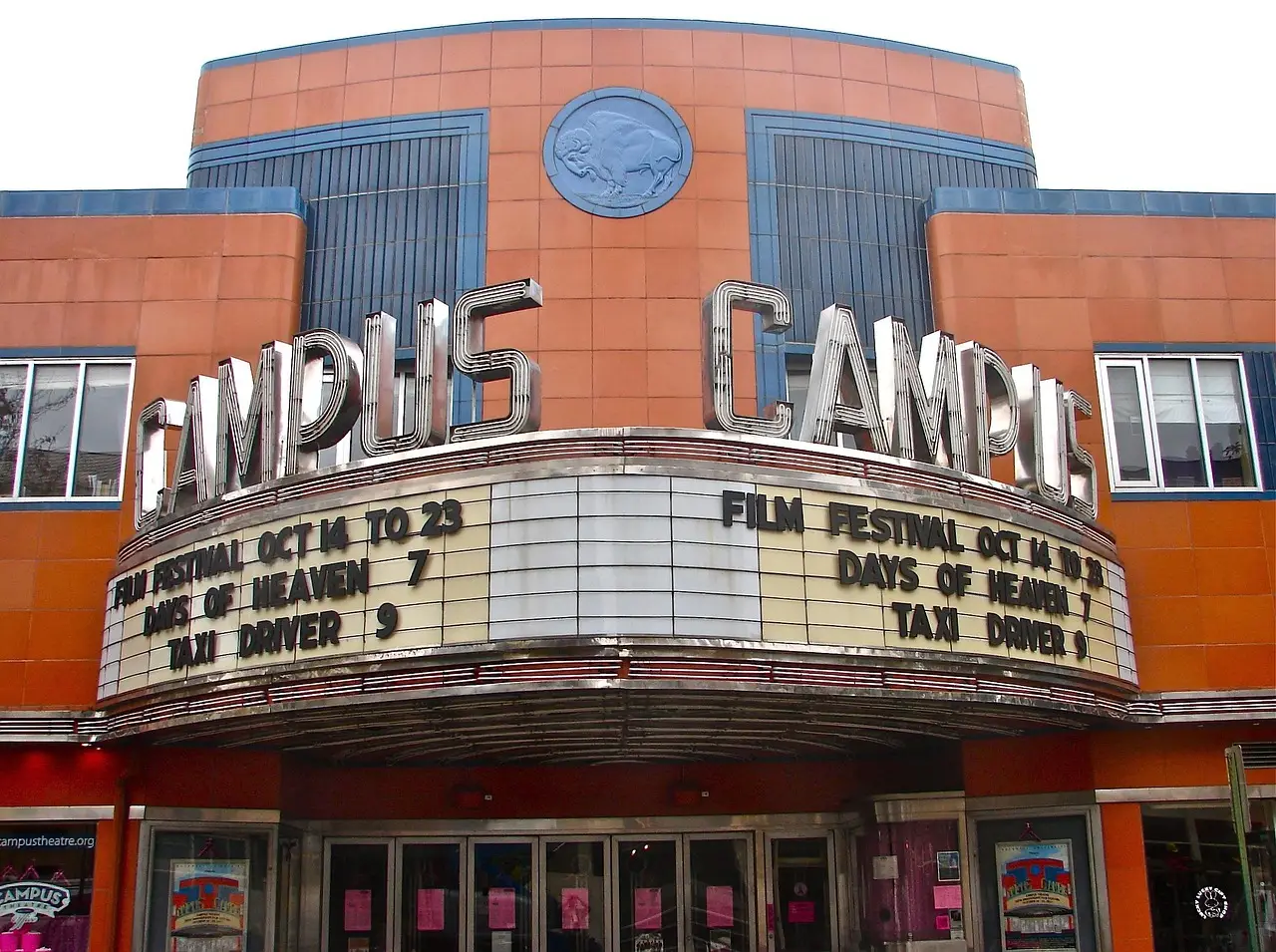
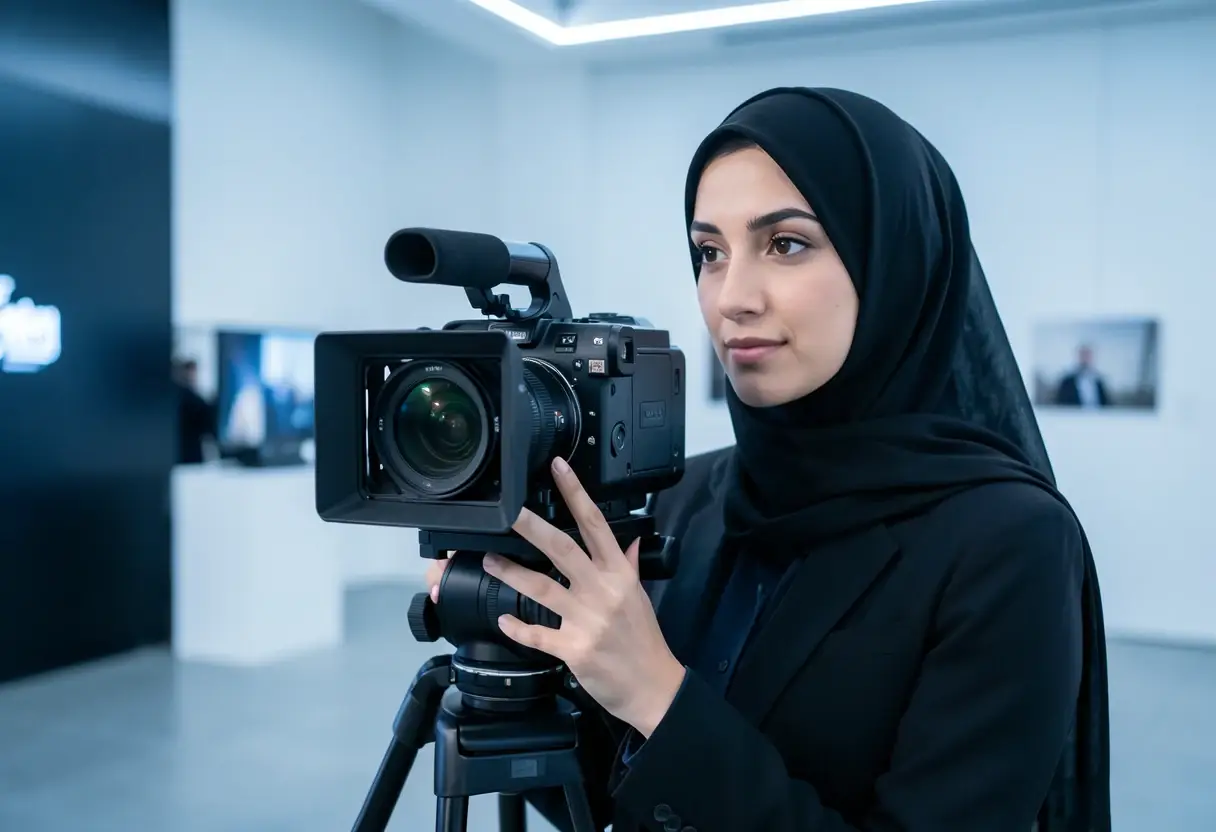
Arab women filmmakers told the 47th Cairo International Film Festival that festival recognition has outpaced their access to money and audiences. Palestinian director Laila Abbas, Egyptian producer Khouloud Sa'd and Egyptian filmmaker Amal Ramsis framed the discussion around structures, not representation.
"As Arab women filmmakers, we exist," Ramsis told Variety. "But which kind of stories can we tell? What freedom do we have to tell our own stories?"
What did the panel actually say?
Ramsis rejected the idea that success should be measured by acceptance at major European festivals. "We don't lack films from women directors in the international festivals. We are there," she said. The real constraint, she argued, is creative: financiers still expect Arab women to tell particular stories.
"As an Arab woman filmmaker, you should talk about women as victims, you should talk about the veil," she said. "Maybe sometimes that's not the way we want to talk about our issues."
Abbas, whose debut feature "Thank You for Banking With Us!" tackles gender discrimination in inheritance laws through humor, described similar pressure when pitching financiers. "Sometimes we think that the Europeans want to see a certain type of film coming from the Middle East," she said. "If you're outside of trauma, war, conflict, then they would not be very interested."
The picture cuts both ways. Abbas noted that films dealing with politically sensitive subjects can also scare off backers, leaving filmmakers squeezed between competing expectations.
She also pushed back against the assumption that Arab women face identical barriers worldwide. She pointed to the prominence of female directors in Palestinian cinema, including Cherien Dabis, director of "All That's Left of You," and Annemarie Jacir, director of "Palestine 36."
"I've never really felt that I'm discriminated against when it comes to a story that I've written because I'm a woman," Abbas said.
Why is distribution the bottleneck?
For Sa'd, whose credits include Mohammed Hammad's independently financed El Gouna winner "Safe Exit," the growth in women's voices is genuine. "There are many voices from Egyptian and Arab women in the industry now, and they have a variety of subjects and issues they want to address," she said.
Visibility does not equal access. "We have many women directors. They have the quality, the topics and subjects, but distribution remains a very big problem," she said.
Sa'd cited "Safe Exit" and "Withered Green" as independent productions offering "another vision" for an Egyptian industry that has struggled with production and distribution in recent years. Self-financing creates openings outside traditional structures, but the costs are steep: self-funded projects can take five or six years to complete.
"More funding would make the process shorter and easier," she said. "There's a direct relationship between money and time it takes to complete projects."
Sa'd called for closer ties across the value chain: "We should have even more cooperation between the producers, distributors and sales agents." She added: "The producer and distributor are like a marriage."
Where does the money come from?
Abbas welcomed the spread of development labs across the region, which allow filmmakers to refine scripts and build networks. "These insights are very, very important," she said.
But she called the funding to actually make those films woefully insufficient. "We're all relying on three, four funds in the region," she said. Many countries have no national film fund, putting Arab filmmakers at a disadvantage with international co-producers. "That's not sustainable," she added.
Ramsis identified a career gap beyond the first or second feature. "Once you make your third film and you haven't become famous, very famous, it's very difficult to continue in this industry," she said, noting that most funding initiatives target emerging talent.
Her answer is structural. Ramsis founded the Between Women Filmmakers' Caravan in 2008, organizing screenings, workshops and collaborative production for women across the Arab world and Latin America.
"It's not a project on women, it's a project made by women," she said.
Abbas urged established filmmakers to act: "Reach back to filmmakers, create a fund for new talent. Do something."
The shared verdict from Cairo: the challenge now is not entering the mainstream but staying in it, with creative freedom and money to match the visibility.
Source: Variety Film
More from Elena Vasquez
Show full bio
Senior reporter covering technology and product news in arts in the broadest sense at Arts & Voices.
1,465 articles