Art Basel Paris Closed Two Days Early as Protests Swept the City
Art Basel Paris closed two days early after activists urged protesters to storm the Grand Palais. With €47 tickets and 75% tax breaks, fairs face hard questions about who they are for.
Programme
- Art Basel Paris closed two days early on 24 October and refunded exhibitors 20% of stand fees.
- France's 500 wealthiest individuals hold net worth equal to 42% of GDP in 2024, up from 6% in 1996.
- Art Basel Paris charged €47 for a day pass; Frieze London charged £48.
- LVMH received €518.1m in tax breaks between 2007 and 2017 against €790m spent on the Fondation Louis Vuitton.
- Guillaume Sultana sold a painting by Osama Al Rayyan for €15,000 during the preview.
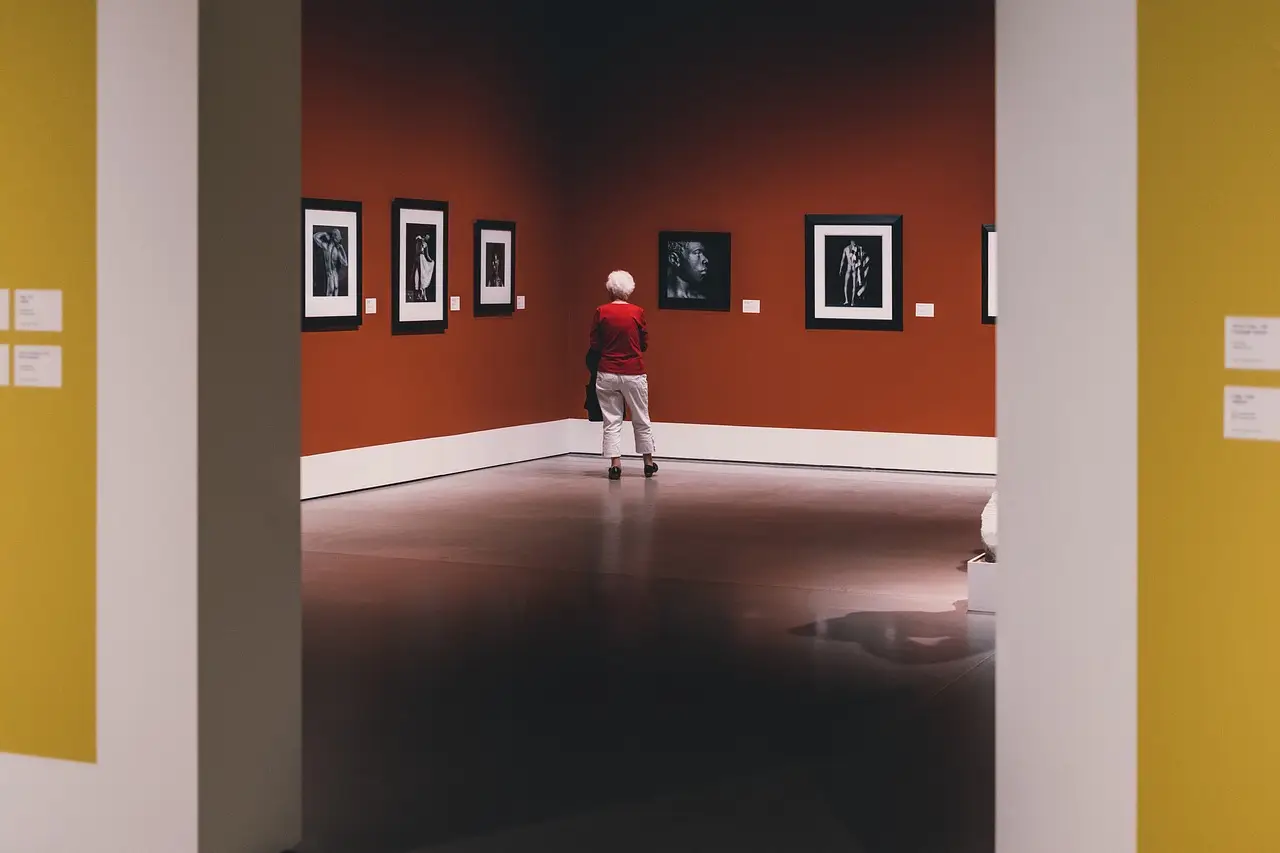
Art Basel Paris closed two days early on Friday 24 October, after French activists called for protesters to "take back" the Grand Palais. The fair refunded exhibitors 20% of their stand fees following an excoriating letter from France's gallery association to fair director Karim Crippa.
The closure came at the end of a turbulent Paris art week. Mass demonstrations the previous weekend had escalated into riots and looting in some areas. Unemployment among French 15 to 24-year-olds stands at 21.5%, almost three times the rate in neighbouring Germany. On Tuesday 20 October, the day of the ultra-exclusive Avant-Première pre-preview, the activist collective Pillage de Classe posted an Instagram message urging protesters to storm the Belle Époque exhibition hall on Saturday. More than 100,000 people turned out that afternoon, though the protests proved predominantly peaceful and police confined them to the city's outskirts.
Hauser & Wirth emptied its stand the day before the closure, leaving three paintings by the local artist Hélène Delprat. The flagship fair had already been shortened to three VIP preview days plus a single day for the general public. Satellite fairs, including Paris Internationale and Post-Fair, shut at lunchtime on Saturday.
"The collateral damage is substantial considering the whole point of being in Paris is to let yourself surrender to its myriad charms," said Andrew Terner, a New York-based private dealer and collector, speaking after the early closure.
The French authorities blamed "ultra-left radical groups" for the violence. Pillage de Classe views Art Basel Paris as a luxury playground in which the ultra-wealthy use art to shield capital from taxation.
What does the tax picture look like?
The numbers behind that critique are stark. According to a much-cited article in the French business magazine Challenges, the net worth of France's 500 wealthiest individuals grew from 6% of GDP in 1996 to 42% in 2024. Tax reforms introduced by President Macron in 2017 excluded stocks, financial assets, including art, and corporate investments from wealth tax calculations.
Since 2003, French tax breaks of up to 75% for private individuals and 60% for corporations supporting the arts have encouraged investment in private foundations such as the Fondation Louis Vuitton, the Bourse de Commerce, the Fondation Cartier and the newly opened Île Seguin luxury hotel and Large art centre. Research by Apollo magazine found Bernard Arnault's LVMH received an aggregate tax break of €518.1m between 2007 and 2017, set against the €790m cost of building the Frank Gehry-designed Fondation Louis Vuitton.
In the US, the richest 0.0001% — around 200 individuals — now hold more than seven times the share of national wealth they held in 1980, according to a November Substack post by the Nobel Prize-winning economist Paul Krugman.
Are young people priced out?
Ticket pricing suggests they are. Frieze London, owned by billionaire Ari Emanuel, former chief executive of Endeavor, charged £48 in October, with students paying £32. The following week, Art Basel Paris — part of James Murdoch's Lupa Systems portfolio — charged €47 for a standard day pass and €30 for students.
"The galleries pay for the fair. Visitors are a side business," says Magnus Resch, a New York-based author and art market entrepreneur. His back-of-an-envelope calculations put stand fee revenue at least €15m, against less than €3m from tickets. "Charging the public €47 isn't about the money. It's about keeping the fair exclusive." Art Basel does not reveal detailed revenue breakdowns.
"It is important for the public to visit an art fair," says Guillaume Sultana, whose gallery exhibited on the upper level of the Grand Palais, where footfall is slower than among the ground-floor mega-galleries. "But a lot of general visitors on the weekend are a bit frustrated because public tickets are very expensive." He acknowledges that "the main business is done during the very first days of an art fair, always".
Even so, Sultana describes the truncated edition as "very good", having sold a painting by the young Syrian artist Osama Al Rayyan during the preview for €15,000, among other works.
That price illustrates the gulf. Collectors are traditionally advised to spend no more than 5% of their available wealth on art, meaning the Al Rayyan buyer should, in theory, have had €300,000 of spare cash.
The context is shifting around the market. Young voters drove a landslide Democratic victory in the US midterm elections; authoritarian rulers Viktor Orbán in Hungary and Aleksandar Vučić in Serbia lost office; young people have protested their diminished life chances in France and more than a dozen other countries.
With established collectors ageing and selling rather than buying, and a democratic wave pushing back against oligarchical wealth, the market faces a choice between exclusivity and a broader definition of the "right kind" of people. After all, as one Paris bank window this October made plain, nobody wants "mort aux riches" sprayed across their gallery glass.
Source: theartnewspaper.com
More from Marcus Bennett
Show full bio
Staff writer covering people, launches and day-to-day practice in arts in the broadest sense at Arts & Voices.
1,493 articles