Asante gold regalia to stay in Ghana until 2030 as UK museums extend loan
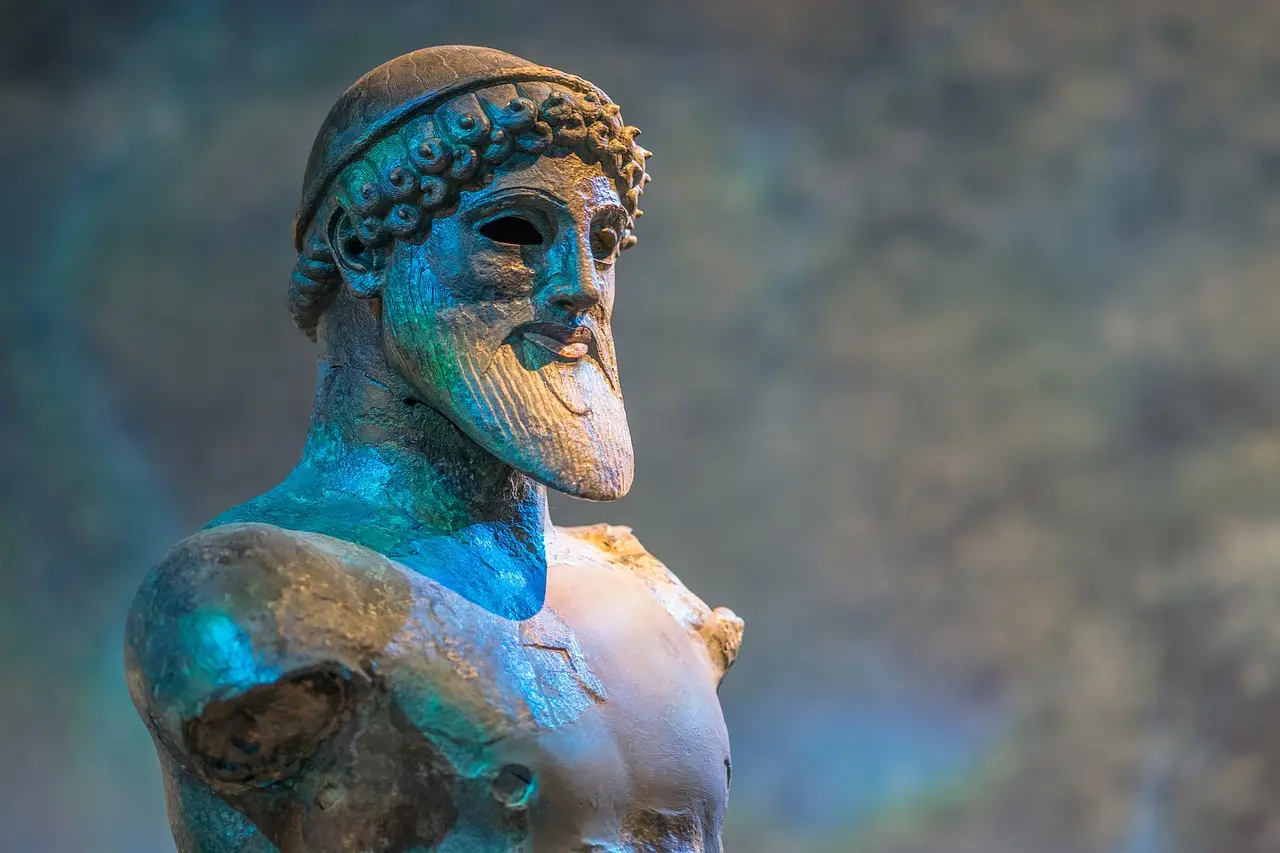
The British Museum and V&A have extended loans of looted Asante gold regalia to Kumasi's Manhyia Palace Museum until 2030. Ownership stays in London, and Ghanaian frustration stays too.
Programme
- British Museum loaned 15 objects; the V&A lent 17, almost all looted in late 19th-century military operations.
- Loans extended for three years past April 2027, keeping the regalia in Kumasi until 2030.
- Agreements signed in 2024 with Otumfuo Osei Tutu II, the 16th Asantehene.
- The British Museum holds about 220 pieces of Asante gold regalia in total.
- The loans idea was first discussed in the 1970s and revived during the Asantehene's May 2023 visit to London.
Gold regalia looted from the Asante royal court will remain in Kumasi, Ghana until 2030. The British Museum and the Victoria and Albert Museum have extended their loan agreements with the Manhyia Palace Museum by three years, running past the current term's end in April 2027.
The British Museum has loaned 15 objects; the V&A has lent 17. Almost all were taken during British military operations in the late 19th century. The original agreements were signed in 2024 with Otumfuo Osei Tutu II, the 16th Asantehene (King of the Asante), returning the gold to Kumasi, historic capital of what was then the Asante empire.
There's a legal catch, and it's a familiar one. The two UK museums cannot legally deaccession (permanently remove objects from their collections), so the works travel as long-term loans rather than restitutions. Call it return by instalment.
What does the extension actually change?
Operationally, very little — and that's rather the point. The renewal announcement followed a visit to Kumasi by Nicholas Cullinan, director of the British Museum, at the Asantehene's invitation.
Barnaby Phillips, author of The African Kingdom of Gold: Britain and the Asante Treasure, said: "The rollover of the loan agreement was always likely and from both the British Museum's and Manhyia Palace Museum's point of view, this has been a successful partnership with increased visitors, training and expansion at Manhyia."
He added the balancing caveat: "There is nonetheless enduring frustration from many in Ghana, both in Asante and beyond, that this is only a loan."
The regalia are on display in the Manhyia Palace Museum's Homecoming exhibition. Among the items shown is a small cast gold ornament in the form of a lute-harp, or sankuo — one of the gold objects presented in 1817 to the British diplomat Thomas Bowdich during his trip to Kumasi.
How were the objects chosen?
Ghana had a hand in it. "The British Museum has about 220 pieces of Asante gold regalia and the Manhyia Palace Museum has been involved in the selection of objects," Phillips said. "There has been considerable input regarding what goes back to Ghana."
So 15 of roughly 220 pieces went west. The maths explains the frustration as neatly as any editorial could.
Where did the deal come from?
The idea is older than most of the people now negotiating it. A loans deal was first discussed in the 1970s. It was revived when the Asantehene visited London in May 2023 to attend the coronation of King Charles III, and the agreements followed within a year.
With the loans now secured to 2030, the question shifts from whether the gold stays in Kumasi to who, in law, it belongs to — a question the British Museum Act leaves firmly closed, and one Ghanaian frustration keeps firmly open.
Source: theartnewspaper.com
More from Daniel Okafor
Show full bio
News editor covering companies, deals and strategy in arts in the broadest sense at Arts & Voices.
1,456 articles