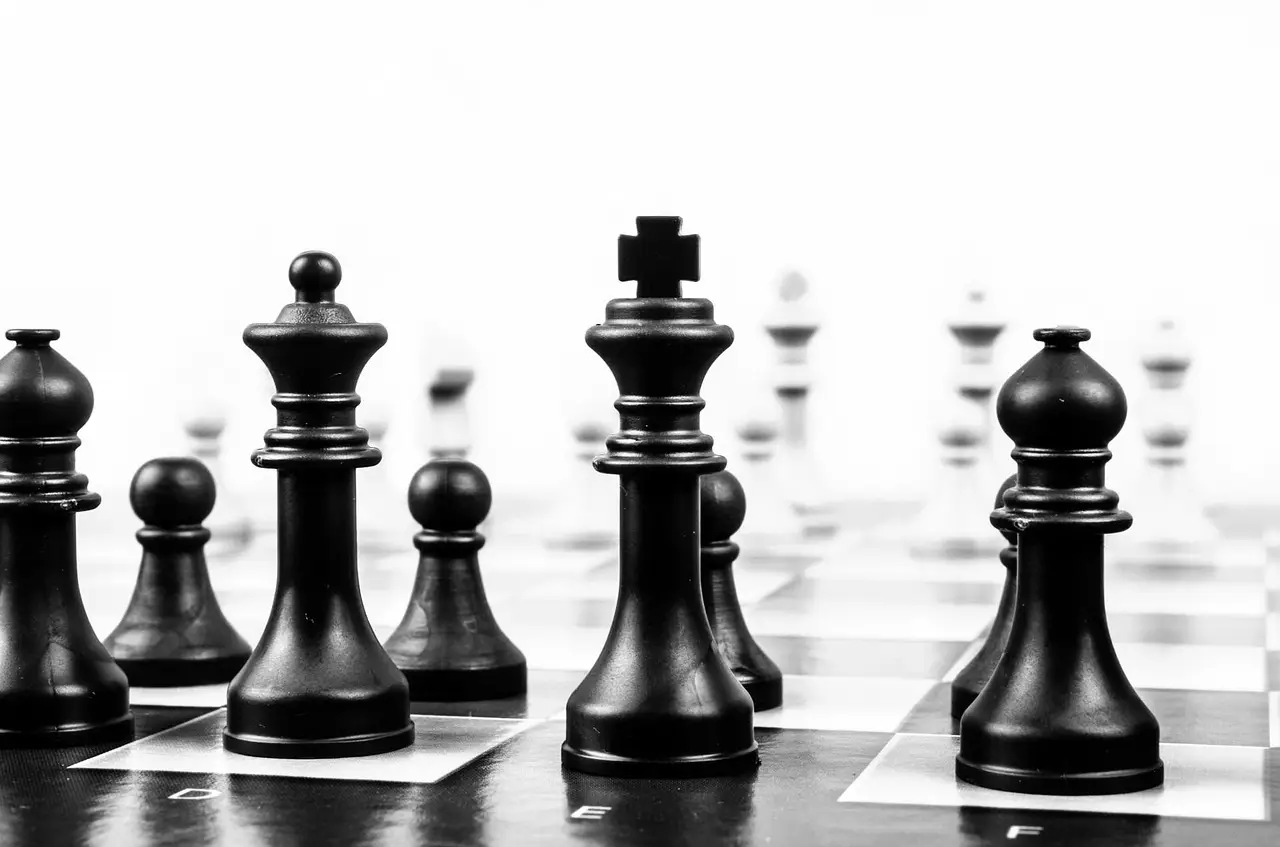
Bach Rescues Thomas Mann in Pawlikowski's Organ-Heavy 'Fatherland'
Pawlikowski's black-and-white 'Fatherland' sends Thomas Mann home in 1949 to Bach, Messiaen and a furious daughter. Sandra Hüller delivers the film's blade: 'You have created a castle of words'.
Programme
- Thomas Mann fled Nazi Germany in 1933 and returned in 1949 to accept the Goethe Prize, the historical basis of Fatherland.
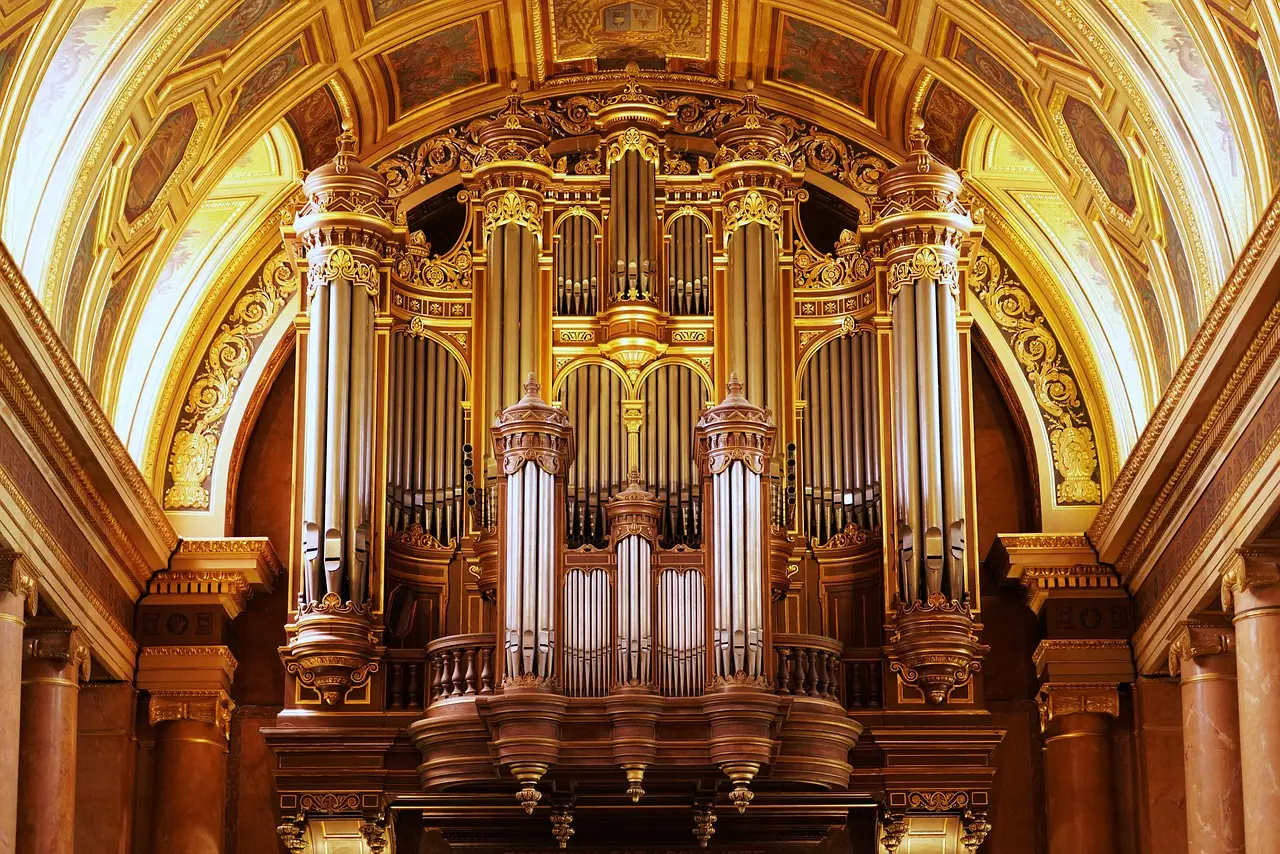
- The film's finale features Bach's 'Jesu, Joy of Man's Desiring' in a partially bombed-out post-war German church.
- Sandra Hüller plays Erika Mann; her credits include Anatomy of a Fall, The Zone of Interest and Requiem (20 years ago).
- Fatherland screens at SBIFF's Riviera Theatre & Film Center (sbifftheatres.com).
- Pawlikowski's Cold War, in the same black-and-white style, was one of 2018's most praised films.
Pawel Pawlikowski's new film Fatherland is, by the measure of its soundtrack alone, one of the most organ-heavy major motion pictures in years. Olivier Messiaen's organ writing speckles an otherwise spartan score, and the finale delivers Bach's "Jesu, Joy of Man's Desiring" performed in a partially bombed-out post-war German church. Bach, the film argues, wins the day.
The film screens at SBIFF's Riviera Theatre & Film Center; details are at sbifftheatres.com.
Fatherland continues the black-and-white project Pawlikowski began with Ida and carried through Cold War, his 2018 film that ranked among that year's most praised releases. All three films share a controlled, playful grasp of history — its details and its effects on personal, sometimes autobiographical stories.
The plot, at its center, is a fictionalized version of a real episode: novelist Thomas Mann fled Nazi Germany in 1933, settled in Los Angeles, and returned home in 1949 to accept the Goethe Prize. The homecoming pits demons against nostalgic ghosts. The setup invites comparison to Bergman's Wild Strawberries and Visconti's adaptation of Mann's own Death in Venice: characters adrift on journeys of the soul.
What does the title carry?
The word "Fatherland" — vaterland — holds several meanings at once. There is the personal angle: Mann appears as a cold father, indifferent to his possibly suicidal son Klaus (played briefly but hauntingly by August Diehl) and absorbed in his own mythic self-importance. There is the national angle: Germany four years after the war, carrying epic-scale global trauma, freshly split into East and West. Mann's prize-hungry visit to Weimar, in East Germany, risks alienating his communist-averse adopted homeland, the United States.
What does Sandra Hüller do here?
She plays Mann's daughter Erika, and her performance is the film's most visible virtue. It is a model of restraint, the critic's review notes, capped by a perfectly timed and pitched moment of outrage. Perturbed by her father's callous disregard for her tortured brother, she accuses him of hiding from reality. Driven to the brink, she yowls:
"You have created a castle of words you can hide in."
The line gives the film its organizing image — the father as an architect of verbal fortifications.
Hüller's résumé backs the claim that she may be one of the world's great living actresses:
- Anatomy of a Fall
- The Zone of Interest
- Toni Erdmann — also a strained father-daughter story
- Requiem, one of the best exorcism films ever made, released 20 years ago
Does the patience pay off?
Partly. Fatherland demands a willingness to sink into its unhurried rhythm and gradually revealing thematic undercurrents; the cathartic church scene is the payoff, and it resolves the storyline's battered emotional terrain, internal and otherwise. The caveat is built in: viewers unwilling to sit with the film's slowness will find the resolution arrives late. Those who do will find that Papa Bach, in a genuine way, saves the day.
For organ-music devotees and Pawlikowski followers alike, the film is another minor cinematic miracle — provided the audience meets it on its own terms.
Source: independent.com
More from Tom Whitfield
Show full bio
Market editor covering people, launches and day-to-day practice in arts in the broadest sense at Arts & Voices.
1,245 articles