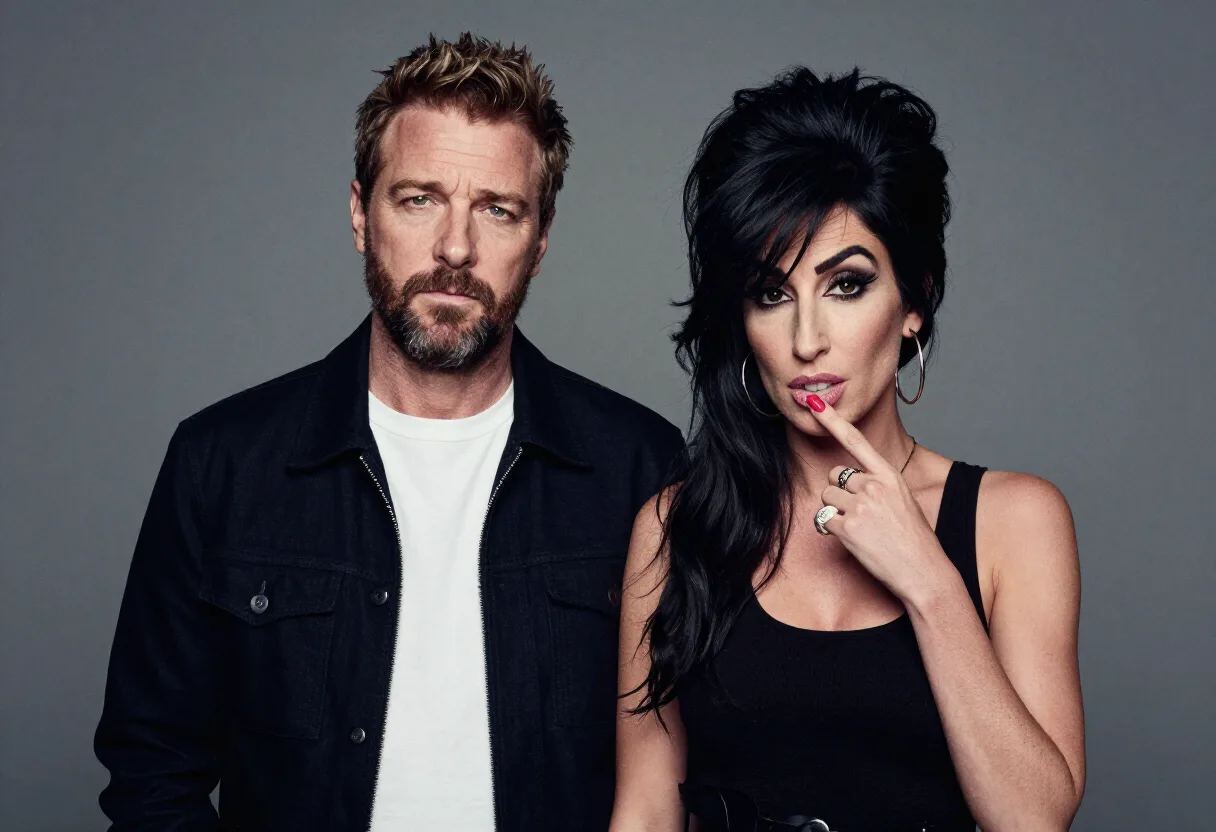
Back to Black at 20: the all-star Amy Winehouse tribute that can't quite burn
Mark Ronson and Salaam Remi's all-star BBC tribute to Back to Black, 20 years on, recreates the album note-for-note — and shows exactly why Amy Winehouse can't be covered.

Programme
- 2026 marks 20 years since Amy Winehouse released Back to Black and 15 years since her death.
- Producers Mark Ronson and Salaam Remi curated the tribute, featuring Jorja Smith, Lianne La Havas and Corinne Bailey Rae.
- The concert was staged primarily for a BBC TV broadcast, with onstage interviews by Jo Whiley.
- Standout moments included Jessie Reyez on Rehab and Yebba on Love Is a Losing Game with Ronson on guitar.
Amy Winehouse released Back to Black 20 years ago, and a new all-star tribute marking the anniversary proves how irreplaceable she was. The BBC-staged show, reviewed by the Guardian, pairs the album's producers — Mark Ronson and Salaam Remi — with hand-picked singers including Jorja Smith, Lianne La Havas and Corinne Bailey Rae. Winehouse died 15 years ago at 27.
The verdict is blunt: an all-star Amy tribute is a losing game. The reviewer's sharpest point is also the simplest one. Watch the Amy Winehouse Band run through lesser songs and covers, and you can spot exactly what's missing — "her playfulness, bite, anarchic charisma and taste."
Why the covers fall flat
Winehouse mixed soul, jazz, hip-hop, two-tone and 60s girl groups because she genuinely loved that music. Her fandom drove the fusion. Strip that away and the mechanics show. The band's version of "Monkey Man" by Toots and the Maytals is, in the reviewer's words, "just a cover of Monkey Man by Toots and the Maytals" — precise and full of gusto, but with "no pressing reason to exist."
What does the TV format change?
Plenty. The main event recreates Back to Black live, but it's staged primarily for a BBC TV broadcast. That means the flow breaks for onstage interviews and what the review calls "hagiographical patter" from Jo Whiley. Being told a concert is amazing while it's still unfolding, the reviewer notes, is "a little grating" — "but that's TV for you."
Even performed out of sequence, the album holds up as "a miraculous set of modern love songs in vintage clothing — tragic, defiant and bitterly funny." The problem isn't the material. It's that re-enactment limits the singers. One distinctive vocalist after another faithfully copies Winehouse's sly, gutsy phrasing and, in doing so, "submerges herself."
Where the show actually works
The sparks fly when someone breaks from imitation:
- Jessie Reyez "tearing through Rehab with conviction"
- London trio Flo splitting the difference between TLC and the Supremes on "He Can Only Hold Her"
- Yebba's "spectral, minimalist" take on "Love Is a Losing Game," with Ronson on guitar — a version the review says "would delight the Twin Peaks Roadhouse"
The closing ensemble finale of "Valerie" is the surprise. The mic-passing format assembles a diverse lineup of Winehouse's "musical sisters and daughters" and allows what the rest of the show lacks: an element of chaos. It's "unexpectedly moving," and it leaves the tribute "a pleasing glow."
Then comes the review's knockout line, the one that explains the whole enterprise's limits: "It's just that Amy didn't glow; she burned."
That's the mechanism underneath every tribute of this kind. You can assemble the producers, the band and a generation of singers Winehouse plainly influenced — the DNA is all there. What you can't reconstruct is the animating love and danger that made the original records feel necessary. Two decades on, Back to Black still outshines anything built to honour it.
Source: Guardian Music
More from Grace Kim
Show full bio
Correspondent covering technology and product news in arts in the broadest sense at Arts & Voices.
822 articles