Bedside Songs for Veterans: How Musicians On Call Plays the Hospice Wing
Since 1999, Musicians On Call has played for over a million U.S. hospital patients. At the Washington, D.C. VA, volunteers bring Eagles and Van Morrison songs to veterans' bedsides.
Programme
- Musicians On Call has performed for more than one million patients since its founding in 1999.
- Volunteer musicians typically visit hospitals 3 to 4 times a month.
- The Washington, D.C. VA Medical Center program serves patients in the hospice unit, bedside and via Zoom.
- Prince Harry visited the D.C. VA in August.
- Air Force veteran Sidney Nichols, a pararescue specialist in Southeast Asia, died after this story was reported.
Volunteers with Musicians On Call have performed for more than one million hospital patients across the United States since the non-profit was founded in 1999. At the Veterans Medical Center in Washington, D.C., that work now happens one guitar case at a time.
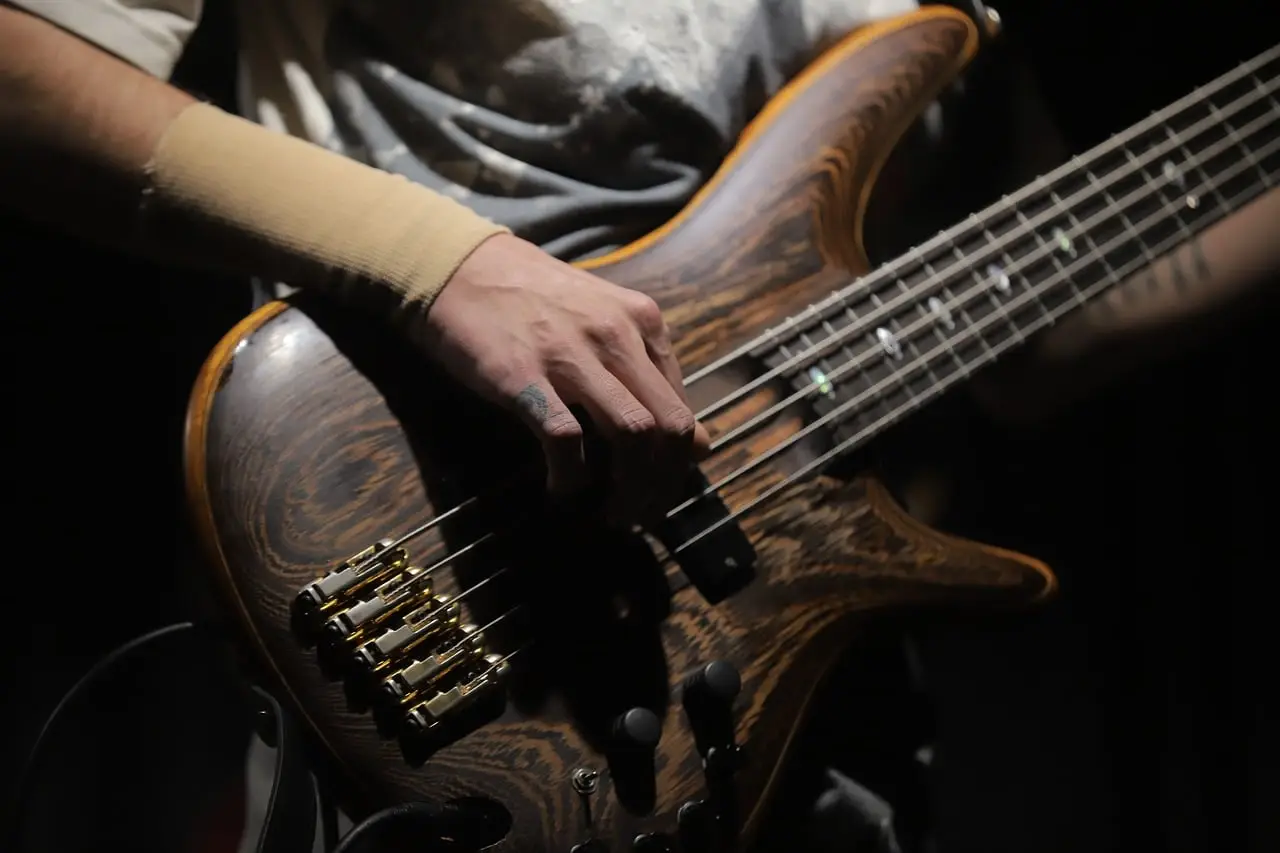
Dante Ciolfi unzips his guitar case in the hospital courtyard. "I'm about to tune my guitar," he says. By day he teaches computer science to graduate students. On this visit, he's a musician volunteer with Musicians On Call (MOC), an organization whose motto is "delivering the healing power of music" — bedside, or virtually via Zoom.
How a bedside session works
Ciolfi meets Ellen Morris, a fellow volunteer who trains musicians on hospital protocols and guides them from room to room. At the hospice unit, Morris knocks and takes the lead: "Hi there, how are you doing today? My name is Ellen with Musicians on Call. I have my friend Dante here that would love to play a song for you today, would that be OK?"
The patient, 93-year-old Army veteran Lawrence Ludden, agrees. He's reading the newspaper and quick to extend a hand. His shelf holds family photos — five grandchildren, two great-grandkids, his wedding picture with his late wife, and shots with Prince Harry, who visited the VA this past August.
Ciolfi thanks him for his sacrifices and opens with "Desperado" by the Eagles. Ludden claps, smiles, and shares a memory. "When I was a young boy I played piano, I used to like to sing quite a bit on the stage and I was in some light operas," he says. Morris replies: "You never told me that."
What does the music actually do?
Nicolette Rubin, the music therapist in charge of the music program at the D.C. VA Medical Center, points to Marine veteran John Fay as evidence. Fay is non-verbal, but as Ciolfi plays, he taps his hand on his heart. "To me that signals that he felt the music," Rubin says. "I think he was grateful, he wanted to kind of keep the beat and feel it in his body, and his soul."
Rubin describes music as more than uplift. It's a restorative treatment, she says, that helps patients recover from and cope with emotional and physical trauma.
Ciolfi's own account matches that. "A woman all of a sudden broke into tears," he recalls, "and at first I was wondering what's going on. But then a smile came on her face and it was like, no need for words." He frames his role as holding emotional space: "When I play, I try to mentally establish a conduit, so the energy is kind of flowing back and forth. And to me that is so special … that energy is powerful."
Why he does it
U.S. Air Force veteran Sidney Nichols, a former pararescue specialist who served four years in Southeast Asia — Thailand, Vietnam and the Philippines — whispers yes when Morris asks if he wants music. When Ciolfi starts "Crazy Love" by Van Morrison, Nichols taps his leg and silently mouths the lyrics. "I like it," he says. (Since this story was reported, Nichols has died.)
Ciolfi deliberately keeps his distance from the medical side. "I don't know anything about their circumstances," he says. "Technically, I could probably read it on the chart that is outside their room. I intentionally don't because I want to stay focused on the music."
His immigrant parents came from Italy and, he says, drilled into him how lucky he is to be a U.S. citizen. "Every single day I'm experiencing freedoms that other countries have no concept of," he says — freedoms he credits to veterans. "If I can do one tiny thing like play a song, my gosh, I'm there."
MOC volunteers typically visit hospitals three to four times a month. With a million patients served in 25 years, the model keeps scaling — and the VA's hospice wings keep answering the door.
Source: feeds.npr.org
More from Grace Kim
Show full bio
Correspondent covering technology and product news in arts in the broadest sense at Arts & Voices.
1,315 articles