Bill Hader's Cat in the Hat Gets a Makeover After Decades of Screen Misfires
Bill Hader voices a newly animated Cat in the Hat, escaping the legacy of the 2003 Mike Myers film A.O. Scott called a "grueling, chaotic stew of forced whimsy."
Programme
- Bill Hader voices the Cat in a new animated film now in theaters.
- The 2003 live-action version starring Mike Myers was panned; A.O. Scott called it a "grueling, chaotic stew of forced whimsy."
- After the 2003 failure, Seuss's widow refused to authorize future live-action adaptations of his works.
- Chuck Jones directed a 1971 animated TV musical of the Cat in the Hat.
- "How the Grinch Stole Christmas!" (1966) and Peabody-winning "Horton Hears a Who!" succeeded where the Cat did not.
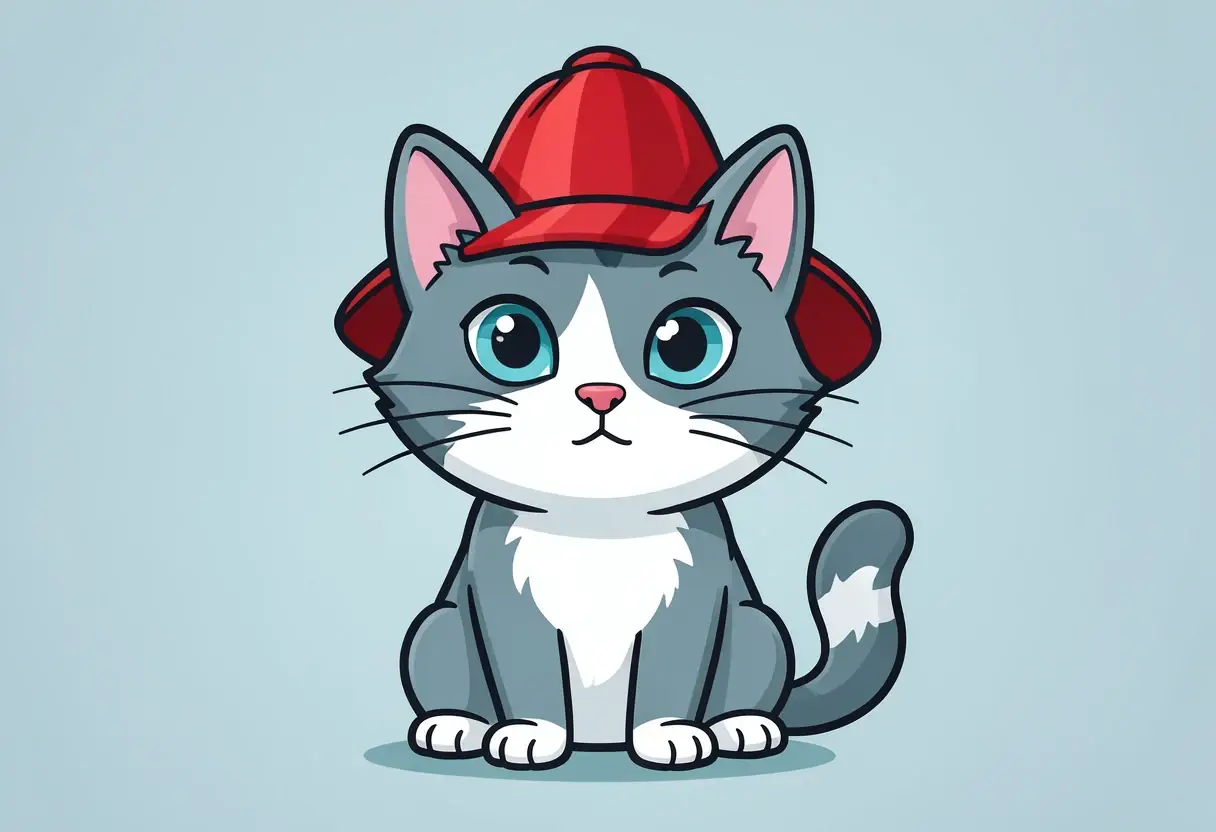
Bill Hader voices Dr. Seuss's Cat in the Hat in a new animated film now in theaters, and its animators have given the character what a New York Times feature calls a vibrant — and, in the paper's judgment, much-needed — makeover.
The stakes are real. Few children's books are as beloved, and few Seuss properties have failed as often on screen. The Times feature by Robert Ito, examining the new film's origins, frames the release as an attempt to break a long pattern: everything the Cat has touched in Hollywood has either underperformed or drawn outright ridicule.
Why has the Cat in the Hat struggled on screen?
Other Seuss classics made the transition cleanly. "How the Grinch Stole Christmas!" became an enduring holiday classic in 1966, and "Horton Hears a Who!" earned a Peabody Award as an animated TV special. The Cat, by contrast, accumulated a checkered record.
The talent was never the problem. Chuck Jones, the Looney Tunes legend, directed a 1971 animated TV musical version. The Jim Henson Company took its turn with "The Wubbulous World of Dr. Seuss." Neither effort produced the lasting screen life the Grinch or Horton enjoyed.
Then came 2003. The live-action adaptation starred Mike Myers and was pilloried by critics on release. In his New York Times review, critic A.O. Scott called the film a "grueling, chaotic stew of forced whimsy" — a verdict that has followed the property for two decades.
The consequences were lasting. After what the Times describes as the fiasco, Seuss's widow refused to authorize any future live-action adaptations of her husband's works. That refusal, reported as fact by the paper, effectively closed the door on a second Myers-style attempt and pushed any revival toward animation.
What does this change for the Cat?
This is the practical question. The new film's creators inherited the Myers legacy and the widow's live-action ban, and their answer was to rebuild the character in animated form with a fresh visual identity — the "vibrant" look the Times highlights — and a new voice in Hader.
What remains unsaid in the available reporting is whether the new look and voice have won over critics or audiences; box office figures and review verdicts do not appear in the source material. The makeover is documented. Its reception is not yet.
A closing caution
The pattern is worth remembering before declaring a comeback. A beloved book, a major studio animation, a bankable comic voice — the 2003 production had comparably strong ingredients, and A.O. Scott's "forced whimsy" verdict is the memorial to how that turned out. The new Cat in the Hat has cleared its first hurdle simply by arriving in theaters as an animated film rather than another live-action gamble. Whether it finally gives Seuss's signature creation the screen life the Grinch has enjoyed since 1966 is the question the next round of reviews and box-office returns will answer.
Source: NYT Arts
More from Tom Whitfield
Show full bio
Market editor covering people, launches and day-to-day practice in arts in the broadest sense at Arts & Voices.
1,209 articles