Blade Runner 2099 review: gorgeous gloom, four hours, no answers
Prime Video's Blade Runner 2099 keeps the films' synth-heavy atmosphere and flips the replicant order, but four hours in our critic still cannot say what the series is about.

Programme
- Blade Runner 2099 starts on Prime Video on Wednesday.
- The series is set 50 years after Denis Villeneuve's Blade Runner 2049.
- Hunter Schafer plays Cora; Michelle Yeoh plays the dying blade runner.
- The critic was four hours in and still did not know what the series was about.
Blade Runner 2099 arrives on Prime Video on Wednesday, and four hours in, the critic sent to review it still cannot say what it is about. That verdict comes from the reviewer's own confession midway through the series: "The fact is, halfway through the series, I don't know what's going on."
The premise, on paper, is solid. The series is set 50 years after Denis Villeneuve's Blade Runner 2049. Ecological catastrophe has flipped the social order. Artificial humans have risen up and taken over. Blade runners are now a task force of replicants who hunt rebellious humans.
One such human, Cora, infiltrates the LAPD to track down a mysterious item that will expose a huge secret. Hunter Schafer plays Cora. She is partnered with a dying blade runner, played by Michelle Yeoh, who is tracking down a missing officer — who is in turn looking for something else again.
What does the series keep from the films?
To give the creators their due, they have not made concessions for television. The reviewer, a self-declared fan of the films, writes: "I was worried they might stray too far from the tone of the films but they haven't."
The signature 80s synthscape of the original remains, and it runs through every scene. Planes of alienated noise slice across the dialogue. A bass rumble underpins the rest. When that drops out, religious-inflected vocalisations or mechanical clanking take over. In the reviewer's phrase, "The sound of this show alone could nullify your SSRIs."
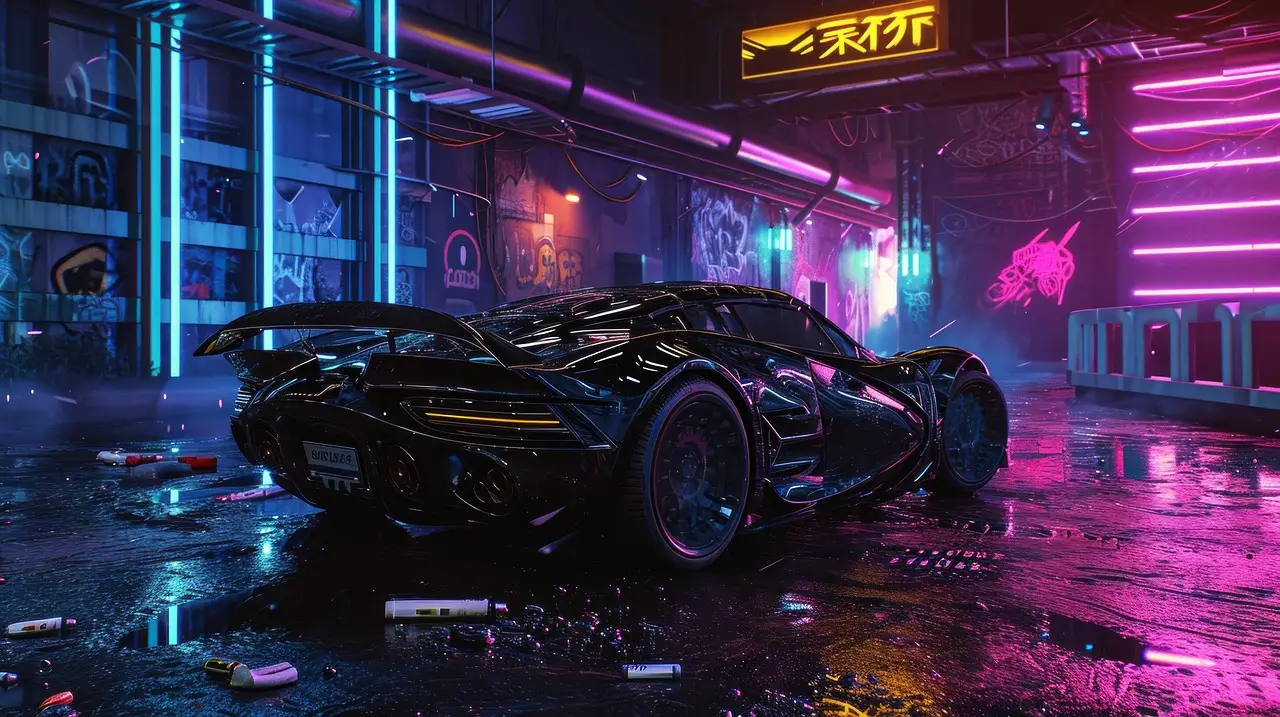
The visuals match. They are starkly industrial, amber-saturated or filled with plumes of smoke. The reviewer calls them impressive but oppressive. Each new episode, he writes, feels like clocking on to a shift at an underground sulphur mine.
The pace is the problem. Time moves slowly. The camera is not in a hurry, and neither are the actors. Spare dialogue arrives with portentous pauses between lines. Much of it is delivered in the dark. The reviewer's tally: "Grimness: too much. Comprehension: too little. Laptop speakers: stuffed."
What does this change for television sci-fi?
For the reviewer, the answer is that not everything should be TV. Intensely atmospheric pieces work better in a cinema set-up and at film length, he argues. He points to Blade Runner 2049's sweeping canvas, owed to cinematographer Roger Deakins, which ended in snow-blank, abstracted shots paralleling its themes of birth and moral choice. "It stuck the landing," he writes. "Blade Runner 2099 plunges us into a far darker world, and after four hours I still don't know why."
He also situates the show in the wider franchise economy. Harry Potter, Lord of the Rings, Alien and Star Wars have all been given the TV treatment, because franchise-mining maximises attention share in order to sell adverts. He notes the irony that a series about unchecked corporate power streams on Amazon — "the closest it gets to making a joke" — and that Prime Video already offers clickable adverts during streaming.
Schafer and Yeoh are possibly doing great work, he concedes, but the darkness makes that hard to verify. His parting advice: "Why spend this much time immersed in a doomed world, when you could open up a window and watch the real one? It's live!"
Source: theguardian.com
More from Marcus Bennett
Show full bio
Staff writer covering people, launches and day-to-day practice in arts in the broadest sense at Arts & Voices.
1,703 articles