Brussels Gallery Super Dakota to Close After 15 Years
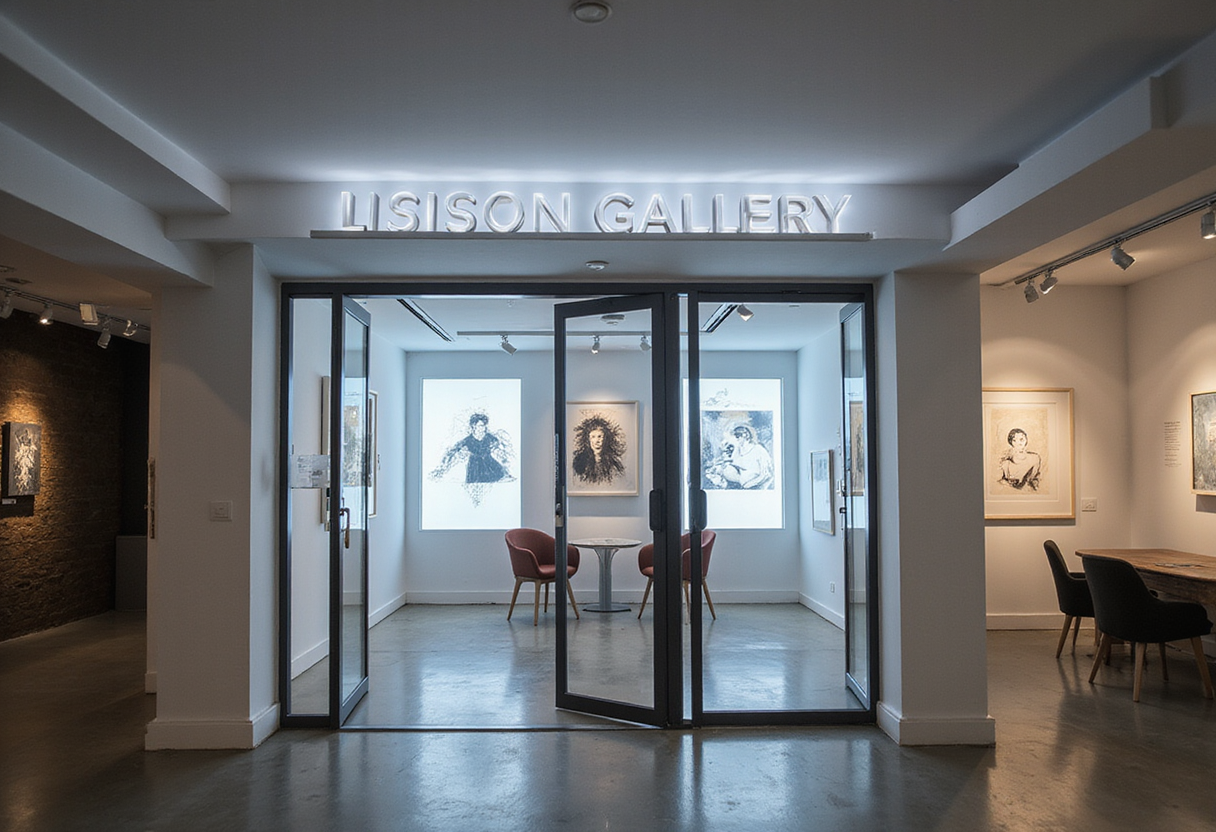
Brussels gallery Super Dakota will close at the end of October after 15 years, with Adrian Geller's solo through October 16 as its final show. Founder Damîen Dakota will launch the MeatSpace Institute of Arts.
Programme
- Super Dakota will close at the end of October after 15 years; the gallery opened in September 2013.
- Adrian Geller's solo exhibition, running through October 16, is the gallery's final show.
- The gallery represents 16 artists at closing, including !Mediengruppe Bitnik, John Divola, Tabor Robak, and Julia Wachtel.
- Founder Damîen Dakota (Damîen Bertelle-Rogier) will launch the MeatSpace Institute of Arts, focused on art and gaming.
- Other recent gallery contractions include Eva Presenhuber closing her Vienna space, Emanuel Layr scaling back, and Brussels's Dépendance shuttering after 23 years in June.
Brussels gallery Super Dakota will close at the end of October after 15 years, with Adrian Geller's current solo exhibition, on view through October 16, serving as the program's final show.
Why is Super Dakota closing after 15 years?
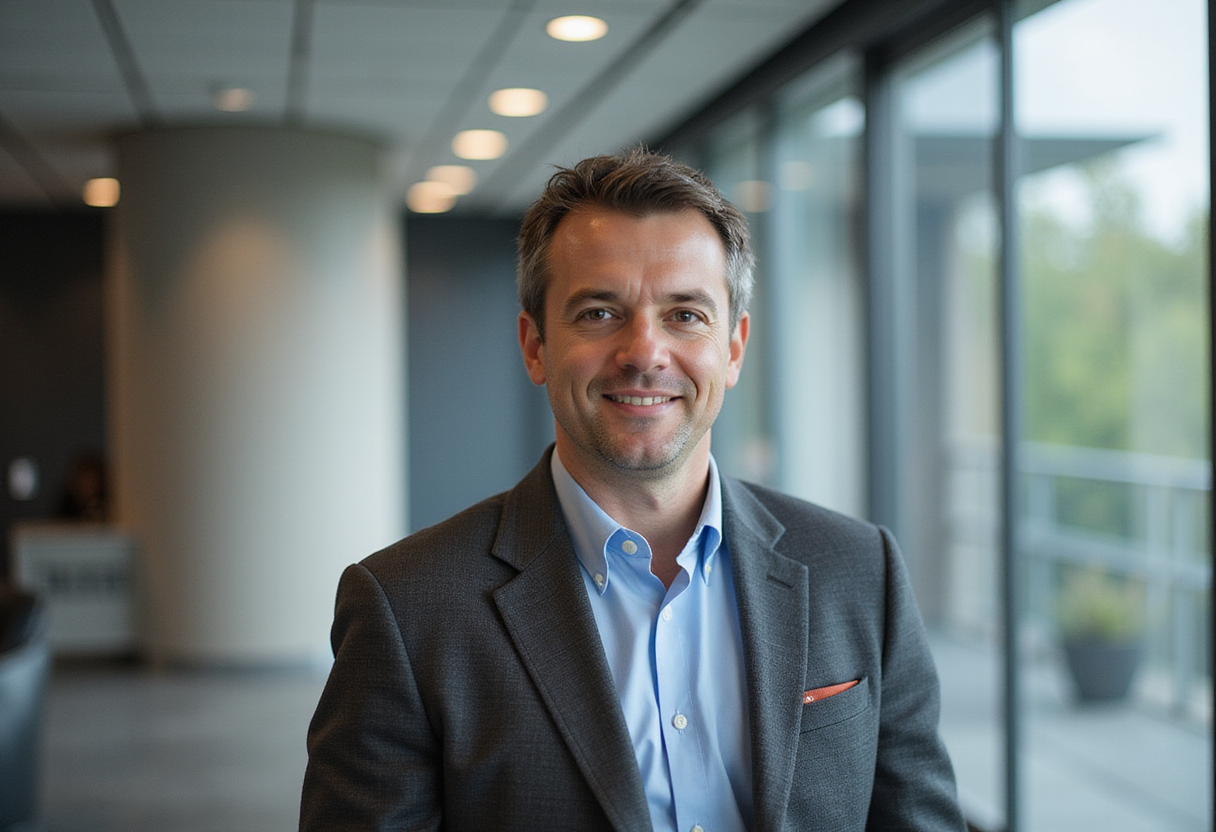
Founder Damîen Dakota, whose legal name is Damîen Bertelle-Rogier, informed the gallery's subscribers by email. "This has been a great journey, but after 15 years the model of a commercial art gallery doesn't match my ambitions anymore," he wrote. "I want to continue supporting artists through other platforms and models."
Dakota thanked his mother, his partner, the gallery's collectors, and the artists who showed there. "To all, I'm forever grateful," he added.
What comes next for the gallery's founder?
Super Dakota will not disappear entirely. Dakota plans to keep the business alive as a curatorial-research space. It will "continue as a space for curatorial research, working closely with artists, collectors and institutions to build collections and projects focused on historical relevance and theoretical aesthetics," according to his email.
He will also launch the MeatSpace Institute of Arts, which he described as "an institution at the intersection of art and gaming, designed to make culture radically accessible to anyone, anywhere and to rethink the role of museums and art institutions in the future." Dakota has advised collectors on building their holdings for the past decade.
Who is on the roster at closing?
At the moment of its shuttering, Super Dakota represents 16 artists, including Geller, !Mediengruppe Bitnik, Alex Clarke, John Divola, Chris Dorland, Tabor Robak, LaRissa Rogers, and Julia Wachtel. Wachtel features in the 2026 edition of Greater New York and in the inaugural Aldrich Decennial.
What defined the gallery's 15-year run?
Super Dakota opened in September 2013 with a stated aim of mounting "cutting-edge and engaging shows, toward the perspective of an exacting contemporary art finding its roots in the history of art," per a description provided to the Independent art fair. Its debut exhibition, titled "Void," showed 10 artists, including Joachim Bandau, Baptiste Caccia, and Jan Groover. Groover, who died in 2012, received her own solo in the gallery's third exhibition.
Pairing established figures with emerging ones became the gallery's signature. The 2016 group show "Masha" placed John Cage, Yvonne Rainer, Lawrence Weiner, and Groover alongside Lydia Gifford, GL Rogier, Ariane Schick, and Josh Tonsfeldt. "The Scales of Persona and Possibility" in 2018 staged Fischli & Weiss, Douglas Gordon, Wade Guyton, Adam Pendleton, Raymond Pettibon, and Robert Rauschenberg in dialogue with Schick, Alex Clarke, Sarah Derat, Louis Malle, and Mitchell Syrop.
The gallery showed at Independent, NADA Miami, Liste Basel, Frieze London, and Art Basel Miami Beach.
How does the closure fit a wider pattern?
The past 18 months have produced a steady drumbeat of gallery contractions on both sides of the Atlantic. Earlier this week, Zurich-based Eva Presenhuber said she would close her Vienna outpost. Last month, Viennese dealer Emanuel Layr scaled back his business. In June, Brussels neighbor Dépendance said it would shutter after 23 years.
The Super Dakota closure adds another Brussels name to that list and pushes the founder toward a hybrid model — part private advisory, part curatorial studio, part gaming-and-culture platform — that sits outside the traditional gallery model he is leaving behind.
The gallery's last day in its current form falls on October 31; how quickly MeatSpace Institute of Arts takes shape will indicate whether the pivot yields a viable new template for dealer-led research and production.
Original: independenthq.com
More from Marcus Bennett
Show full bio
Staff writer covering industry trends and analytics at Arts & Voices.
374 articles