California Science Center Opens $450 Million Space Shuttle Center
The California Science Center opens the Samuel Oschin Air and Space Center on December 13, displaying NASA's Endeavour in a $450 million, 18,580-square-metre complex with free admission.
Programme
- The Samuel Oschin Air and Space Center opens Friday, December 13, in Los Angeles.
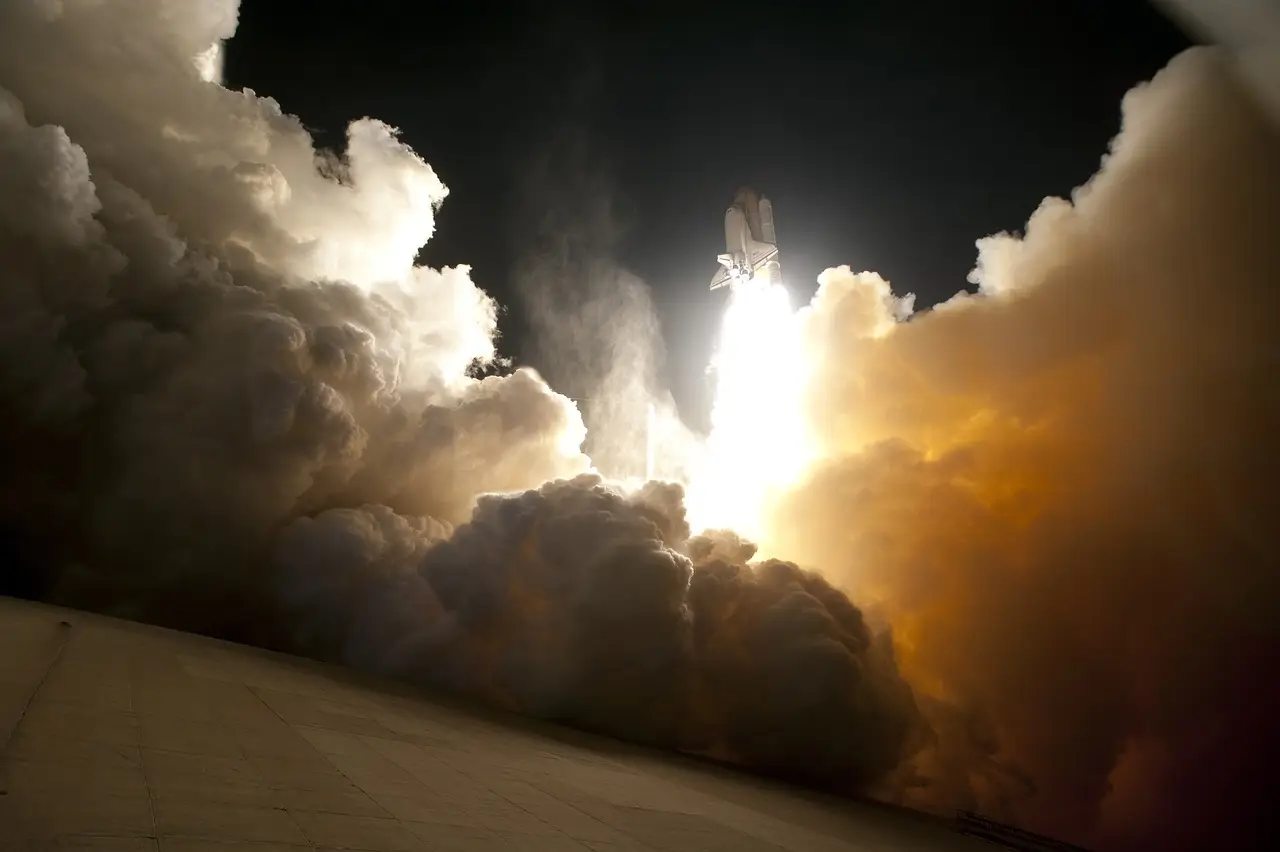
- The $450 million, 18,580-square-metre center displays NASA's Endeavour vertically at roughly 20 storeys.
- It is the only place in the world showing a complete original shuttle system: orbiter, two rockets and external tank.
- Donations have surpassed $415 million from more than 1,100 backers; admission is free.
- The center holds 100 aerospace artifacts, 100 interactive attractions and a 14-metre return-to-Earth slide.
By Elena Vasquez
The California Science Center opens the Samuel Oschin Air and Space Center in Los Angeles on Friday, December 13. The 18,580-square-metre facility will house Endeavour, the last operational space shuttle built by NASA, displayed vertically in a launch configuration roughly 20 storeys tall.
The complex will be the only place in the world exhibiting a complete, authentic space shuttle system. That system comprises the orbiter, two auxiliary rockets and an external tank. The structure completes the final phase of a museum expansion plan developed over 30 years. The center sits in Exposition Park, near the Lucas Museum of Narrative Art.
What did the project cost and who paid for it?
The project was budgeted at $450 million. More than 1,100 people and institutions backed it. According to the California Science Center Foundation, donations to the initiative have already surpassed $415 million — more than 92% of the total budget raised before opening day. Admission will be free for visitors.
The takeaway: a nine-figure cultural project delivered largely through private philanthropy, with free public access built in from the start.
What will visitors see inside?
The center divides into three galleries:
- Samuel Oschin Shuttle Gallery — focused on Endeavour, with exhibits on the thermal protection system, the decompression chamber and the 135 missions of the Space Shuttle program, including tributes to crew members who died during the program.
- Korean Air Aviation Gallery — more than ten aircraft, from gliders to fighter jets, anchored by the 21-metre forward section of a Boeing 747.
- Kent Kresa Space Gallery — dedicated to space exploration.
The Shuttle Gallery adds a 43-metre elevator, a landing simulator and a 14-metre slide that simulates the return to Earth. Beyond the galleries, the new center holds 100 historical aerospace-industry artifacts and 100 interactive attractions.
In plain terms: one authentic full shuttle stack, three themed wings, and 200 additional exhibits and interactives distributed across nearly 19,000 square metres.
Why does the vertical configuration matter?
No other institution has ever displayed an entire, original shuttle launch system — orbiter, boosters and external tank together, stacked as if ready for liftoff. Endeavour flew 25 of the program's 135 missions before retirement. Its vertical display at roughly 20 storeys makes the scale of the launch system legible to the public in a way no horizontal museum mounting can.
The gallery's tributes to fallen crews also anchor the exhibit in the program's full record, including its losses.
The opening completes a three-decade expansion blueprint and gives Los Angeles a permanent, free-to-visit monument to the shuttle era, positioned beside the forthcoming Lucas Museum as a new anchor for Exposition Park.
Source: brasilemfolhas.com
More from Elena Vasquez
Show full bio
Senior reporter covering technology and product news in arts in the broadest sense at Arts & Voices.
1,332 articles