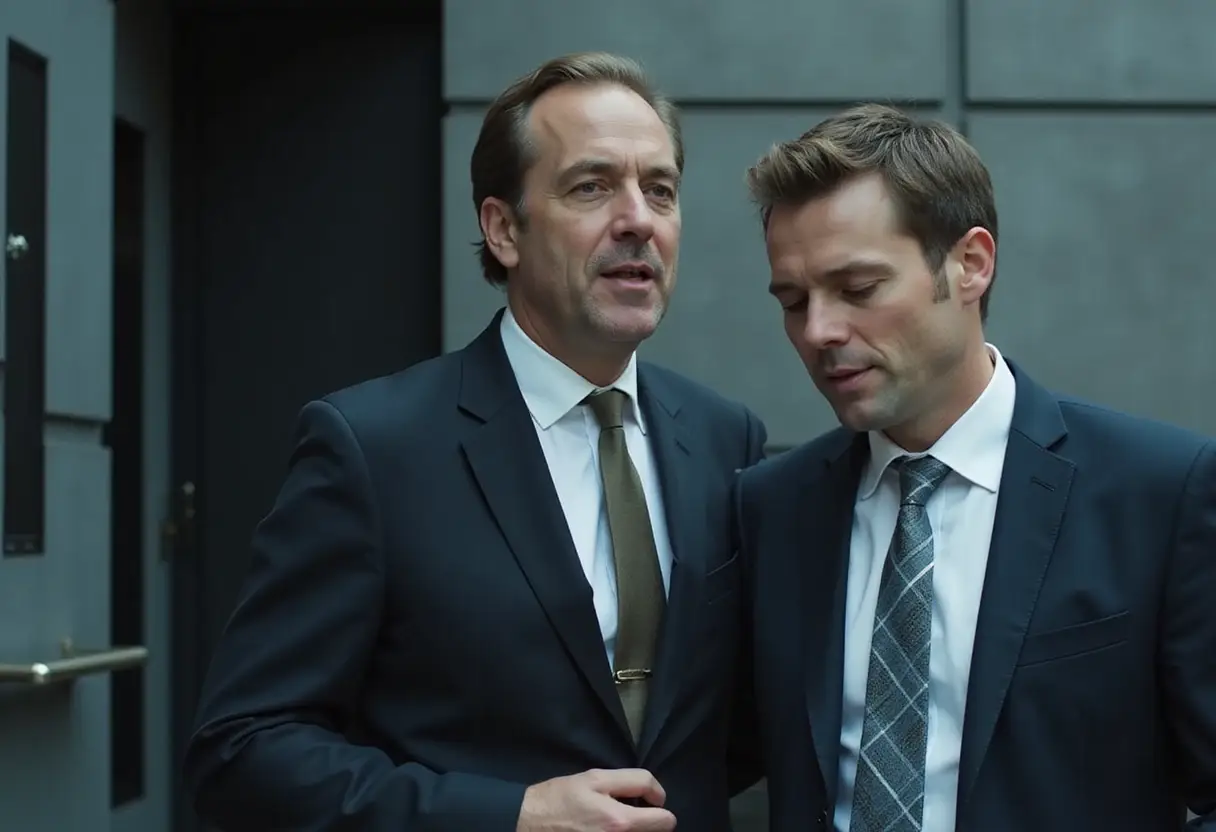
Cameron Winter at Carnegie Hall: Paul Thomas Anderson’s close-up
Paul Thomas Anderson’s 75-minute film records Cameron Winter’s sold-out, 12-song Carnegie Hall set, finding intimate scale and visual myth beside a spare piano performance.
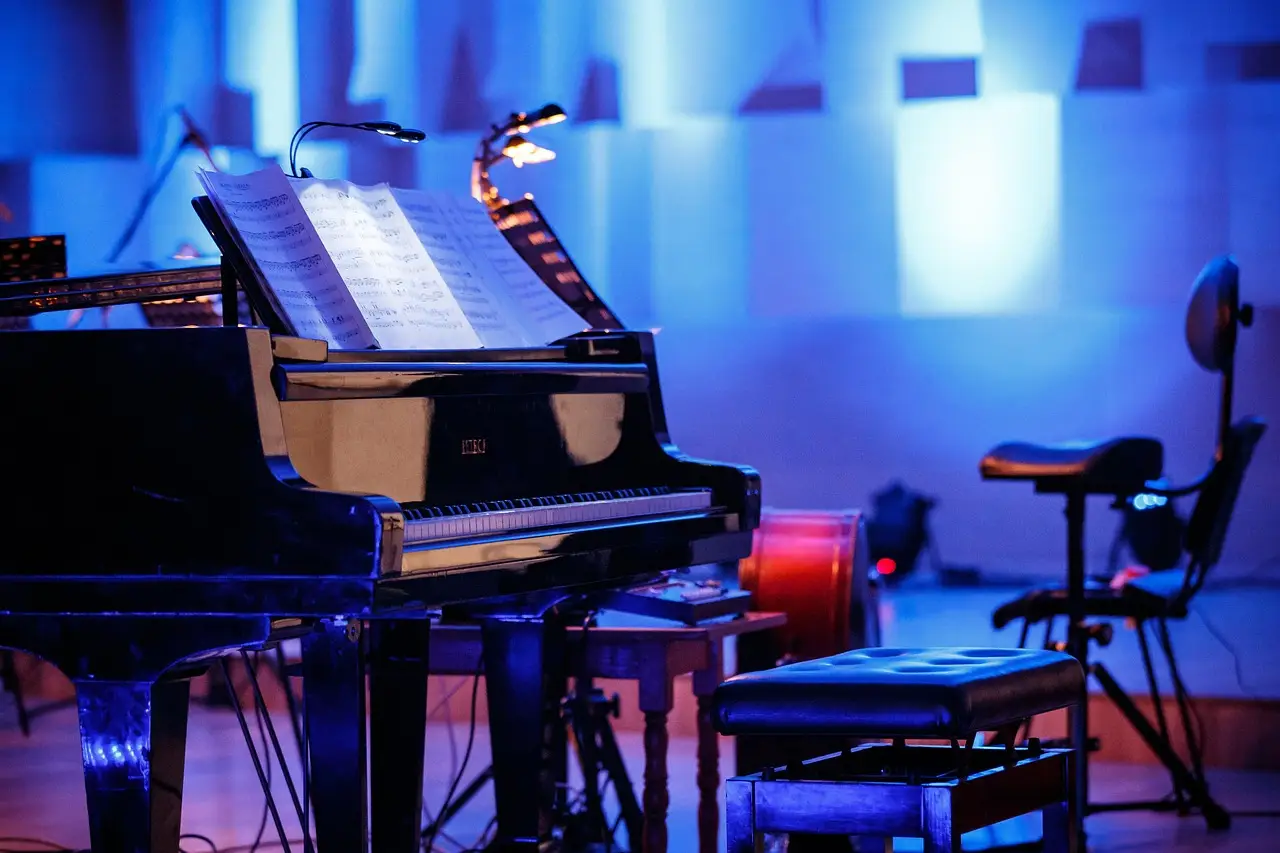
Programme
- Cameron Winter played a sold-out 12-song Carnegie Hall set on December 11, 2025.
- Paul Thomas Anderson’s concert film runs 75 minutes and features Winter at age 23.
- Winter opened with the unreleased song “It All Fell in the River” and remained at the piano for nearly the entire set.
- Anderson and producer Benny Safdie filmed as security allowed them to move through the stage.
- The film begins its theatrical tour on Friday, November 20.
By Tom Whitfield
On December 11, 2025, Geese frontman Cameron Winter played a sold-out, 12-song set at Carnegie Hall. Paul Thomas Anderson’s Cameron Winter at Carnegie Hall records that near-fully piano-led performance in 75 minutes.
The Film Stage’s review calls the result “an astonishing 75-minute immortalization of its subject’s genius,” a verdict that frames the film as a portrait of exceptional talent rather than a neutral concert record.
Winter was 23. For almost the entire set, he hunched over the piano under a warm overhead light, casting a shadow across the stage. The audience supplied its own contrast: quiet, rapt patience replaced the “rowdy screaming and pushing” associated with a Geese concert.
Anderson captured the performance during the rollout and awards campaign for One Battle After Another. He and producer Benny Safdie handled the camera work while Carnegie Hall security opened and closed doors for them, letting the filmmakers move through the stage as Winter played released and unreleased songs.
The review says Anderson often placed a camera inches from Winter’s face, excluding the crowd from the close frame. His priority was access and mythic intimacy. Anderson reportedly saw the 23-year-old as otherworldly and wanted viewers to see that quality too.
That aim shapes both image and scale. Warm light makes Winter appear “almost angelic, ethereal, heavenly,” though the review notes that his songs and lyrics may not match that description. The contrast is useful rather than decorative: it tests the film’s halo effect against the less decorous behavior on stage.
Winter opened with the unreleased “It All Fell in the River,” singing in a clear, strong voice. Anderson established Carnegie Hall’s scale, majesty and familiarity, then made Winter look small beside the piano and the venue. The geometry turns the concert hall into a measure of the performer.
Winter barely moved or spoke. He could hold attention while tapping a single key, and the film found a small release for that restraint. He rose once for a brief physical-comedy bit shown in wide shot; the audience chuckled, and he sat down again for the next song.
The transition took seconds. Winter pushed shaggy hair from his face, adjusted a sheen-black outfit and continued with the next ballad. The Film Stage reads this economy as confidence, attributing his limited speaking to a talent that did not need explanation. The film supports that reading through duration rather than commentary.
The review’s musical judgment is broad but favorable. It says Winter’s songs are “filled with complexity and oddity” and praises their “satisfying melodies” and “unique vocal range.” For viewers meeting his work without context, the stripped presentation offers what the review calls “the most palatable version”: Winter’s voice and piano at the center, without Geese’s full concert dynamic.
That contrast also places an early-20s, sometimes punk rocker inside midtown Manhattan’s splendor, spectacle and gentility.
What does the film change for viewers unfamiliar with Geese?
It lowers the barrier to Winter’s music. The piano-only format removes the band, the push and the scream, while the camera makes each song an individual test. It also narrows what can be judged. The film convinces about Winter’s presence, but says less about Geese’s wider force because Anderson largely stays with one performer and his solo discography.
The limit of the genius claim
Visually, the otherworldly portrait often holds up. The close lens, overhead light and repeated use of the hall’s scale build a consistent image of Winter as a solitary figure, while the physical-comedy intermission prevents the solemn presentation from becoming entirely seamless. Musically, the case rests on Winter’s songs and the camera’s willingness to hold single takes through large portions of his solo discography.
The caveat is evidentiary. The review identifies only “It All Fell in the River” and offers praise for melodies, vocal range, complexity and oddity rather than track-by-track analysis. Anderson’s access is exceptional, but access is not the same as evidence of genius. The film shows an attentive performance and leaves the larger claim to music and viewer.
Cameron Winter at Carnegie Hall begins its theatrical tour on Friday, November 20. The film offers a controlled introduction to Winter; the live dates will test how much of that intimacy survives outside the piano spotlight.
Source: The Film Stage
More from Tom Whitfield
Show full bio
Market editor covering people, launches and day-to-day practice in arts in the broadest sense at Arts & Voices.
1,546 articles