Cancer-Surviving House Legend Peven Everett Returns to the Stage
Peven Everett, the voice behind garage-house anthem Gabriel, has beaten stage four lung cancer and rejoined Gorillaz on stage. A new documentary makes the case for his genius.

Programme
- Peven Everett, 51, was diagnosed with stage four lung cancer two years ago and has completed treatment.
- His anthem Gabriel with Roy Davis Jr reached No 22 in the UK charts after its 1997 rerelease.
- Everett's catalogue spans more than 500 tracks and over 50 self-released albums.
- He rejoined Gorillaz in Chicago, his first stage appearance with them since 2022.
- Denholm Hewlett's new documentary on Everett features Damon Albarn, Gilles Peterson and Moodymann.
Two years after a stage four lung cancer diagnosis, Peven Everett rejoined Gorillaz on stage in Chicago. The 51-year-old sang the late Bobby Womack's part on Stylo. A video of the emotional moment drew support from Shirley Manson, Kelela and Honey Dijon.
Everett is the voice and trumpet behind Gabriel, the spiritual garage-house anthem co-created with Roy Davis Jr that became a UK club standard. At We Out Here festival in Dorset this August, thousands sang its trumpet melody back at him like a giant brass-band karaoke session.
He is, by most accounts, more than one song. Damon Albarn calls him "a once-in-a-generation voice … he's a great inspiration to us all." Festival founder Gilles Peterson places the Chicagoan, alongside Detroit's Moodymann and Amp Fiddler, as "the closest thing dance music has to a Prince-type figure."
What does the new documentary claim?
Denholm Hewlett, son of Gorillaz visual artist Jamie Hewlett, has made a documentary on Everett's life. "People always refer to him as a house music artist," Hewlett says. "But he was a trumpet prodigy by the age of 12 and was raised by jazz royalty."
The facts back that up. Everett gave up a scholarship at Boston's Berklee College of Music to tour with mentor Betty Carter and the Marsalis brothers, Wynton and Branford. A 1995 New York Times article asked whether the 21-year-old was the next Miles Davis. He then returned to Chicago to care for his ailing mother and teamed up with Roy Davis Jr, producing 1999's Watch Them Come and Gabriel.
The Live Garage Mix of Gabriel, with its swung drums, matched the pace of the nascent UK garage scene. Rereleased in 1997, it reached No 22 in the charts. In the film, producer Marc Cary says Everett "brought a richness to house music" that previously didn't exist.
Who borrowed from Gabriel?
Everett recalls a night at Chicago's Red Dog club in the early 2000s when Thomas Bangalter of Daft Punk and vocalist Benjamin Diamond approached him. Stardust's hit Music Sounds Better With You had come two years earlier. "They were like, 'Yo, we made Stardust because of Gabriel, we used that as a template,'" he says. "At least they had the grace to tell me."
Credit has been a sore point. Some early Gabriel promos omitted his name, and some know the song as a Roy Davis Jr track. Everett insists he was no hired hand: "I make the vocals: I arrange them, I sing them. I make the horn and keyboard parts: I arrange them, I play them." On his contributions, he says only that "the situation itself is still pending."
Why isn't he a household name?
Everett runs a DIY operation, self-releasing more than 50 albums on his Studio Confession Entertainment label, from a catalogue spanning over 500 tracks across house, neo-soul, hip-hop and samba. "He'd make an album in one week and then burn it on to CDs and sell them at record stores in Chicago," says Hewlett. Moodymann's verdict in the film: "everyone's favourite artist, you just don't know it yet."
Everett claims he was blacklisted for much of his career, citing his home town's music industry. The reason? "For being a musical genius. Not everybody wants to see that."
He frames his work as a correction of history, picking up where Marvin Gaye and Barry White left off before the racist, homophobic "Disco Sucks" movement sullied disco's name. "It tarnished great music," he says. "So I said, guess what? I'm gonna make the records that I know should have happened right after."
He claims Prince attended one of his shows in the mid-to-late 2000s and leaned into dance music soon after. "He knew what I was doing: he'd seen it for himself."
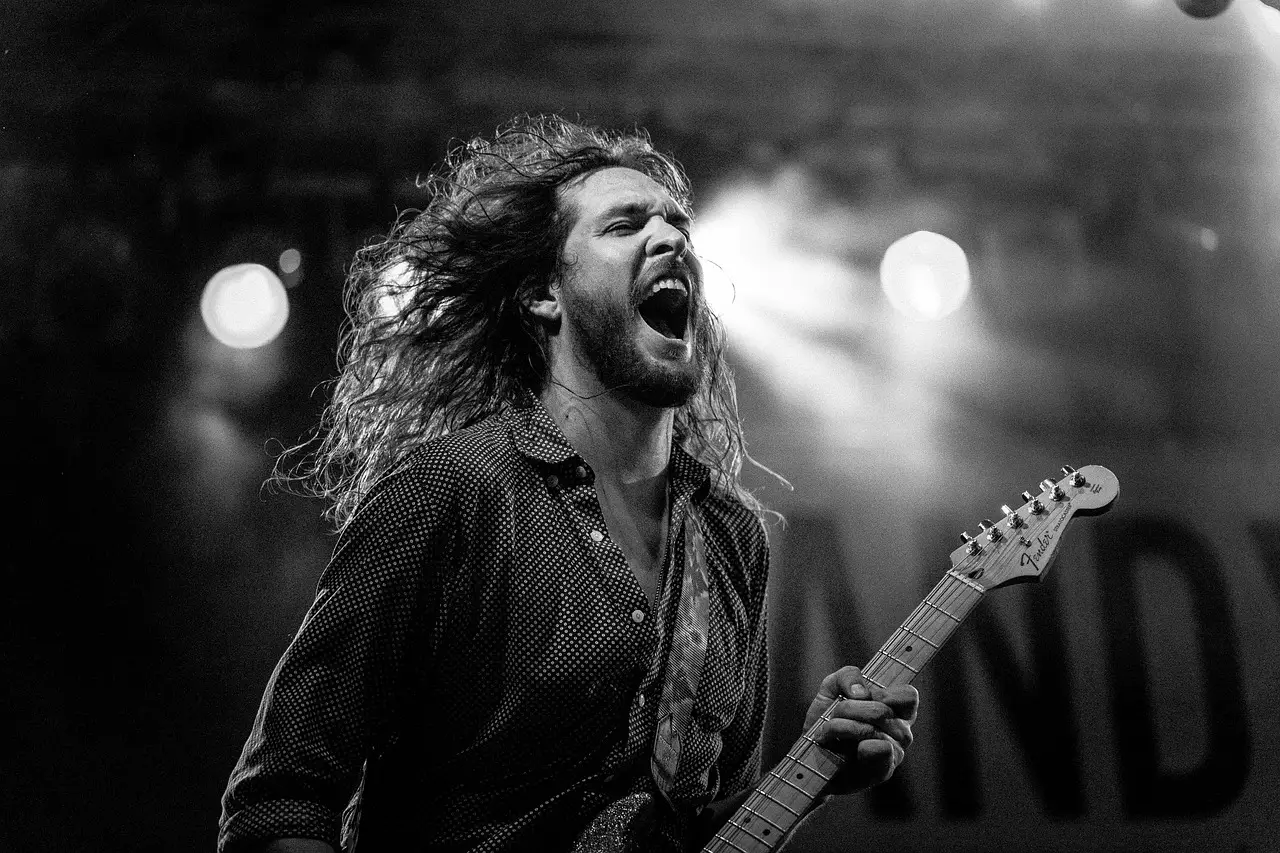
His sets remain improvised, without strict setlists. "I'm kneading the audience into position, like a baker," he says.
He has completed cancer treatment, soundtracked the Hermès catwalk at Paris fashion week last January, and soundtracked, too, a comeback. "I maintain control of my catalogue, I still have the enjoyment of making music, and I got through a huge disease. I feel blessed," he says. Hewlett's closing line in the film says the rest: "It feels like he's just getting started."
Original: youtube.com
More from Daniel Okafor
Show full bio
News editor covering companies, deals and strategy in arts in the broadest sense at Arts & Voices.
877 articles