Charlotte Gainsbourg plays Gisèle Halimi in Women on Trial
Charlotte Gainsbourg plays feminist lawyer Gisèle Halimi in Women on Trial, the story of the 1972 Bobigny case, and discovered her mother Jane Birkin marched in its cause.
Programme
- Charlotte Gainsbourg plays lawyer Gisèle Halimi in the film Women on Trial
- The film dramatises the 1972 Bobigny trial of 16-year-old Marie-Claire Chevalier over an illegal abortion
- Halimi, who died in 2020, also defended Chevalier's mother and two other women
- Abortion was decriminalised in France in 1975 under health minister Simone Veil
- Gainsbourg received a photo of her mother Jane Birkin at a 1972 pro-choice demonstration during filming
Charlotte Gainsbourg plays the feminist lawyer Gisèle Halimi in the new film Women on Trial, which dramatises the real-life prosecution of a child who had an abortion. The film reconstructs the 1972 Bobigny trial, held in a Paris suburb, where Halimi defended 16-year-old Marie-Claire Chevalier. Chevalier's mother and two other women who helped her obtain the abortion — then illegal in France — sat in the dock alongside her.
Halimi, a leading figure in French feminism and activism who died in 2020, turned the trial into a public reckoning. The case became a turning point in the campaign for reproductive rights in France.
What did Gainsbourg discover about her own family?
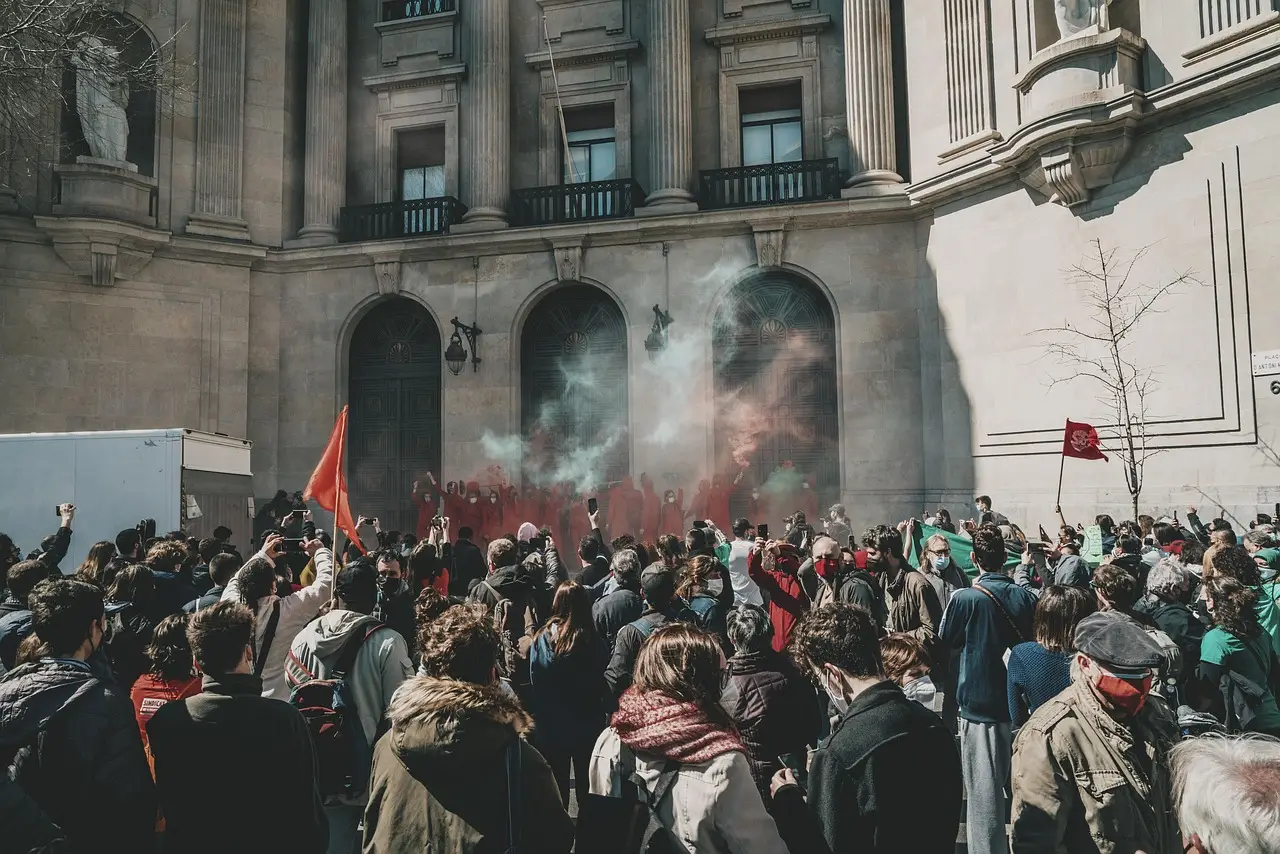
During production, someone sent Gainsbourg a photograph of her mother, the actor Jane Birkin, at one of the pro-choice demonstrations that erupted in France at the time. Seeing her mother in 1972, "looking beautiful and in the middle of a demonstration", was "very moving", Gainsbourg said.
The image connected the actor to the history she was dramatising — and to her own family's place in it.
Why was the trial new to her?
The Bobigny trial itself was unfamiliar territory for Gainsbourg. "I had no idea," she said. "For me, abortion rights started with Simone Veil" — the French minister of health who saw through decriminalisation three years after the trial, in 1975 — "so I had to catch up."
That gap in knowledge is part of what the film addresses. The Bobigny case preceded Veil's legislation and helped make it possible, yet it remains less remembered than the parliamentary battle that followed.
Who was Gisèle Halimi?
Halimi was a prominent Tunisian-born French lawyer, feminist and later an MP. At Bobigny she defended Chevalier, her mother and the two other women, arguing the case as a challenge to the abortion ban itself rather than as a routine criminal defence.
Gainsbourg steps into that role in Women on Trial, a part that required her to reconstruct a figure she admits she barely knew before filming began.
What else does the interview cover?
Gainsbourg's wider conversation, published in the Guardian's culture section, also touches on her family's exacting aesthetic standards — "The aesthetics in my family were so high, I felt ugly", she says of growing up as Birkin's daughter — as well as her criticism for her support of Israel and being pushed to her limits as an actor by Lars von Trier.
The interview situates Women on Trial within Gainsbourg's broader career, from her family inheritance to the directors who have tested her.
The film arrives as debates over abortion rights remain live in France and beyond, giving Halimi's 1972 defence — and Chevalier's story — fresh relevance for audiences who, like Gainsbourg herself, may be encountering the Bobigny trial for the first time.
Source: theguardian.com
More from Daniel Okafor
Show full bio
News editor covering companies, deals and strategy in arts in the broadest sense at Arts & Voices.
1,510 articles