China Miéville Wins Goldsmiths Prize for 1,264-Page Epic The Rouse
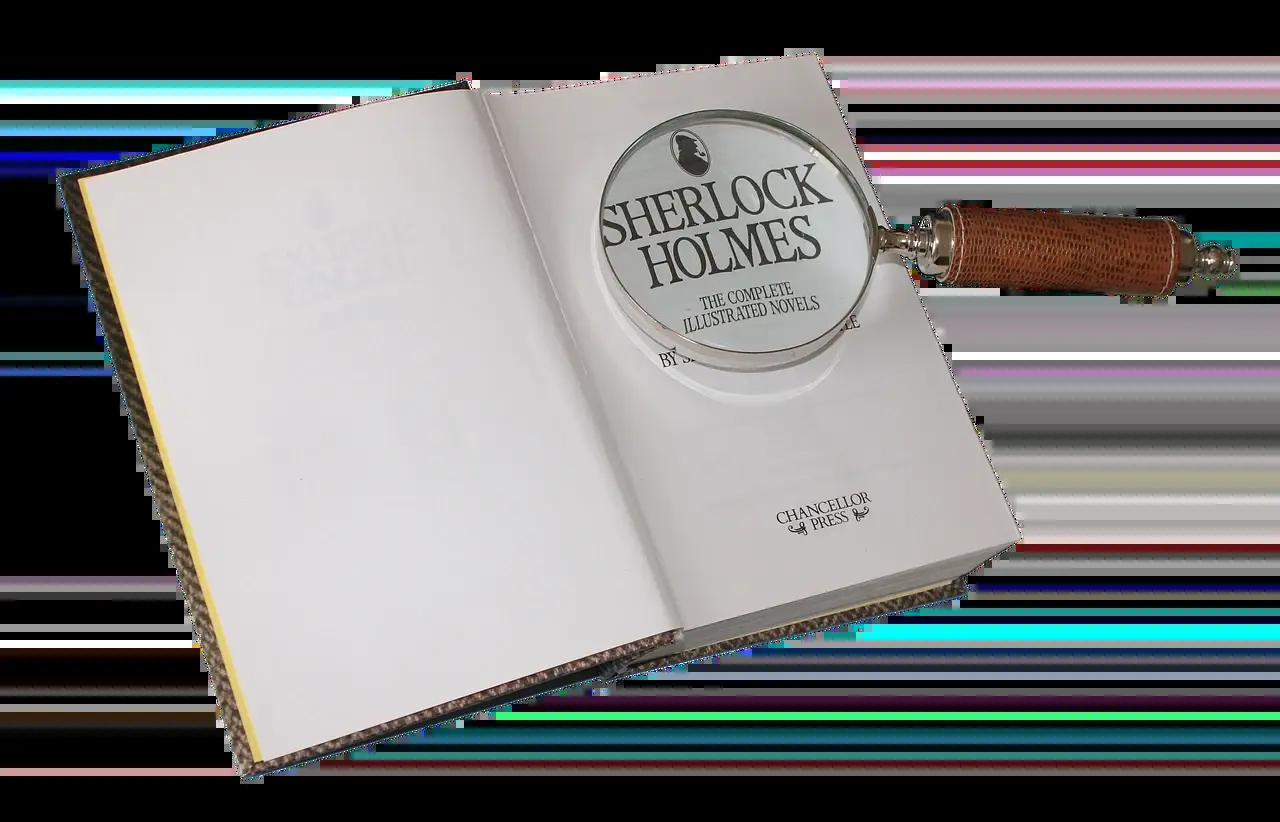
China Miéville has won the £10,000 Goldsmiths prize for The Rouse, a 1,264-page paranormal-historical epic 20 years in the writing — the longest novel ever to take the prize.

Programme
- China Miéville won the £10,000 Goldsmiths prize on Wednesday in London.
- The Rouse runs 1,264 pages, the longest winner since the prize launched in 2013.
- Miéville spent 20 years writing the novel; it opens in London in 1973.
- The book beat five shortlisted titles; the panel was chaired by Francis Spufford.
- Previous winners include Rachel Cusk, Ali Smith and Eimear McBride.
China Miéville has won the £10,000 Goldsmiths prize for The Rouse, a 1,264-page epic spanning decades of British imperial and cold war history. The award, announced at a ceremony in London on Wednesday, makes The Rouse the longest novel to win the prize since its launch in 2013.
The prize exists to reward fiction that "breaks the mould or extends the possibilities of the novel form". Miéville's book is part paranormal thriller, part historical saga. It was 20 years in the writing.
The novelist Francis Spufford, who chaired the judges, said all the shortlisted books were excellent, but "it seemed only right to give this year's Goldsmiths prize to the one that, in terms of ambition, bold use of history, linguistic experiment and sheer scale, broke most explosively with expectation".
Miéville has called the novel "the defining book of my life, that I've been writing for most of my adulthood", in an interview with the New Statesman, which co-founded the prize with Goldsmiths, University of London.
What is The Rouse about?
The novel opens in London in 1973. It follows Maur, whose son Ewan dies in an apparent suicide at an army barracks. As Maur investigates what happened, she finds allies among other bereaved families and a journalist, and gradually discovers the British state's covert interest in the paranormal. Her search runs alongside the story of a soldier with experience of supernatural forces.
In a review for the Guardian, Stuart Kelly called the book "maximalist, dense, disorienting and discomfiting", arguing that Miéville deserves comparison with Roberto Bolaño and Mircea Cărtărescu. Kelly described it as "affecting, intelligent and, in more than one place, very, very frightening".
What did the judges say?
The novelist Hari Kunzru, one of the judges, called the book "a monumental work" in which Miéville "sets himself the daunting task of describing phenomena that are indescribable, stretching language to its limits and pushing formal and genre boundaries".
"In a time when much fiction is careful to colour inside the lines, this enormous, exuberant, overflowing book is a reminder that the novel is capable of containing multitudes," Kunzru added.
Tanjil Rashid, culture editor at the New Statesman, said Miéville has spent his career giving "imaginative form to a distinctly weird vision of the world, deeply personal but also unashamedly political". He added: "Of all the awards he has won, this is the prize he was destined for."
The judging panel also included the writer and translator Kate Briggs and the journalist and former Evening Standard literary editor David Sexton.
Who did The Rouse beat?
The novel won against five other shortlisted titles:
- Polly Barton, What Am I, a Deer?
- Keith Ridgway, Dooneen
- Doireann Ní Ghríofa, Said the Dead
- Aea Varfis-van Warmelo, Attention Seeking Behaviour
- Missouri Williams, The Vivisectors
Now in its 14th year, the prize is open to novels by writers from, or resident in, the UK and Ireland that embody "the spirit of invention that characterises the novel genre at its best". CD Rose won last year's prize for We Live Here Now. Previous winners include Rachel Cusk, Eimear McBride, Ali Smith, Isabel Waidner and Benjamin Myers.
Miéville, who grew up in London, is known for novels including Perdido Street Station, The City & The City and Embassytown. He has won the Hugo, World Fantasy and Arthur C Clarke awards, and holds a Guggenheim fellowship. His nonfiction includes Between Equal Rights, a study of international law, and October, a history of the Russian Revolution. In 2024, he co-wrote a novel with the actor Keanu Reeves, The Book of Elsewhere.
What does this change for fiction's standing? Not much by itself — one prize, one book. But a 1,264-page experiment winning Britain's premier prize for formal invention signals that scale and risk still count for something in a market that increasingly favours the careful.
Source: Guardian Books
More from Tom Whitfield
Show full bio
Market editor covering people, launches and day-to-day practice in arts in the broadest sense at Arts & Voices.
1,038 articles