Cigarette Butts Became Jewelry on New York's Runway
Catalan designer Alba Navarro electroformed cigarette butts, soda cans and fishing lures into jewels for Fforme's September show at New York Fashion Week — her fourth collaboration with the label.
Programme
- Alba Navarro created jewels for Fforme's September show at New York Fashion Week.
- Fforme has used Navarro's jewelry in its last four New York Fashion Week editions.
- She opened her own studio, ANH Studio, in Torredembarra in 2024.
- The collection used electroforming to transform cigarette butts, soda cans, fishing lures and hardware into jewelry.
- Navarro trained in New York, Florence and Barcelona and lived in Brooklyn for ten years.
Cigarette butts walked the runway at New York Fashion Week in September — transformed into jewelry by Alba Navarro, a contemporary jewelry designer from Tarragona, Spain, born in 1987.
The American luxury label Fforme commissioned Navarro to create the pieces its models wore at its September show. Fforme has used her jewelry in its last four New York Fashion Week editions. This time, the brief pushed her somewhere stranger: take discarded objects nobody would expect on a catwalk and give them a second life.
The starting point was Judy Blame, the British stylist and jewelry maker who worked with whatever he found, without rules, and became a reference point of the 1980s. "Queríamos encontrar objetos descartados que nadie imaginaría ver en una pasarela y llevar esa búsqueda lejos, con un espíritu realmente punk," Navarro told EFE.
How do you turn a cigarette butt into a jewel?
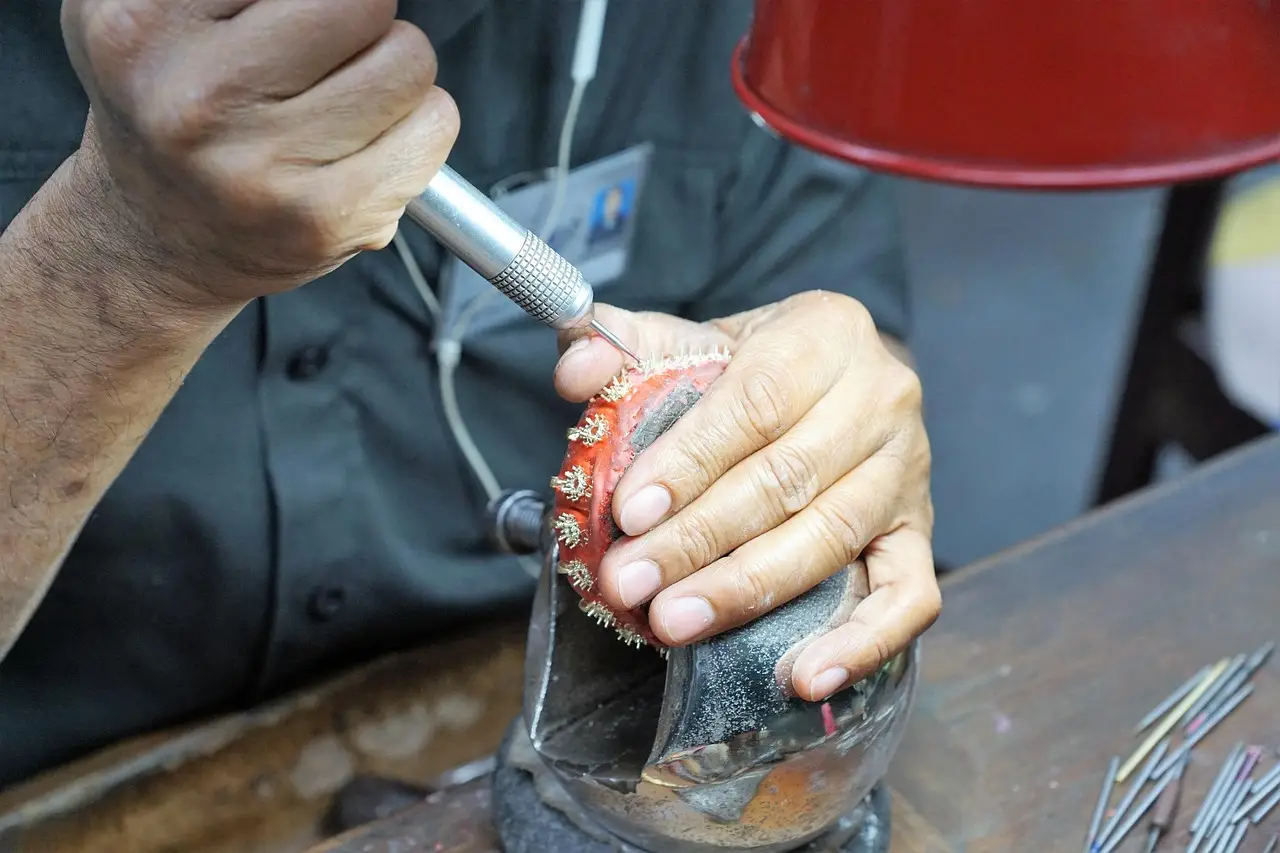
Navarro works from ANH Studio, the workshop she opened in Torredembarra in 2024. Her tool of choice is electroforming (a process that coats an object in metal through an electric current, building a shell around it).
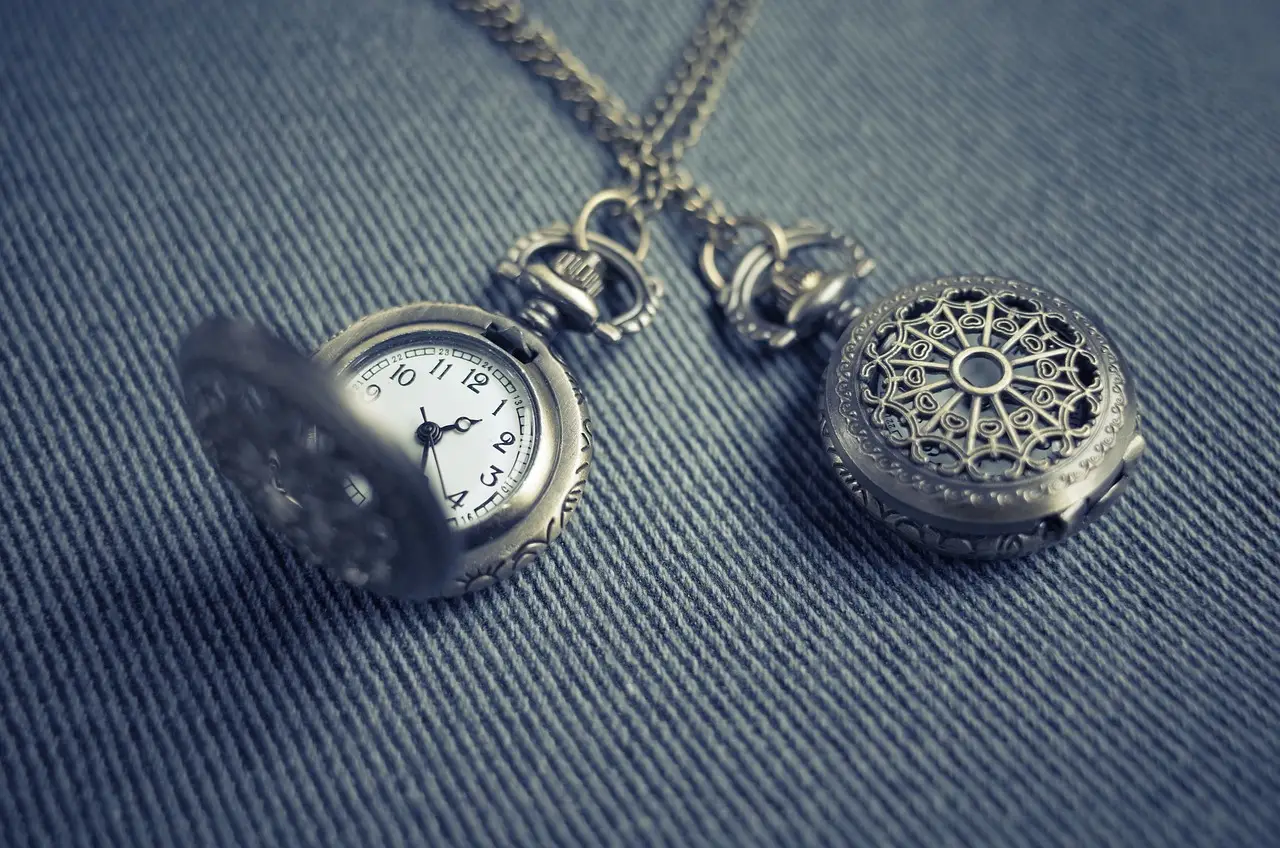
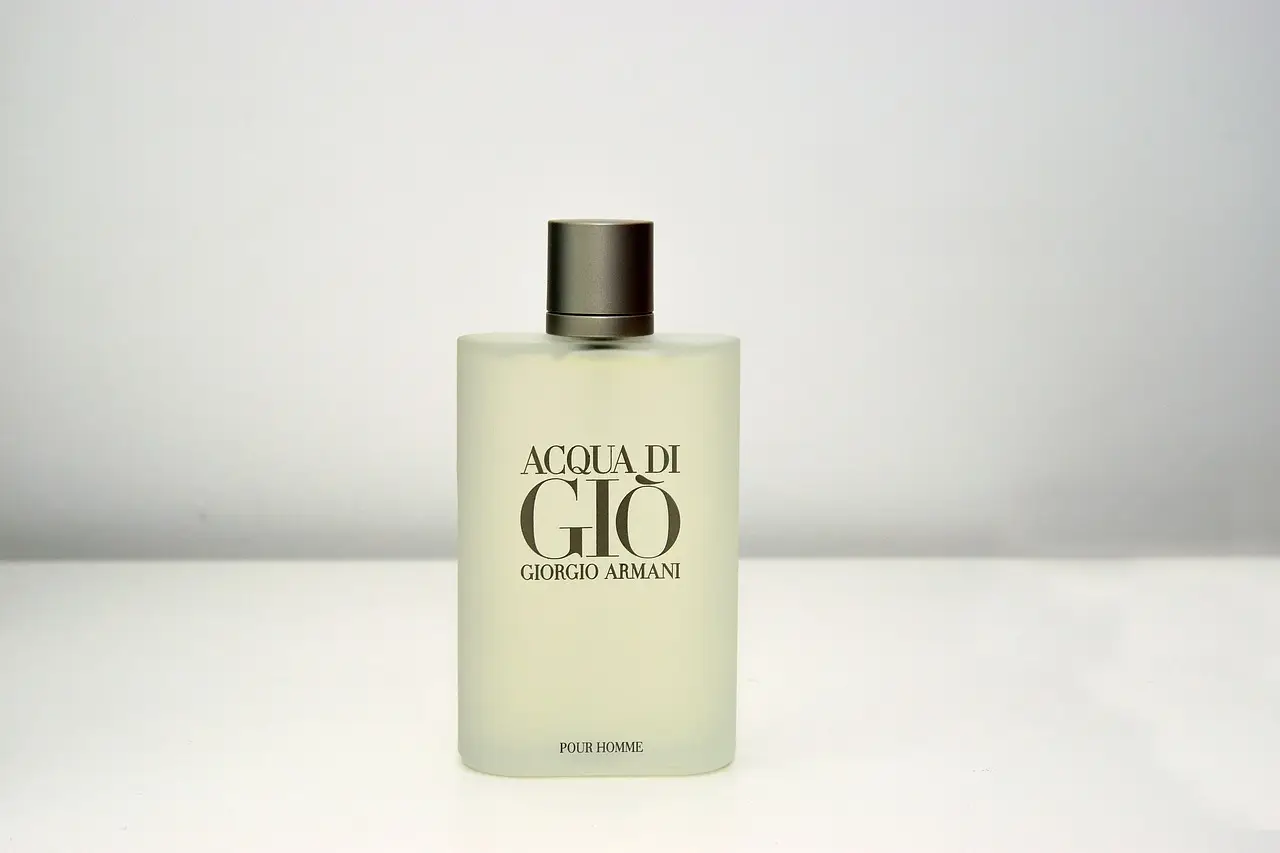
Using that technique, she converted cigarettes, small perfume bottles, fishing lures, signet rings, safety pins, whistles, thimbles, oversized sleigh bells, champagne bottle caps, soda cans and hardware pieces into a jewelry collection for the autumn and spring seasons.
The butts were her "most unexpected" find. "En una conversación nos preguntamos: ¿qué objeto descartarías sí o sí? Y dije las colillas, un poco en broma," she said. Curiosity won. She picked some up, prepared them, sealed them, electroformed them and worked them like any other jewel.
"El resultado nos sorprendió tanto que acabaron desfilando. Eso era lo interesante: descubrir hasta dónde podíamos transformar un objeto al que, en principio, nadie daría una segunda oportunidad," she added.
What does the work actually involve?
Navarro says she can't know whether an object will work as jewelry until she starts to "play" with it. "Hay que tener la mente abierta, mucha imaginación y no descartar una idea demasiado pronto," she said.
She looks at form, texture and how a piece combines with other elements. Weight is one of the hardest limits, especially for earrings. Then there are the practical questions: how the piece attaches, how it balances, how it moves with the body. "Probar y encontrar soluciones es una parte fundamental del trabajo: puedes tener una idea que te encanta, pero tienes que hacer que funcione," she said.
Her research process was deliberate. "Empecé a investigar, buscar referencias en libros, compartir ideas y recolectar materiales y objetos con formas e historias interesantes. Me interesaba verlos más allá de cumplir una función, sacarlos de su lugar y descubrir qué podían llegar a ser sobre el cuerpo," she explained.
A Brooklyn decade behind the Catalan workshop
Navarro trained at specialized centers in New York, Florence and Barcelona. She then spent ten years in Brooklyn, exploring the relationship between matter, gesture and movement through pieces that combine organic forms, found materials and experimental metal-transformation processes.
In 2024 she opened her own studio in Torredembarra, from which she now creates jewelry with international reach. Seeing the finished work in context still moves her. "Después de tantas horas en el taller, ver las piezas con la ropa, sobre los cuerpos y en movimiento es muy emocionante. Pienso que todo esto ha salido de mi pequeño estudio y soy consciente de lo especial que es estar ahí," she said.
Her jewels, she stresses, have no gender. "Van dirigidas a cualquier persona que conecte con una pieza y que aprecie la historia, el trabajo y la artesanía que hay detrás. Me gusta pensar que cada persona termina de darle sentido cuando la lleva y la hace suya."
With Fforme now a repeat client across four seasons, Navarro's small-town workshop has become a fixture of one of fashion's biggest stages — proof that the raw material matters less than what a maker sees in it.
Source: diaridetarragona.com
More from Grace Kim
Show full bio
Correspondent covering technology and product news in arts in the broadest sense at Arts & Voices.
1,754 articles