Cleveland Museum of Art to Debut Updated ArtLens App in November
The Cleveland Museum of Art plans a November debut for an updated ArtLens app that scans collection objects and surfaces museum information, part of museums’ wider use of A.I.

Programme
- In November, the Cleveland Museum of Art is set to debut a new version of its ArtLens app.
- Visitors can scan any collection item with their phones and access all information the museum holds about it.
- Museum director Bill Griswold called A.I. “an essential tool” for museums.
- Museums use A.I. to tag, describe and sort digitized collection objects.
- A.I. also makes search and discovery gamelike, facilitates navigation and supports personalized visits.
Daniel Okafor
In November, the Cleveland Museum of Art is set to debut a new version of its ArtLens app, turning visitors’ phones into personal curators.
The launch extends a change already under way in museums. Institutions use artificial intelligence (A.I.) to prepare searchable collection records and shape the visit itself. The public test will come when ArtLens lets visitors scan objects across the museum.
In a recent video interview, museum director Bill Griswold called A.I. “an essential tool” for museums. The label fits the work described in the announcement. It also sounds slightly grand for a tool that must win a visitor’s attention one scan at a time.
What does the November launch change?
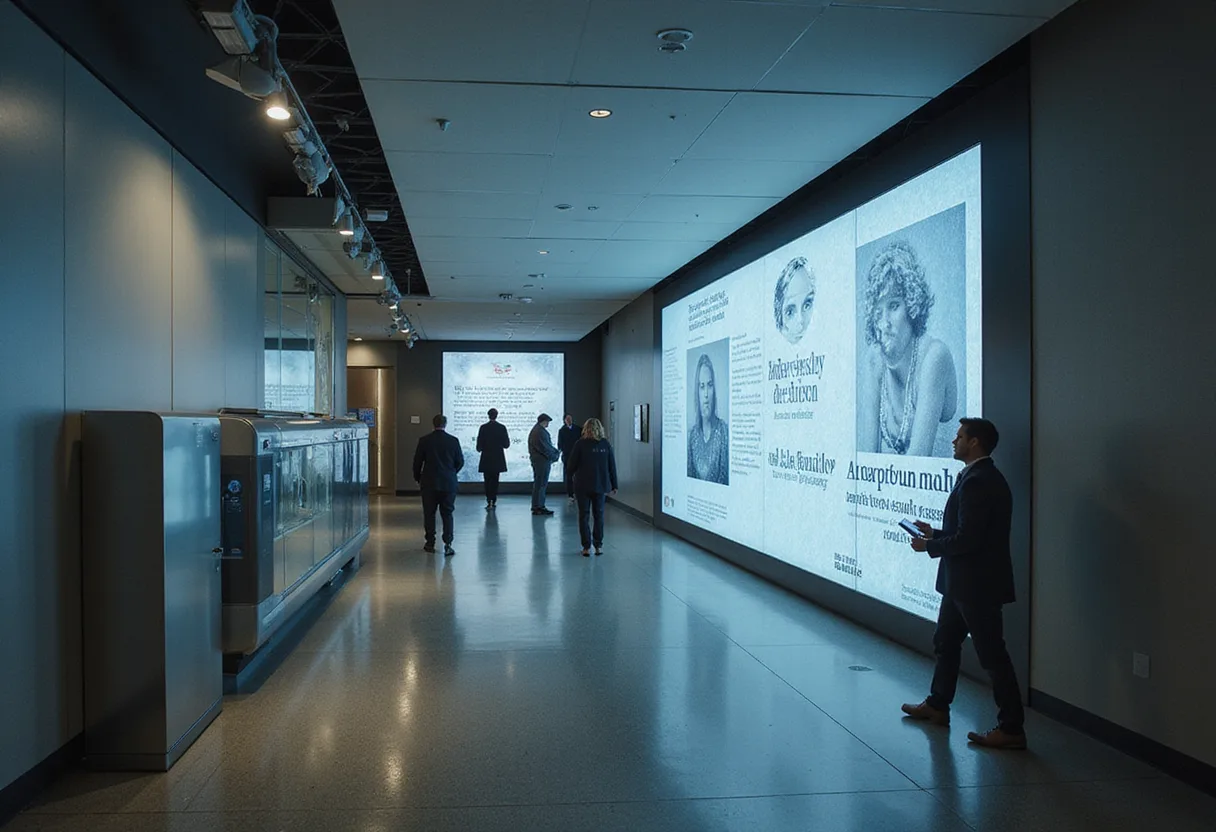
The new version builds on an app that already lets visitors connect to A.I. displays in the introductory ArtLens gallery. Visitors will hold up their phones to any collection item in the museum, tap the scan button and access all the information the museum holds about it.
In practical terms, the phone becomes a personal curator: a device that retrieves the museum’s information for each visitor. The value lies in timing. The information reaches the visitor at the moment of looking, without turning every object into a separate research errand. The phone carries the lookup. The visitor stays with the artwork.
The announcement is clear about the workflow and quiet about proof. It gives no launch year, technical supplier, usage target or measured result for visitors or staff.
It does not say how quickly scans work, which records are complete or what happens when the museum lacks information. Those omissions do not cancel the launch. They do make Griswold’s word an operating claim rather than a demonstrated outcome.
Why did museums turn to A.I.?
Museums exist to preserve treasures of history and creativity and make them accessible to all. Until the pandemic, that work was mostly a matter of bringing people through museum doors. When Covid confined many people to their homes, bringing art wherever they were became urgent.
Generative artificial intelligence, or generative A.I., is now driving the next stage. Some museums use it to make phones serve as personal curators. The sequence is telling. First, access largely meant getting people through the doors. Then, Covid made remote access urgent. Now institutions are trying to personalize the experience within the building.
That progression changes what access means. It is no longer only about physical entry or bringing art to those at home. It now includes search, discovery, navigation and personalization. The technology is useful, but the larger project remains institutional: making existing knowledge easier to reach.
What does A.I. do behind the app?
Museums use A.I. to tag, describe and sort objects in digitized collections, meaning online records of their holdings. They also use it to make search and discovery gamelike and to facilitate navigation. The visitor-facing scan is one visible result of work that also organizes the collection’s information.
The distinction matters. Tagging, describing and sorting prepare the underlying records. Search, discovery and navigation shape how visitors encounter them. Personalization adds the individual layer, letting institutions adapt the experience to each visitor.
Griswold’s phrase covers both halves. The museum needs A.I. to manage information and to mediate the visit. That is a broad claim. The ArtLens launch gives Cleveland a practical way to test it.
What should the launch demonstrate?
The feature forms part of a Fine Arts & Exhibits special section on how museums are pushing boundaries. Its strongest evidence is specific: a named institution, a November debut, an existing introductory gallery and a phone-scan workflow. Its evidence of impact is thinner. No visitor numbers, staff results or comparative outcomes are reported.
ArtLens can make scanning feel immediate and useful without proving that the technology changes how visitors engage with art. The meaningful evidence will come after launch, when Cleveland reports whether visitors use the scans and what the museum learns from that use.
Until then, “personal curator” remains a product promise. The next test is whether visitors keep scanning.
Source: NYT Arts
More from Daniel Okafor
Show full bio
News editor covering companies, deals and strategy in arts in the broadest sense at Arts & Voices.
1,051 articles