Connor Storrie Bides His Time in 'April X,' a Generic Clone-Thriller Debut
Connor Storrie shoulders a grim clone-trafficking thriller shot in Bucharest's brutalist blocks, riding his 'Heated Rivalry' fame to a theatrical release that outclasses the film itself.

Programme
- "April X" is Connor Storrie's first film released since TV's "Heated Rivalry" made him a star.
- The film marks the feature-length debut of writer-director Michel K. Parandi, co-writing with Jack Coulter.
- Shot on location in Bucharest, it co-stars Lilly Krug and Serban Pavlu, with lensing by Nathan Haugaard and production design by Oana Novicov.
Connor Storlie burns through "April X" — his first film vehicle since television's "Heated Rivalry" made him hot property — with borrowed style and clenched resolve, but the film gives him almost nothing to work with. That is the verdict of Guy Lodge's review in Variety, which finds the actor "capably shoulders a grim, po-faced tale of human cloning and trafficking in a greige dystopian future" while projecting "the aura of a working actor dutifully waiting for something better to come along."
That something better did arrive — hence, in the review's sharp phrasing, "job done." "April X" is hardly an embarrassing blot on Storrie's résumé, but the review predicts it will be forgotten long before the second-season premiere of the queer hockey phenomenon that made him famous. Only his most committed new fans, Lodge suggests, will venture out for it. Yet the film has secured a theatrical release, escaping the straight-to-VOD morass that "would appear to be its natural habitat."
For writer-director Michel K. Parandi, making his feature-length debut, the stakes are higher and the results more mixed. The film shows off "some resourceful technical ability on a cramped budget." But the script, co-written with regular collaborator Jack Coulter, disappoints: it welds together "story scraps from other, better films to rather turbid, uninvolving effect." The review situates it in the same genre space as Agnieszka Smoczynska's recent "Hot Spot," another scrappy, patched-together vision of compromised identity in the near future — a misfire itself, but one whose "imaginative eccentricity would still be welcome here."
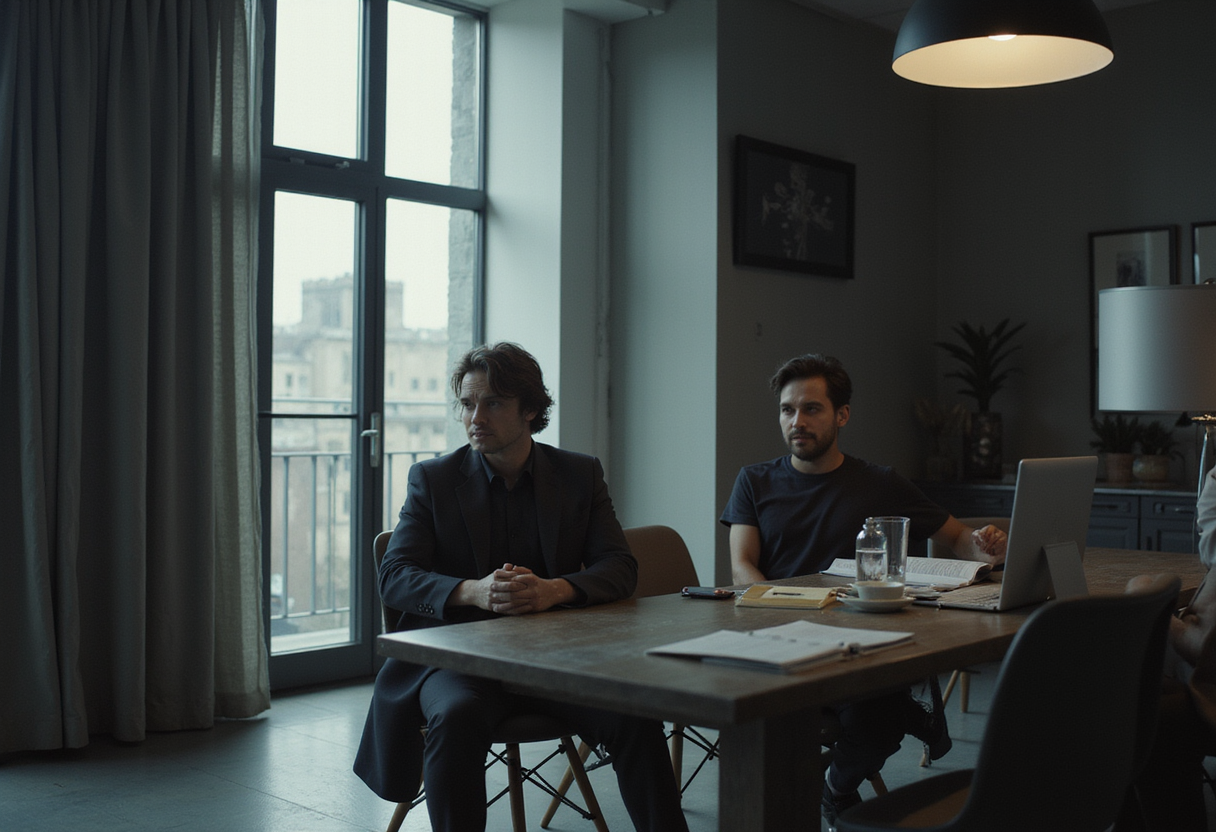
The year is unspecified. So is the location, though "April X" was shot on location in outer Bucharest, using the present-day wear and tear of the Romanian capital's fatigued brutalist housing blocks "as shorthand for a world collapsing into concrete ruin." The odd hi-tech drone lends the exteriors some futuristic pizzazz, but the new technologies driving the narrative are anything but gleaming. People are cloned in grubby, shadowed fashion. Memories and dreams can be captured and downloaded onto surprisingly retro-looking data devices.
In this grimy waking nightmare, twins Baxter (Storrie) and April (German actor Lilly Krug) barely eke out a living through sketchy jobs, some more criminal than others. Baxter traffics organs on the black market. April has a rare gift for dreaming: at a time when nobody else has slumber visions, hers are "enviably lucid and vivid, to a marketable degree," and she sells them to clients seeking her sensations. The review concedes the premise is not fresh — "paging 'Strange Days'" — but calls it one of the film's more fertile ideas, one that goes "frustratingly unexploited" as the story keeps probing a single glum reality.
The plot centers on Baxter. His underworld dealings run him afoul of local gangster Klein (Serban Pavlu), and the twins' combined savings cannot allay the severe consequences. April disappears. Baxter's desperate search begins — and is still ongoing when the story lurches five years into the future. The world looks much the same; his hair is briefly longer. April, however, has seemingly been cloned into a number of identikit sex workers. Whether her brother can locate her soul in any one of them, or implant it via her recorded memories, is the film's big existential question. Yet, the review notes, the characters "aren't drawn with enough warmth or personality for us to really care either way."
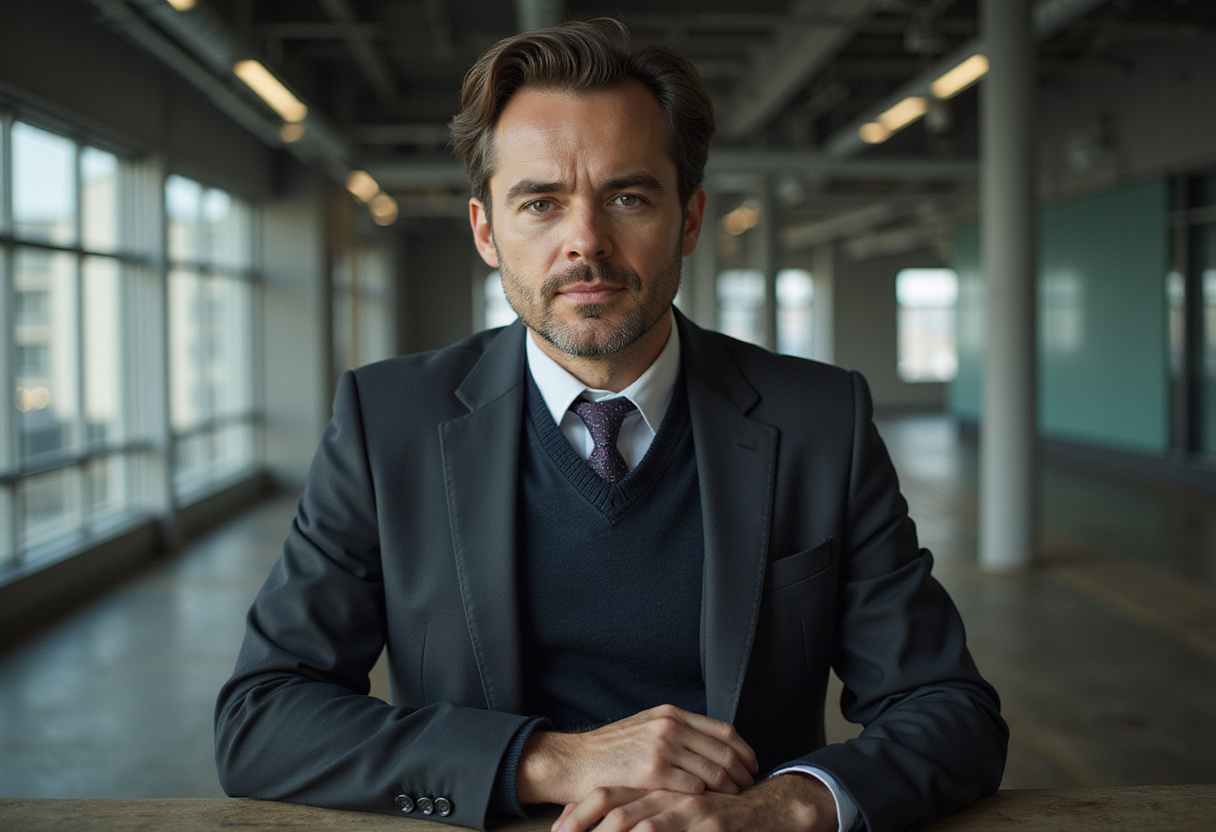
Storrie soldiers through it all with a clenched jaw and a steely gaze. Nathan Haugaard's sheeny widescreen lensing and Oana Novicov's distressed production design ensure the film looks pretty good, but "April X" lacks the granular particulars and textures that might make its world believable. The narrative stays just cohesive enough, though the details of Baxter's life and livelihood remain so muddy that he never fully commands attention. Parandi's film winds up outlining a dystopia "more dull than devastating," the review concludes — "though perhaps that's the future we should really be fearing."
For Parandi and Coulter, "April X" now serves as a calling card of technical resourcefulness on a tight budget; whether their writing matures to match it will determine what comes next.
Source: Variety Film
More from Elena Vasquez
Show full bio
Senior reporter covering media and advertising at Arts & Voices.
291 articles