Curry Barker Explains How a Long Take Turns a Party Game Into Horror in 'Obsession'
Writer-director Curry Barker breaks down the pivotal party scene in the Peacock thriller 'Obsession,' explaining how lingering shots and a public setting turn awkwardness into horror.
Programme
- Curry Barker is the writer and director of 'Obsession,' streaming on Peacock.
- Barker said he chose to 'stay on frames a little longer than you typically would' to make viewers uncomfortable.
- The party scene ends with a shocking act of violence that serves as the film's turning point.
- The 'Anatomy of a Scene' series includes more than 350 videos on YouTube, with new episodes on Fridays.
Curry Barker, the writer and director of the Peacock thriller "Obsession," built the film's turning point around a party game gone wrong. In a new installment of the "Anatomy of a Scene" video series, released on a Friday as part of an ongoing collection, Barker explains how he made a sad face terrifying.
The premise of "Obsession" rests on a novelty item called the One Wish Willow. In the film, streaming on Peacock, the character Bear, played by Michael Johnston, uses the device to wish that his longtime crush Nikki, played by Inde Navarrette, would love him more than anyone. The wish comes true to sinister effect.
What makes the party scene so uncomfortable?
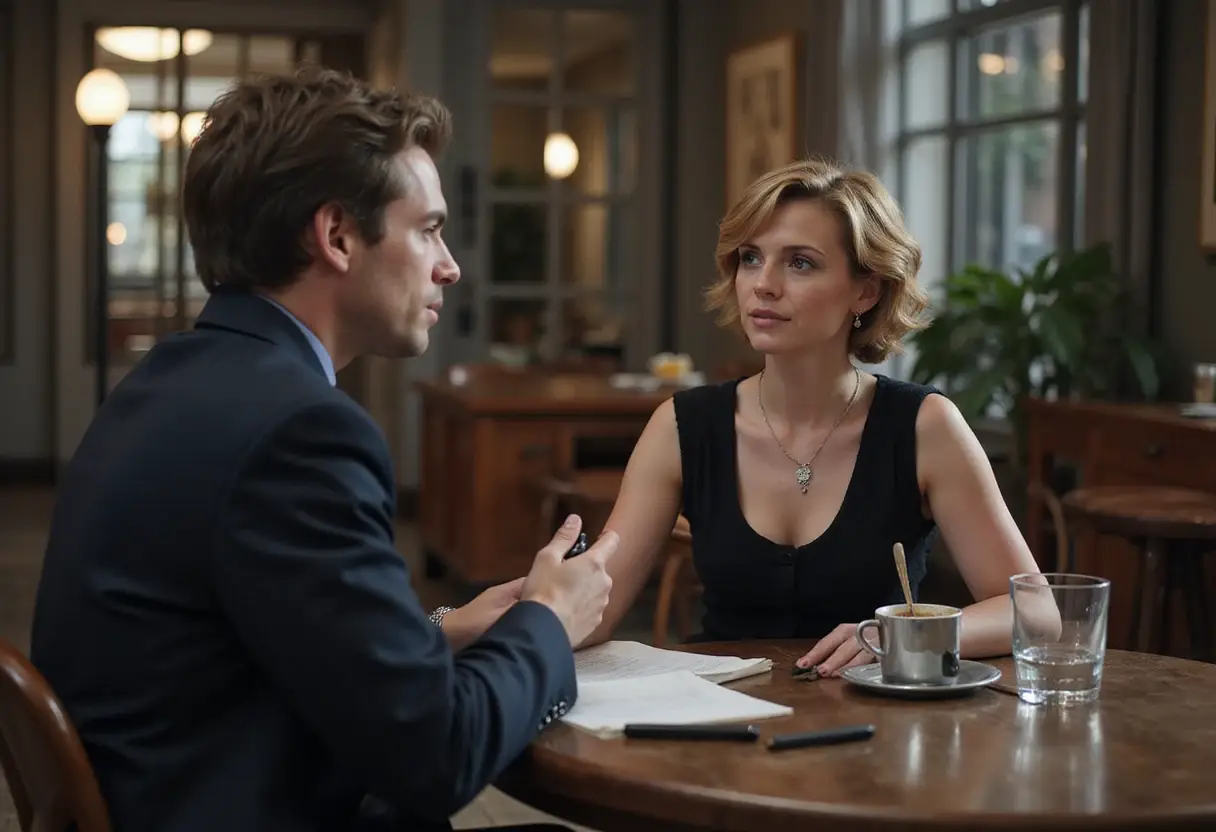
By the point in the film where the scene takes place, Nikki's behavior has already grown unnerving. In this sequence, she crashes a get-together Bear is attending and causes a stir during a party game. The disruption creates tension throughout the entire room.
Barker's directing choices amplify that tension. In the interview, he said: "I really wanted to capture the awkwardness of the situation." To heighten the discomfort, Barker opted to "stay on frames a little longer than you typically would to kind of linger and make you feel uncomfortable." The hold on each shot is deliberate. Barker wanted the audience to feel like party guests themselves, wallowing in the same awkwardness the characters on screen are experiencing.
The technique is simple in description and exacting in execution. Most filmmakers cut away from an uncomfortable moment. Barker lingers. The extended frames deny the viewer relief and stretch the social tension of the party game past the point of politeness.
Why stage the film's shock at a party?
The scene ends with a shocking moment of violence that propels the narrative forward. Barker said the setting was a conscious structural choice.
"I wanted the party scene to be a big turning point in this movie, and I thought, if there's going to be something horrific that happens, I want it to take place in a public forum like a party," Barker said. "I thought it'd be really interesting to see her in her full craziness."
The logic is grounded in exposure. A private setting would contain the horror. A party multiplies it. Every guest becomes a witness, and the social pressure of the game becomes the frame within which Nikki's full unravelling is displayed.
Where to watch the breakdown
The "Anatomy of a Scene" series asks directors to reveal the secrets behind key scenes in their movies. New episodes arrive on Fridays. The collection includes more than 350 videos on YouTube. The series is produced by Mekado Murphy, who writes about the world of movies for the publication.
Readers can also consult the "Obsession" review, and the Movies Update newsletter offers a roundup of reviews, news and Critics' Picks.
What the scene reveals about the film's method
The breakdown shows a director working with restraint rather than spectacle. Barker's tools are duration, framing and social setting. He withholds the cut, places the horror in a crowded room and lets the audience sit inside the discomfort. The takeaway in plain words: in "Obsession," the scariest thing at the party is not what Nikki does, but how long the camera refuses to look away.
Source: NYT Arts
More from Elena Vasquez
Show full bio
Senior reporter covering technology and product news in arts in the broadest sense at Arts & Voices.
935 articles