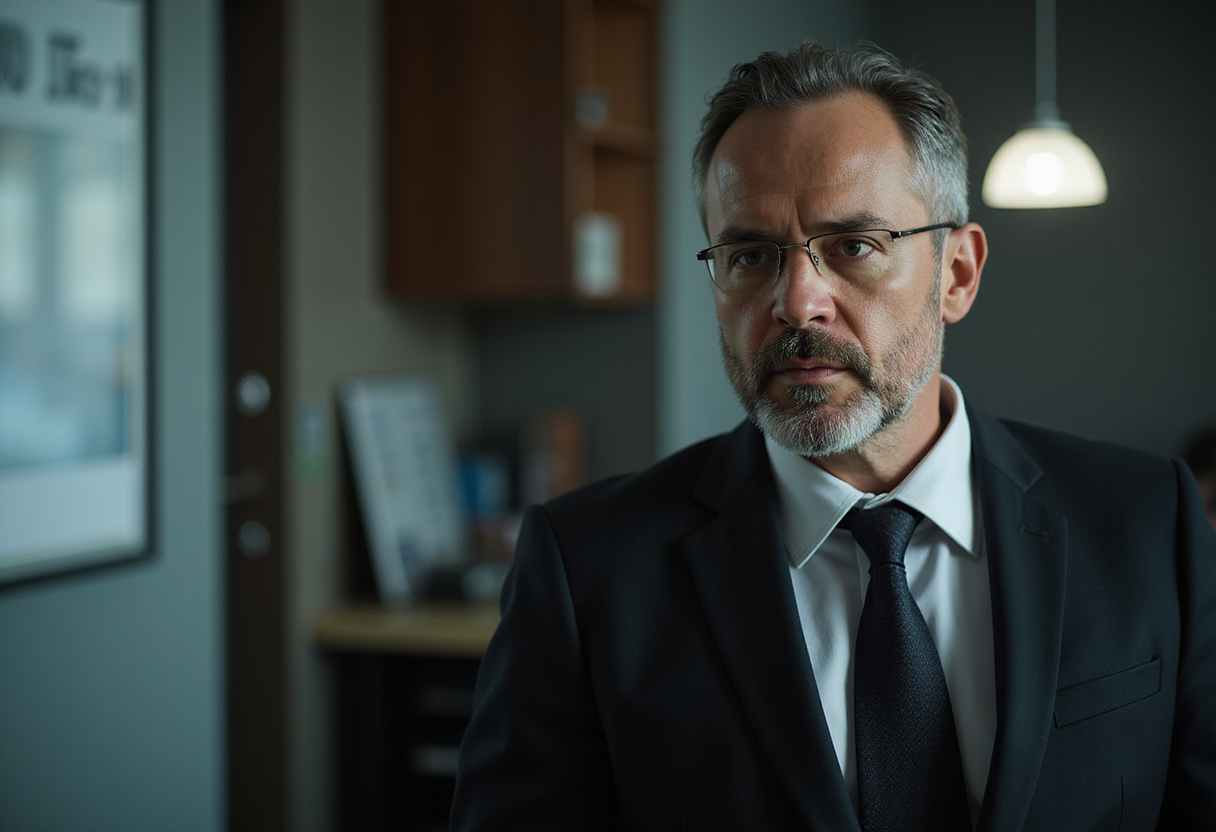
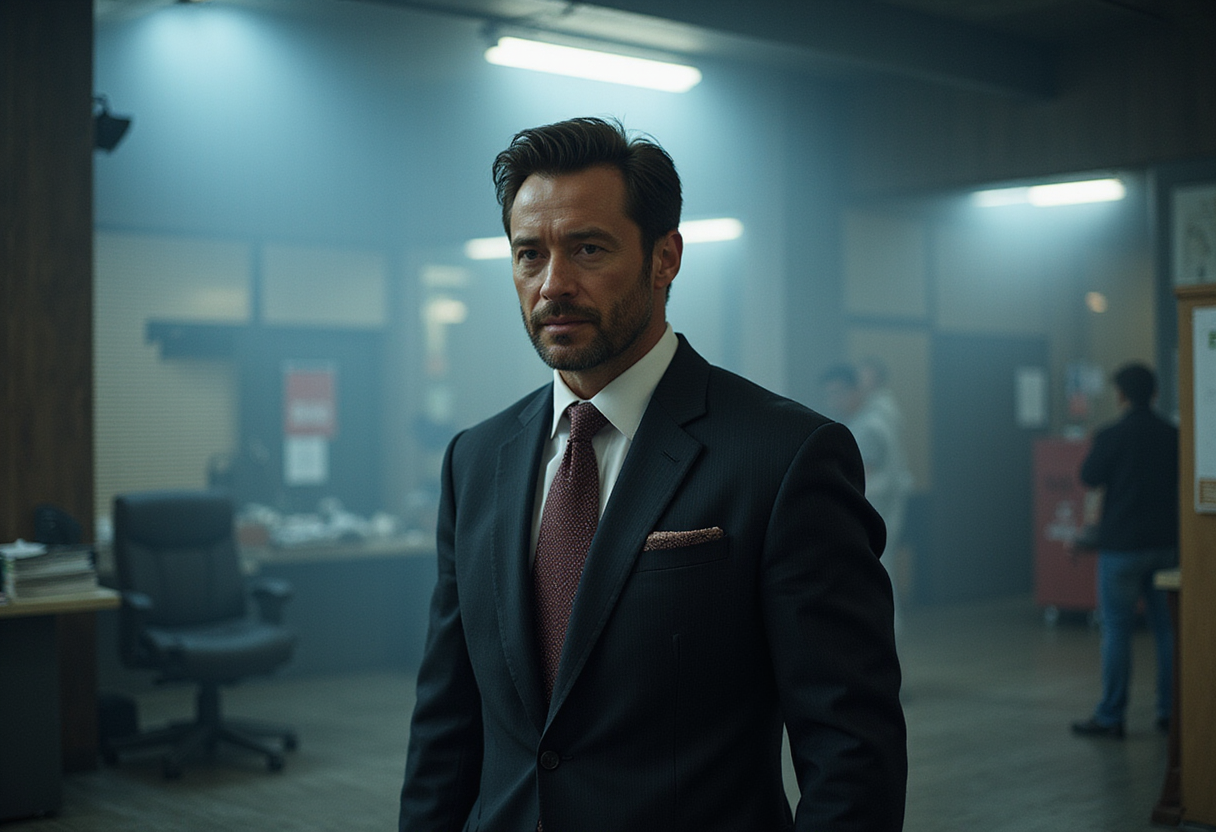
David Fincher Will Let His Netflix Deal Expire in 2027
Fincher's Netflix pact ends in 2027 after "Cliff Booth," closing a decade that began with "House of Cards" and produced "Mank" and "The Killer" — but no theatrical films since "Gone Girl."
Programme
- David Fincher will not renew his Netflix deal when it expires in 2027 after the release of "The Further Mis-Adventures of Cliff Booth," per Bloomberg.
- Fincher has not made a theatrical movie since 2014's "Gone Girl"; "Cliff Booth" gets a theatrical rollout this Thanksgiving before hitting Netflix around Christmas.
- "The Killer" drew more than 12 million views in the first half of this year, according to Netflix's What We Watched engagement report.
David Fincher will not renew his overall deal with Netflix when it expires in 2027, following the release of his next film, "The Further Mis-Adventures of Cliff Booth," as first reported by Bloomberg.
The exit puts an unofficial cap on a decade-long partnership that began after a "World War Z" sequel — originally slated for release in 2017 — collapsed. Since signing with the streamer, Fincher has not made a theatrical movie. His last film released in cinemas was 2014's "Gone Girl." Under the Netflix deal, he directed two features, "Mank" and "The Killer," produced the series "Mindhunter" and the anime anthology "Love, Death & Robots," and has a third feature, "Cliff Booth," on the way. A teased "Squid Game" spinoff may or may not materialize.
The departure does not necessarily end the Fincher era at Netflix. He could still make his next movie at the streamer, and he currently has no deal elsewhere — unlike two other big-name directors who just exited their Netflix pacts: Noah Baumbach, who is moving to Warner Bros.' Clockwork, and Shawn Levy, who is shifting his TV deal to Disney.
The partnership began with "House of Cards," which Fincher produced and for which he directed two episodes. The series became Netflix's — and streaming's — first major hit and proof that the bingeing model Netflix pioneered had a future. Netflix gave Fincher creative control, a massive budget, and a two-season order before a pilot had been shot. The show's success established Netflix as a prestige TV player alongside HBO, with Fincher as the linchpin. He compared working with Netflix at that stage to the way auteurs at Warner Bros. worked in the 1970s — free to make what was discussed, with no questions asked and no studio notes.
Before Netflix, Fincher had spent roughly seven years between the late 2000s and early 2010s looking like one of Hollywood's great auteurs: a forward-looking talent who embraced digital cinema early, a perennial Oscar contender, and a filmmaker who could make dark, pulpy, substantive films with commercial appeal. "Zodiac," "The Social Network" and "Gone Girl" anchored that run.
The Netflix years produced work that would have struggled to exist elsewhere. "Mank," a black-and-white biopic about the boozing cowriter of "Citizen Kane," won two crafts Oscars and earned nominations for Best Picture and Best Director. Few legacy studios would have embraced it, but Netflix and then-film chief Scott Stuber did. "The Killer," a smaller-scale, moody, character-driven caper, spent four weeks on Netflix's Global Top 10; the streamer's What We Watched engagement report for the first half of this year showed more than 12 million people watched it in that six-month span.
Television and animation were other frontiers the deal opened. "Mindhunter" landed highly on the New York Times poll of the best shows of the 21st Century, but the high cost of its period setting meant a third season never materialized — and despite frequent interview questions, Fincher does not seem determined to revive it.
The split may say as much about Netflix as about Fincher. Film chief Dan Lin has faced a perception, fair or not, that he is more populist and less willing to fund big-name auteurs than Stuber was with Fincher and Baumbach. Even so, Lin has rolled out the red carpet for Greta Gerwig and bought ambitious Cannes titles such as "La Bola Negra" and "Emilia Perez."
One variable could reshape the narrative: "Cliff Booth" itself. Netflix will give the film a proper theatrical rollout this Thanksgiving before it lands on the platform around Christmas. Fincher directing a Tarantino-scripted sequel to "Once Upon a Time in Hollywood" — the project that will end his theatrical drought — was, as the source put it, one of those "pinch-me, can't believe this isn't an April Fools Day prank" announcements. If the movie delivers, it could change how Fincher's Netflix legacy is judged — an era that, for better or worse, won't carry the same iconic films as the ones that came before it.
Original: pmc.com
More from Elena Vasquez
Show full bio
Senior reporter covering media and advertising at Arts & Voices.
289 articles