Descendants of Enslaved and Enslavers Publish 'Entangled Past' Repair Model
Nicole Phillip and Laura Trevelyan's 'Entangled Past' details a Grenada apology, a £100,000 fund and a model for slavery reparations, published as UK-Caribbean dialogue begins.
Programme
- Nicole Phillip and Laura Trevelyan published 'Entangled Past' the same week the UK announced a year-long structured dialogue with the Caribbean.
- Trevelyan ancestors enslaved more than 1,000 people in Grenada and were compensated when enslavement was abolished.
- The Trevelyan apology in Grenada in 2023 was the first of its kind in the British Caribbean.
- Laura Trevelyan paid £100,000; the wider family's Trevelyan Grenada Reparations Fund now funds university degrees for Grenadian students.
- The first contact between the authors was an email sent by Trevelyan in 2022.
By Grace Kim, Arts & Voices
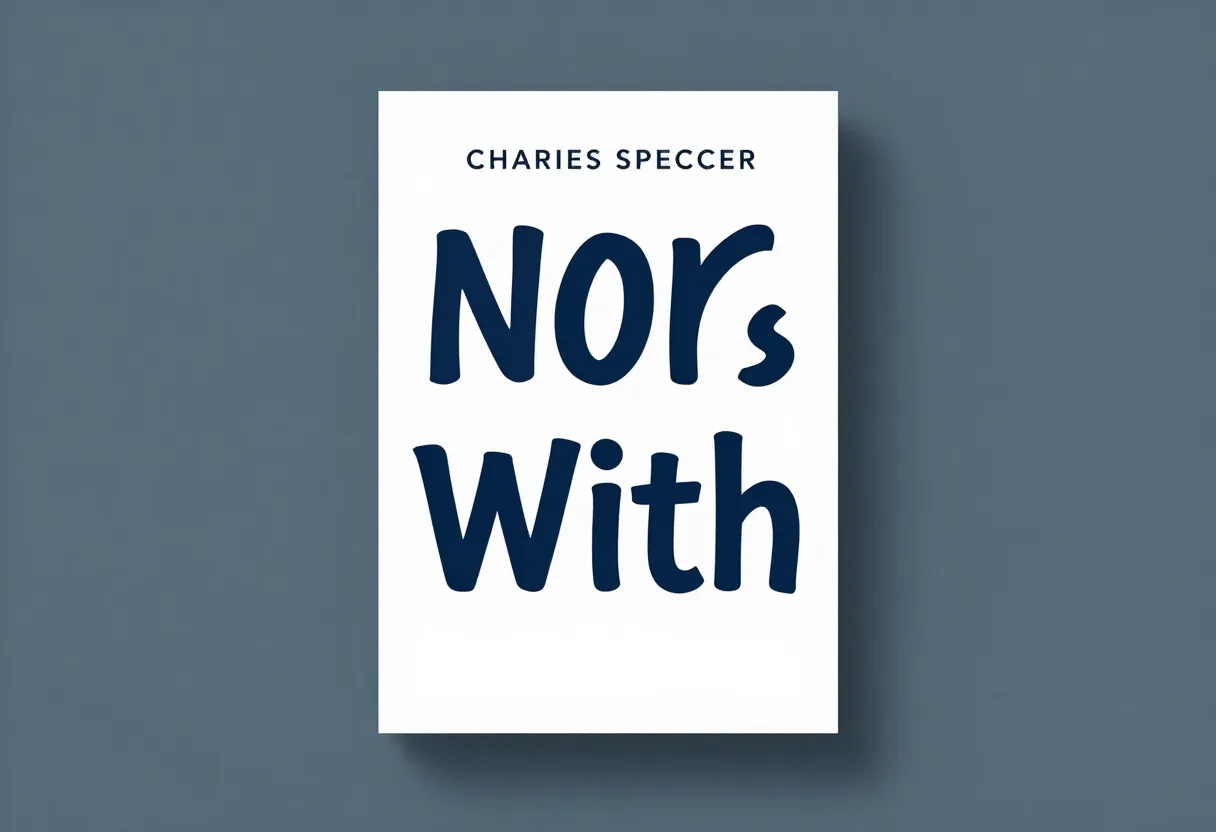
A new book by a Grenadian historian and a British descendant of enslavers argues that slavery reparations can work when both sides sit down at the same table. Entangled Past, by Nicole Phillip and Laura Trevelyan, traces a journey that began with a single email in 2022 and ended with the first family apology of its kind in the British Caribbean.
The timing is sharp. The book appeared in the same week that the UK prime minister, Andy Burnham, said he was open to a formal British apology while ruling out financial reparations — and announced a structured dialogue between Britain and the Caribbean, due to run over the next year. What does that change for families weighing their own reckoning? Quite a lot, according to the authors: they describe the Trevelyan apology as "a concrete example of what can be achieved, when descendants of the enslaved and descendants of enslavers sit down together and ask how to confront the past and work towards a better future."
How the story started
Trevelyan, then a BBC journalist, learned of her family's role in enslavement when a cousin she had never met emailed her. Their ancestors had been identified as enslavers in a University College London database. Her own research followed: the Trevelyans had held shares in plantations in Grenada, had enslaved more than 1,000 people, and had received compensation when enslavement was abolished.
"For me, as a journalist, it was just really a fascinating and absorbing story, because this is, right there, Britain's hidden past," she told the Guardian. "There's Britain sweeping slavery under the carpet, and there's our family part of it."
Six years later she emailed Phillip, a historian and vice-chair of Grenada's reparations committee. "With some trepidation, I wrote to her saying that I was a descendant of absentee enslavers in Grenada and I'd like to talk to her," Trevelyan recalls. "And then I pressed send and I thought, what on earth is she going to think of this?"
Phillip's reaction was the opposite of hostile. "I wrote her back immediately. And I said, there is a big smile on my face. You are my favourite BBC journalist," she says.
An apology met with protest and praise
The book doesn't smooth the rough edges. Trevelyan describes arriving in Grenada in 2023 for the apology feeling "extremely anxious and trepidatious". Her airport driver told her he had hidden her name on his placard: "There's a Rasta fellow on the radio denouncing your apology," he said, "and my wife doesn't want any trouble."
The apology day itself, Phillip says, was defined by both protest and praise. She arrived "purposefully adorned in the purple robes of my ancestors" — and was greeted by Rastafarian protesters with drums and placards reading "Why sell us out again?", "Stay focus on reparations not the sideshow" and "No house slave cannot negotiate for the Rastaman."
Trevelyan also faced resistance inside her own family. Some relatives, she says, felt apology was "nothing to do with them, all a long time ago, why dig up the past"; others worried about being sued.
What does £100,000 actually buy?
Arley Gill, chair of the Grenada reparations commission, recalls protesters arguing the Trevelyans' £100,000 offer was too small. "Now our position, of course, is that £100,000 is a drop in the ocean," he says. "But … we really don't expect individual families to pay for all of the sins of the British empire." He frames the payment — channelled through the Trevelyan Grenada Reparations Fund set up by the wider family — as a step aligned with Caricom's 10-point reparations plan for investment in education and health.
The fund is paying for university education for Grenadian students from parishes where the Trevelyans part-owned sugar plantations. "For these students, they are the first in their family to have a university degree," Phillip says, noting many come from struggling households where women are the breadwinners. "So it's not just the person, it's their family and their extended family, and by extension, the community that benefits."
A template, not a triumph
Gill calls the process — conducted, he stresses, with the Trevelyans "not talking down to us" — a workable model for other families and institutions. Phillip goes further on the principle beneath it: "Not talking about something doesn't make it go away. It doesn't help with healing." Conversation, she says, is "a way of reconciling with the past and trying to find ways to move forward."
With Britain's structured dialogue with the Caribbean now scheduled over the coming year, Entangled Past arrives as a working case study at the moment governments start asking the same question the two women answered privately.
Source: theguardian.com
More from Grace Kim
Show full bio
Correspondent covering technology and product news in arts in the broadest sense at Arts & Voices.
1,460 articles