Dragonframe: The 2008 Software Behind Laika's 'Wildwood'
Laika has used Dragonframe, the frame-grabbing software built by Jamie and Dyami Caliri in 2008, on every film since 'Coraline' — including 'Wildwood.'
Programme
- Laika has used Dragonframe, developed by Jamie and Dyami Caliri in 2008, on every one of its films since 'Coraline.'
- Travis Knight directs 'Wildwood,' starring Peyton Elizabeth Lee as Prue McKeel.
- Knight says animators can review 'whether it's a 20-frame shot or a 1000-frame shot' before proceeding.
- Stop-motion is progressive, not iterative: 'You don't get to go back and change it,' Knight said.
Laika has used the same frame-grabbing software, Dragonframe, on every film it has made since "Coraline" — including its latest stop-motion epic, "Wildwood." The software was developed by Jamie and Dyami Caliri in 2008, and it remains essential to the animators crafting the naturalistic performances that "Wildwood" director Travis Knight wanted on screen.
A lot is happening in front of the camera in "Wildwood": the general Millennial chaos of Portland, Oregon, swarms of baby-napping crows, and an army of wolves armed with cannons and trebuchets. Just as much happens behind the camera, where the studio blends CG and stop-motion to tell the story of Prue McKeel (played by Peyton Elizabeth Lee) and her impossible quest into the impassable woods.
What does frame-grabbing software actually change?
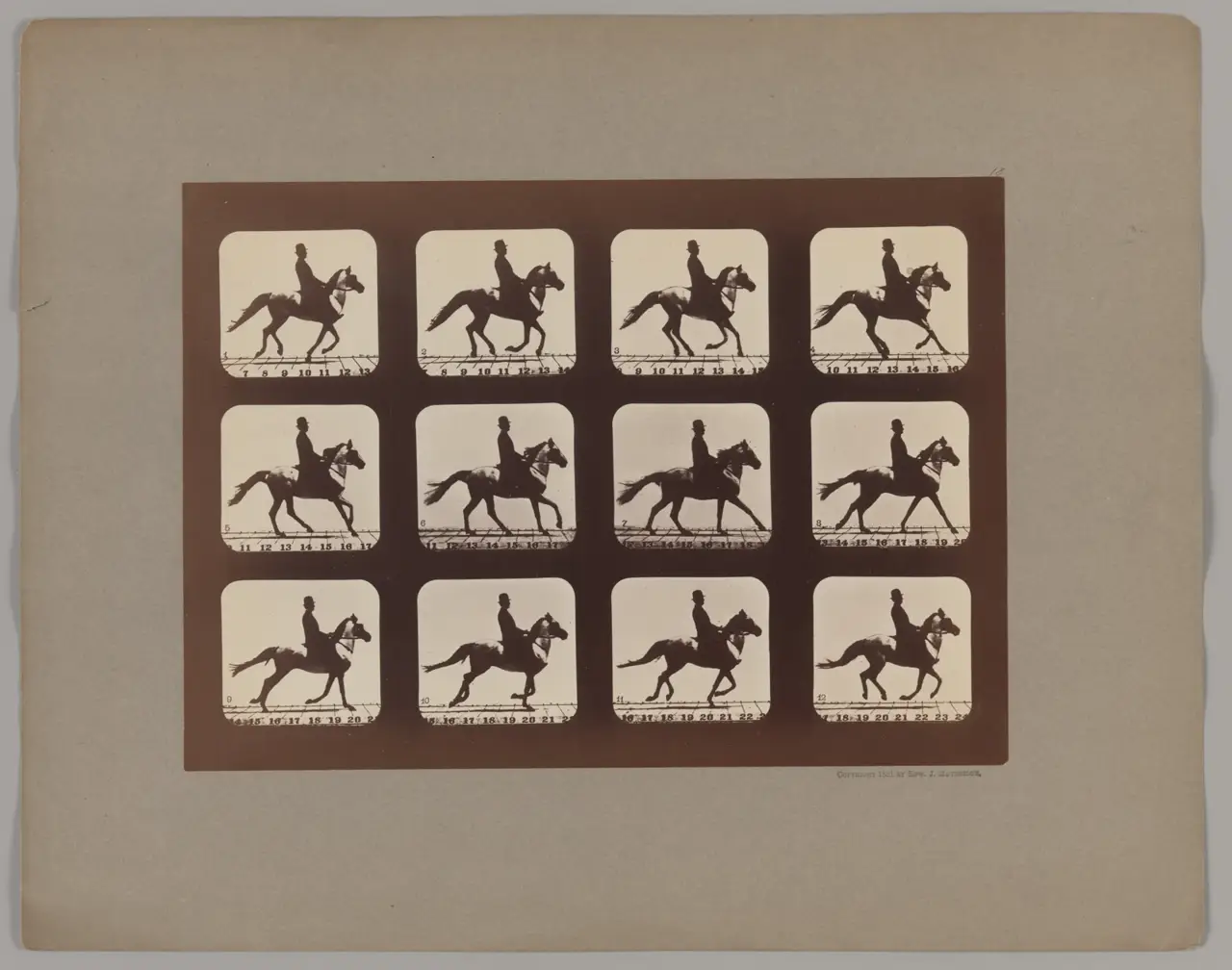
Stop-motion works by moving a puppet a tiny bit, photographing it, moving it again, and photographing it again. In the Ray Harryhausen era, animators worked partly blind.
"You had no way of knowing exactly what the frame that you just took looked like and how it related to the frame that you're about to take," Knight explained on an episode of the Filmmaker Toolkit Podcast. "You had these gauges where you could try to approximate the distance something moved, but it was this act of faith. You didn't really know; you had to wait until you developed the film to see how it moved. And that's why a lot of early animation has that kind of herky-jerky quality."
Dragonframe (software that captures and compares individual frames as they're shot) removes most of that guesswork. Laika animators can check what they've just done on a computer, flipping between the most recent frames taken and the frame they're currently working on.
"Whether it's a 20-frame shot or a 1000-frame shot, you can look at all the frames that precede it to make sure that the object or the puppet is moving the way it should," Knight told IndieWire.
Why stop-motion stays hard anyway
The tool doesn't make the craft easy. Knight draws a sharp line between stop-motion and other animation forms.
"2D animation, CG animation, they're iterative. You can set key frames. You do your breakdowns. You do your in-betweens. You can go back and refine and keep going and reworking things until you get the perfect performance," he said. "With stop-motion, it's progressive. You start on frame one, and the animator, coaxing life with their hands into this puppet, is working their way through a frame at a time. You don't get to go back and change it."
That permanence pushes animators toward intention and certainty. "You're contorting your body into all these positions to get these puppets to move properly. It's mentally very draining because you have to do all this three-dimensional chess as you're trying to figure things out, because it is technical, but it always has to feel organic," Knight said. "It's human ingenuity, it's human creativity, it's devotion, it's care, it's time."
The real point of the tools
All that effort goes into one trick: making steel, silicon, and fabric objects feel fully alive. That has been the game since Harryhausen. Whenever Laika develops a new process — or sticks with a tried-and-true tool — the goal is the same.
"[We don't want] to get in the way of seeing this puppet as a person. The finest stop-motion animators can do all that with their hands. But we've developed different techniques and tools where some of the less experienced animators can actually get to that same level," Knight said.
That's the quiet argument underneath "Wildwood's" spectacle: in a field racing toward AI-generated imagery, Laika's model pairs enduring handcraft with tools that widen access to it — not replace it.
Source: indiewire.com
More from Grace Kim
Show full bio
Correspondent covering technology and product news in arts in the broadest sense at Arts & Voices.
1,537 articles