Ealing council’s free pilot reports improved participant wellbeing
Almost all participants in Ealing council’s free creative health programme reported improved wellbeing, says William Rees, although his letter omits participant numbers and evaluation methods.
Programme
- Ealing council’s pilot offers free clay workshops and Islamic geometric drawing to residents and council staff.
- Almost all participants reported improved wellbeing after the sessions, William Rees said.
- The letter responds to Emma Brockes’s 5 November article about a recent Art Fund study.
- Rees cites Daisy Fancourt’s book Art Cure and argues for free national museums.
- No participant count, pilot dates, evaluation method or Art Fund study findings appear in the letter.
By Tom Whitfield
Almost all participants in Ealing council’s free creative health programme reported improved wellbeing after sessions including clay workshops and Islamic geometric drawing, culture officer William Rees said in a letter.
That is the clearest concrete result offered in Rees’s response to Emma Brockes’s article, “Art is good for your health? Allow me a quick eyeroll,” dated 5 November. Rees says the article addressed a recent Art Fund study. He believes the study’s significance may have been lost in the way Brockes packaged it.
The letter makes a policy claim as well as a health claim: evidence of benefits from art can strengthen the case for public spending and free access. The details needed to test that claim remain limited.
Rees’s case for public investment
Rees says the language of “prescribing” art has roots in social prescribing. He understands why people may resist that framing if it treats culture as a tool rather than something enjoyed for its own sake. He asks readers not to dismiss the study cynically.
He advances two arguments.
- Rees says the Art Fund study supports the intuition that participating in and experiencing art and culture can bring “measurable benefits for our health and wellbeing.”
- With culture budgets under pressure, Rees says the evidence strengthens the case for public investment, keeping national museums free and widening access to cultural participation.
Rees also invokes Daisy Fancourt, whom Brockes quotes, and her book Art Cure. He praises the book and uses it to argue that the evidence extends beyond visiting galleries and museums. The letter does not summarize the studies or findings he attributes to Fancourt.
Rees says art need not justify its existence through health benefits. His narrower claim is that knowing those benefits strengthens the case for everyone to experience, participate in and benefit from art and culture.
What does the pilot change for Ealing residents?
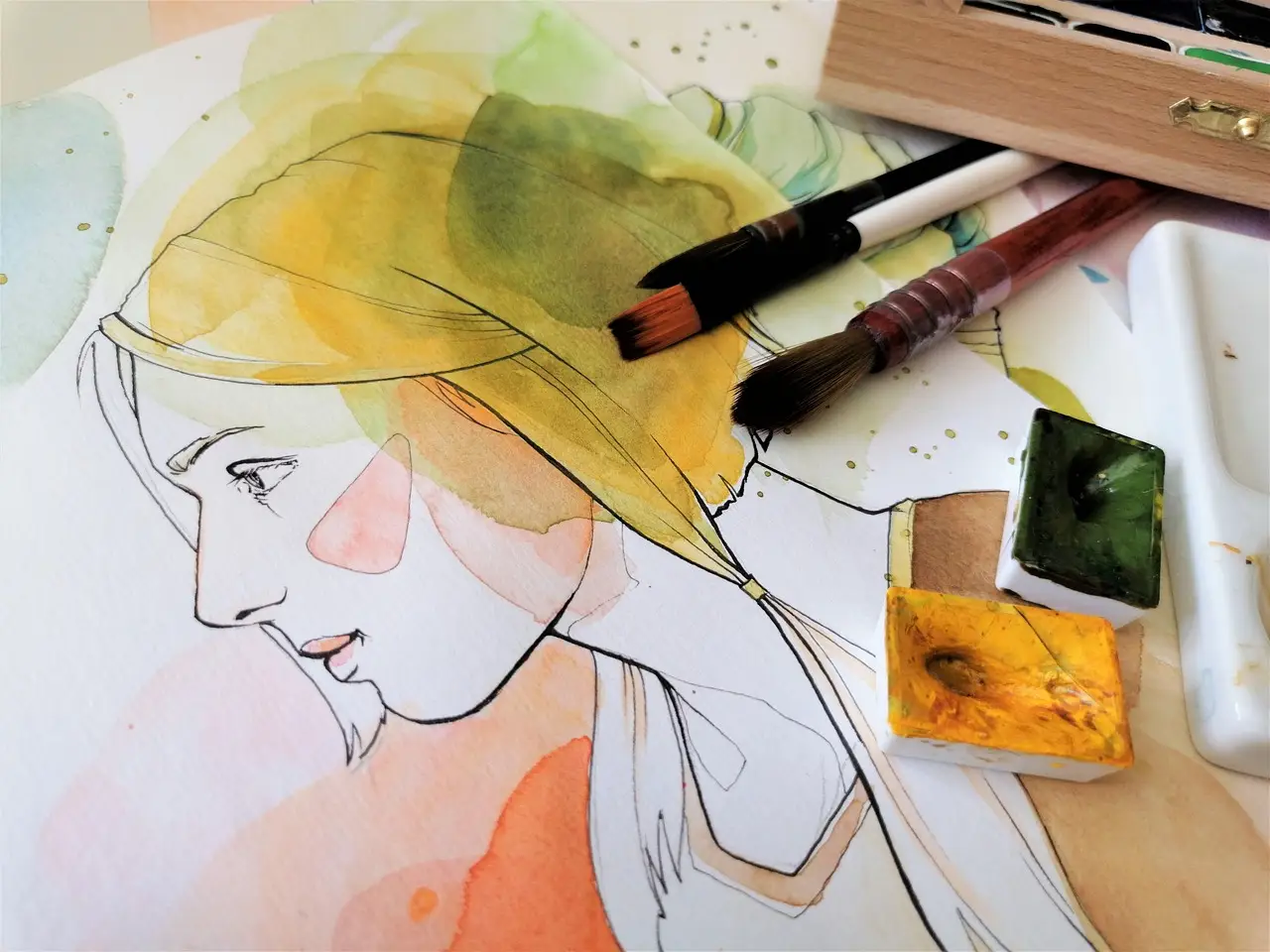
In the London borough of Ealing, the council is piloting a programme that brings residents and council staff together through free creative activity. The activities range from clay workshops to Islamic geometric drawing. Rees says almost all participants reported improved wellbeing after the sessions.
Rees says conversations with participants indicated that even an hour spent being creative can positively change the course of someone’s day. He adds that regular participation can have a lasting impact on their lives. These are his observations from programme conversations, not findings presented as controlled evidence.
For residents, the immediate change is access to a free programme that brings them together with council staff through creative work. The letter gives no application route, venue list, eligibility rules, capacity or schedule, so it does not establish how readily residents can take part.
Rees closes by inviting Brockes to an Ealing workshop and predicting that she might learn a new skill but take away more than that. The aside does not settle the operational questions: how many people attend, how the programme is evaluated or whether it will continue after the pilot.
What the evidence does not yet show
The letter’s central wording is also its main limit. Rees reports improved wellbeing among almost all participants. That phrase supplies no denominator, baseline or comparison group, and the letter does not say when reports were collected or how improvement was measured.
From the letter alone, a reader cannot tell how much of the improvement, if any, came from the sessions rather than expectations, existing mood or other factors. Nor does Rees present clinical outcomes.
The missing details are specific:
- How many residents and council staff took part.
- When the pilot began, how long it will run and how often people met.
- Whether the evaluation used a validated wellbeing measure, a baseline assessment or follow-up.
- What the Art Fund study found, including its sample, method and limits.
- Which findings in Art Cure Rees uses to extend the evidence beyond museums and galleries.
Rees’s public-funding argument therefore rests on two levels of evidence: a positive local report from Ealing and an Art Fund study he describes only through Brockes’s article. The letter omits the first evaluation’s details and gives no full account of the second. His case for free national museums remains a policy position rather than a conclusion the letter proves.
The next test is whether Ealing council publishes its participant numbers, evaluation method and follow-up results; without them, the pilot supports a positive local report, not yet the broad public-health case built around it.
Source: theguardian.com
More from Tom Whitfield
Show full bio
Market editor covering people, launches and day-to-day practice in arts in the broadest sense at Arts & Voices.
1,334 articles