Everest: The Other Side review: ski descent film asks uneasy questions
Everest: The Other Side tracks Jim Morrison and Hilaree Nelson's bid to ski Everest's north face in Imax scale, while leaving the moral cost of their risk-taking largely unexamined.
Programme
- Everest: The Other Side is a National Geographic-backed documentary, with some showings in Imax format.
- The film follows mountaineers Jim Morrison and Hilaree Nelson attempting the first ski descent of Everest's north face.
- The first third of the film covers the couple's planning and practice runs.
- Nelson frames her mountaineering as a choice her two teenage sons must accept.
- The Guardian review was published 28 October 2026.
A National Geographic-backed documentary follows two experienced mountaineers, Jim Morrison and Hilaree Nelson, as they attempt to become the first people to ski down the north face of Mount Everest. Some showings of Everest: The Other Side run in the huge Imax format, and the film leans hard into that scale.
The result feels like a callback to the early glory days of large-format cinema, when the medium was all about spectacle and size, turning footage of natural-world wonders into an immersive experience. Viewers with a fear of heights, or those prone to vertigo, may find it all a bit too immersive. The Guardian's reviewer notes that the point of the movie appears to be to provoke anxiety in the viewer for nearly the entire running time.
What are Morrison and Nelson actually doing?
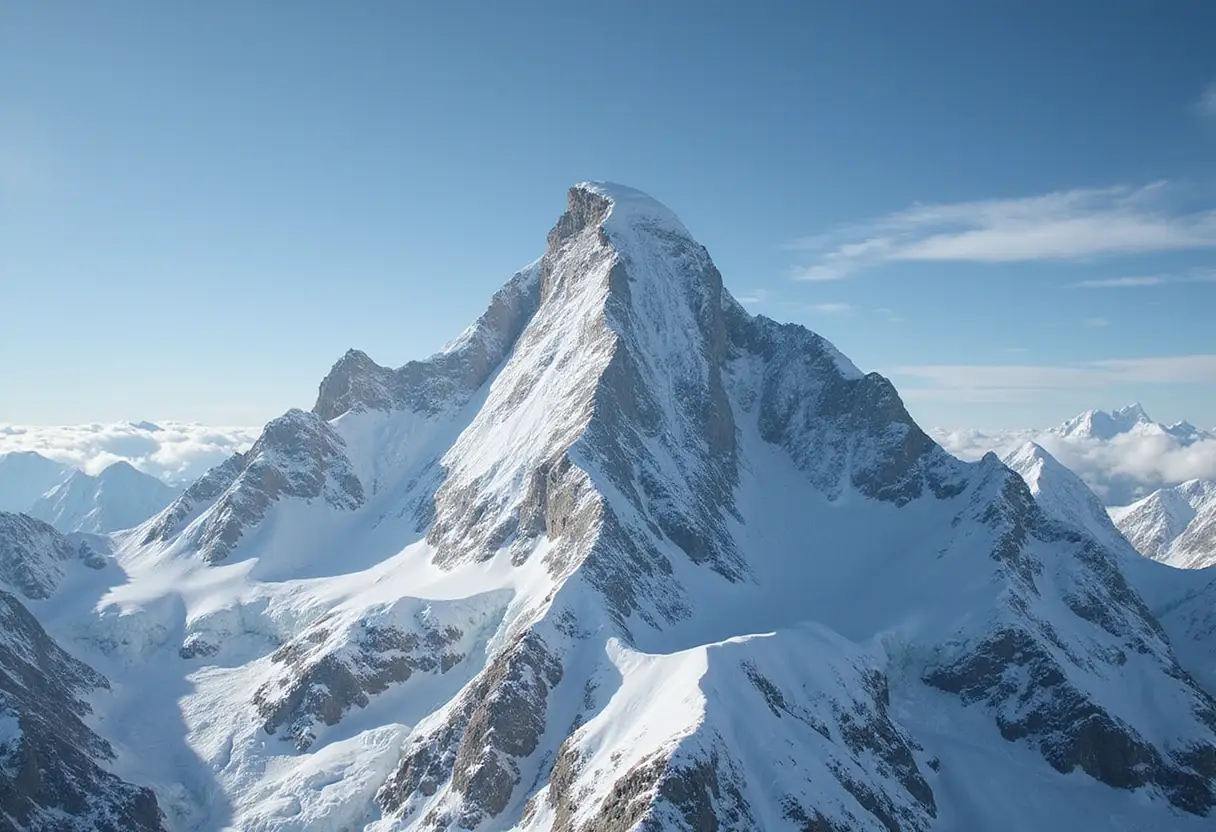
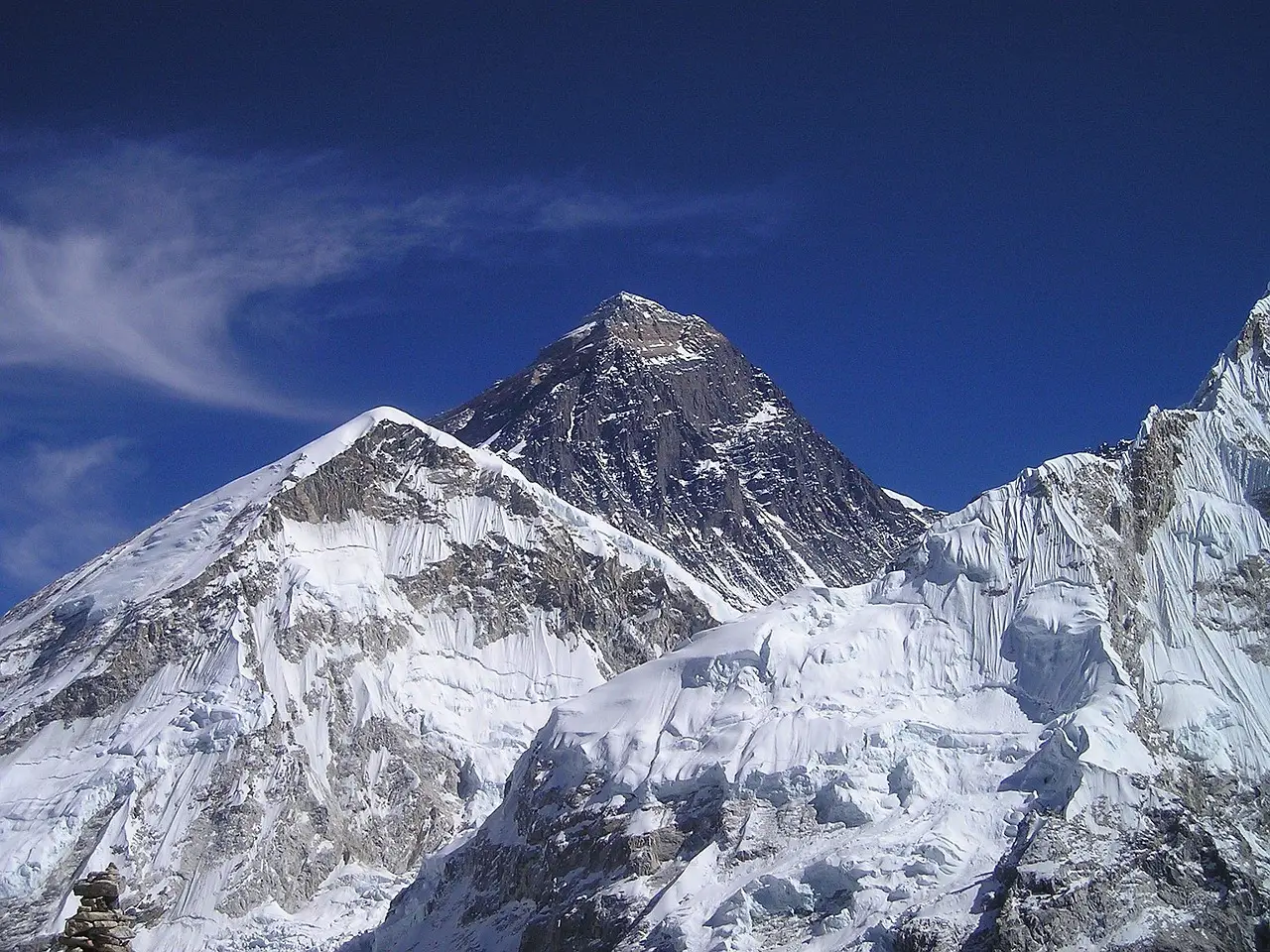
The film's subjects set out to climb the steeper, far less travelled north face of Everest. Then, for reasons the documentary never quite adequately explains, they intend to ski back down it.
Morrison cuts an amiable figure on screen. Like all of those who pursue extreme sports, the film suggests, he seems to feel a compulsion to put himself in grave danger — the kind of danger that, should things go wrong, would put other people at risk rescuing him. Nelson shares his passion for the mountains.
The first third of the film tracks the couple as they plan the expedition and eventually carry out practice runs toward their goal. The training footage builds the technical picture of the attempt. What it does not build is a persuasive answer to the simplest question: why?
What does the film leave unanswered?
Neither Morrison nor Nelson seems able to adequately explain why they have chosen to take such a risk. Nelson makes the most sustained attempt. She articulates her mountaineering life almost as if it were a career choice — one her two teenage sons should simply accept as hers to make, and maybe even thank her for.
The film gestures at the cost of that choice. Should Nelson be injured or lost, her sons and Morrison — who is not the boys' biological father — would also have to deal with the aftermath. The documentary raises this moral question and leaves it hanging over the couple's lofty ambitions rather than resolving it.
The tension between individual drive and shared consequence gives the film its trickiest edge. The spectacle is real: the north face, the Imax framing and the ski descent itself deliver the visual scale that large-format cinema promises. But the human accounting underneath remains thin, and the review suggests the filmmakers never close that gap.
For audiences, the picture works as vertiginous spectacle first and moral inquiry second. It asks what the rest of us owe the people who take such risks — and what they owe the families who wait — without ever settling on an answer.
Original: en.wikipedia.org
More from Marcus Bennett
Show full bio
Staff writer covering people, launches and day-to-day practice in arts in the broadest sense at Arts & Voices.
785 articles