Fashion Show Designer Alexandre de Betak Makes His Gallery Debut
Runway spectacle maker Alexandre de Betak shows Truss Light Sculptures at Salon 94 through December 19, turning old stage equipment into art. His first solo show.

Programme
- Alexandre de Betak's first solo exhibition opened at Salon 94, New York, on November 5 and runs through December 19.
- He founded Bureau Betak, sold in 2021, and estimates he produced 'thousands' of fashion shows for Dior, Gucci, Jacquemus and Fendi.
- The Truss Light Sculptures include bronze versions requiring more than 20 molds per work at a French foundry.
- He lit the Eiffel Tower gold for Saint Laurent's spring-summer 2020 ready-to-wear show.
By Daniel Okafor
Alexandre de Betak opened his first solo art exhibition at Salon 94 in New York on November 5. That's the man who lit the Eiffel Tower gold for Saint Laurent's spring-summer 2020 ready-to-wear show.
De Betak founded Bureau Betak, the set design agency behind megawatt runway spectacles for Dior, Gucci, Jacquemus and Fendi. He estimates he produced "thousands" of fashion shows. He also built installations for Rodarte featuring fluorescent and neon tubes. He sold the company in 2021. Now the spotlight points at his own practice.
The obsession predates the career. As a 10-year-old, de Betak rewired his Paris bedroom so visitors had to be buzzed in, greeted by shifting colored lights. Some children collect stickers. This one wired circuits.
What's on show at Salon 94?
The exhibition, on view at Salon 94's Upper East Side town house through December 19, presents two series of Truss Light Sculptures. Both are electronically programmed.
- Contemporary space: freestanding and wall-mounted aluminum structures fitted with LED bulbs.
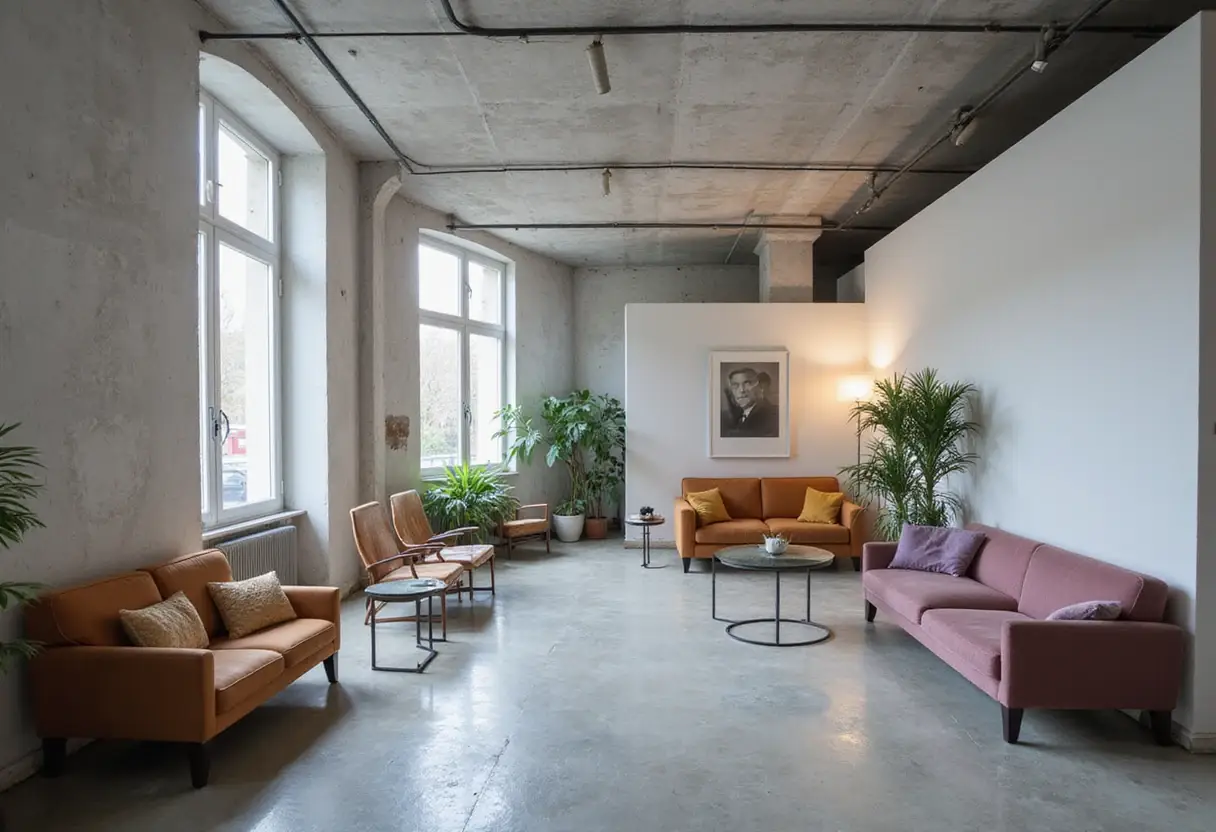
- Upstairs Stone Room: bronze versions, set against Caen stone plaster walls and arched windows. A French foundry recast each part down to the smallest screw by hand, sometimes requiring more than 20 molds per work.
The sculptures draw on the scaffolding and fixtures of his early runway shows. Some are literally made from them. "That equipment is old-fashioned now, but I wanted to honor it," de Betak says. "And I liked the irony that I spent so much energy over the years trying to hide it."
How do the sculptures behave?
They come alive through a remote-control-operated system that activates light sequences which glow, sparkle, thrum, or react to ambient noise. "Whether a whisper," de Betak says, "or extremely loud music."
The works range from sconce-like creations to hulking constructions out of a sci-fi movie. For the effects, he drew on his stage work, where he was renowned for cueing — choreographing — light and sound.
"I'm interested in the ephemeral nature of what this equipment was made to show—whether a fashion show or a ballet," he says. "At a moment when everything is virtual, I think it's more important than ever to create things that produce a live emotion."
What does the gallerist see in them?
Salon 94 founder Jeanne Greenberg Rohatyn observes that the sculptures are equally powerful switched on or off. Unlit, they remind her of David Smith artworks or Russian constructivism. Lit, and with synced sound, they evoke the theatricality of stage performers.
"Alex has spent his career building structures that disappear into someone else's spectacle," she says. "Here, the structure is the whole point."
That verdict lands. The stagehand has stepped out from behind the truss, and the hardware — bronze screws, LED bulbs and all — now carries the show. Anyone wanting the live emotion de Betak chases has until December 19 to test whether unlit scaffolding can hold a room.
Source: Architectural Digest
More from Daniel Okafor
Show full bio
News editor covering companies, deals and strategy in arts in the broadest sense at Arts & Voices.
968 articles