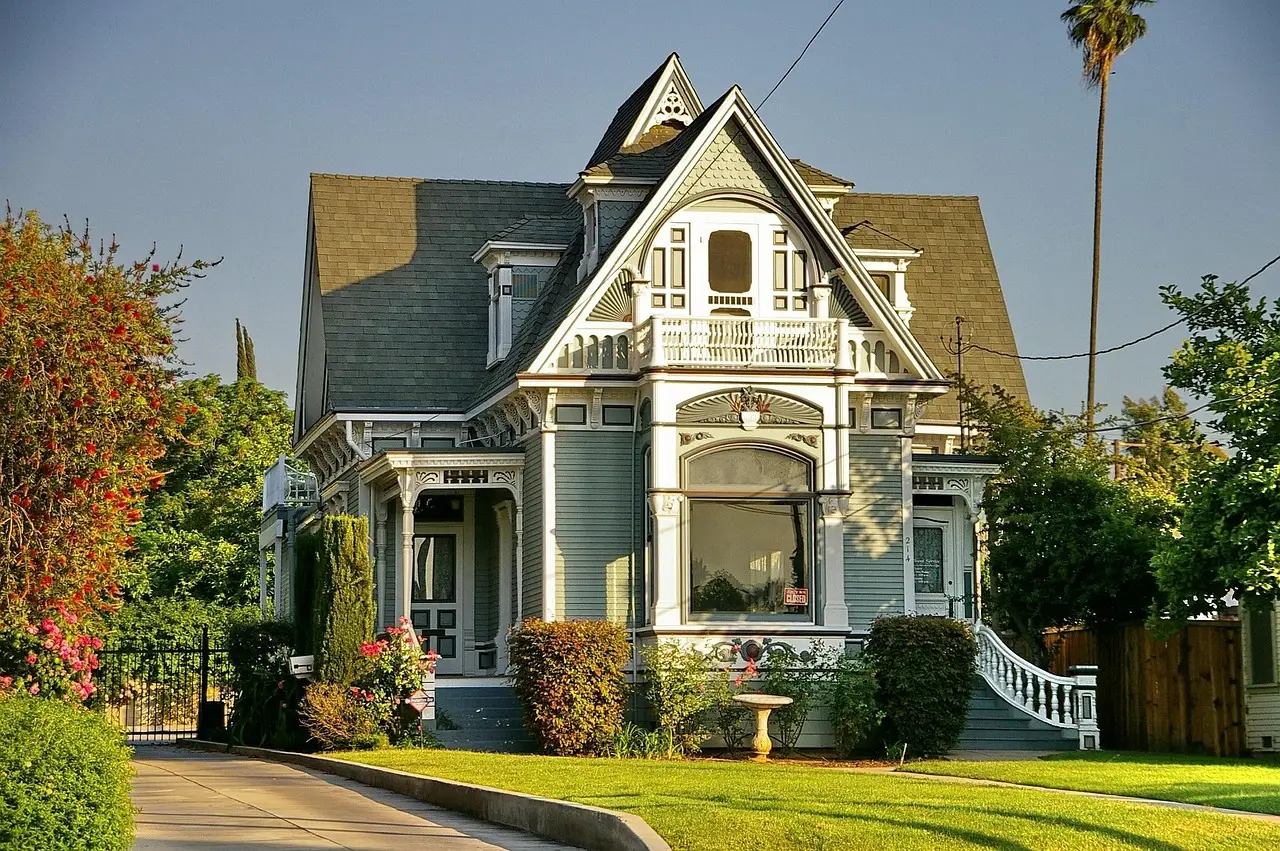
Five-bedroom Victorian from 1875 became a society photographer’s home
Completed in 1875, the five-bedroom Victorian on Willard Place won over a society photographer after AI-generated furniture and two years of art-filled domestic life.
Programme
- Willard Place, a five-bedroom Victorian in Hudson, was completed in 1875.
- Online photographs showed AI-generated furniture; the actual five-bedroom house stood empty.
- The first move-in used a rented van, Moroccan rugs, two inflatable mattresses and pizza beside a roaring fire.
- Two years after moving in, the writer still prized the house’s spaciousness, light and Norma Desmond staircase.
- After years of neglect, a thorough assessment found no looming “old house” disasters at the 1875 house.
By Elena Vasquez
Why did five bedrooms and an AI listing almost stop me?
I moved into a five-bedroom Victorian on Willard Place in Hudson two years ago; it was completed in 1875.
As a society photographer, I first saw it in online photographs that made it look wildly colored and eccentrically embellished, inside and out. The images offered a confounding mixture of hideous and fabulous. I felt compelled to inspect it in person.
I added it to the short list of Hudson properties I planned to visit out of sheer morbid curiosity, although I had no intention of buying the house. Real estate agent Julia Crowley made the appointment and put Willard first on our house-hunting itinerary.
Artist Helen Marden, my friend and the owner of the nearby Hotel Tivoli, came along for the ride. When we got out of the car, she asked, “What are we doing here?” I had forgotten to mention this purely voyeuristic side trip.
I expected the polychrome Victorian to be crammed with furniture, as the online listing appeared. Instead, Helen, Julia and I entered a breathtakingly empty house. Shafts of winter sunlight illuminated generous rooms and old wood floors. We sat on old iron radiators, quietly absorbing the beautiful proportions and unexpected calm.
The grotesque furniture in the photographs turned out to be virtual: a terrifying misuse of AI.
The listing created false obstacles; the vacant rooms made a purchase conceivable.
How did a five-bedroom house become manageable for one person?
It was fabulous, as I could not deny, but five bedrooms made it far more house than I sought and seemed daunting for one person. Helen disagreed. At our next stop, she took one look at Willard from the car and did not bother to get out.
Over the following months, I continued looking in the area, but nothing struck a chord. Helen kept saying, “You should be thinking about Willard.” She also said, “It’s a good house.”
The whaling boom had enriched Hudson, and other equally eccentric Victorian homes throughout the town featured multiple bow windows, terraces and turrets. The house on Willard, completed in 1875, is a classic Victorian built during that boom.
It had stood empty and neglected for years, but a thorough assessment did not reveal any looming “old house” disasters. The building’s beauty stayed with me, and I made an offer.
The assessment eased the building fears; Helen’s persistence settled my hesitation.
What did the first move-in reveal?
I enlisted a friend to help me move in, though the furniture would have to come later. I drove up from the city in a rented van filled with Moroccan rugs and two inflatable mattresses, and ate pizza on the floor in front of a roaring fire.
Two years later, I could not imagine living without the house’s spaciousness, light and grand old-world flourishes. “I don’t know how I coped for so many years without a Norma Desmond staircase,” I realized. Life without one now seemed unrealistic. That confirmed my suspicion that “luxury is a one-way trip.”
A modest move-in turned into a two-year commitment to the house’s scale.
How did art and eccentricity reshape the empty rooms?
I matched the kitchen’s vintage red Formica countertops with a red refrigerator and stove. I filled it with a lifetime’s worth of art and ephemera, including artwork by my parents and friends, artifacts, textiles and natural oddities gathered on various travels.
The collection also held unnatural oddities: cheap Japanese plushy cushions. My favorite was a huge pink peach that, from a certain angle, morphed unmistakably into a huge pink ass. I also favor crocodiles and alligators in any form, although I cannot say why.
One thing is certain: we are a very long way from “form follows function.”
Fortunately, at least to my eye, the house absorbed my taste for both the ridiculous and the sublime with grace.
Helen was right, I thought. “It is a good house, and it has welcomed me, perhaps recognizing in me a madness that in some way matches its own.”
Two years in, the practical challenge is to preserve the balance between the accumulated art and eccentricity and the spaciousness, light and calm that made the empty rooms feel possible.
Source: Architectural Digest
More from Elena Vasquez
Show full bio
Senior reporter covering technology and product news in arts in the broadest sense at Arts & Voices.
1,158 articles