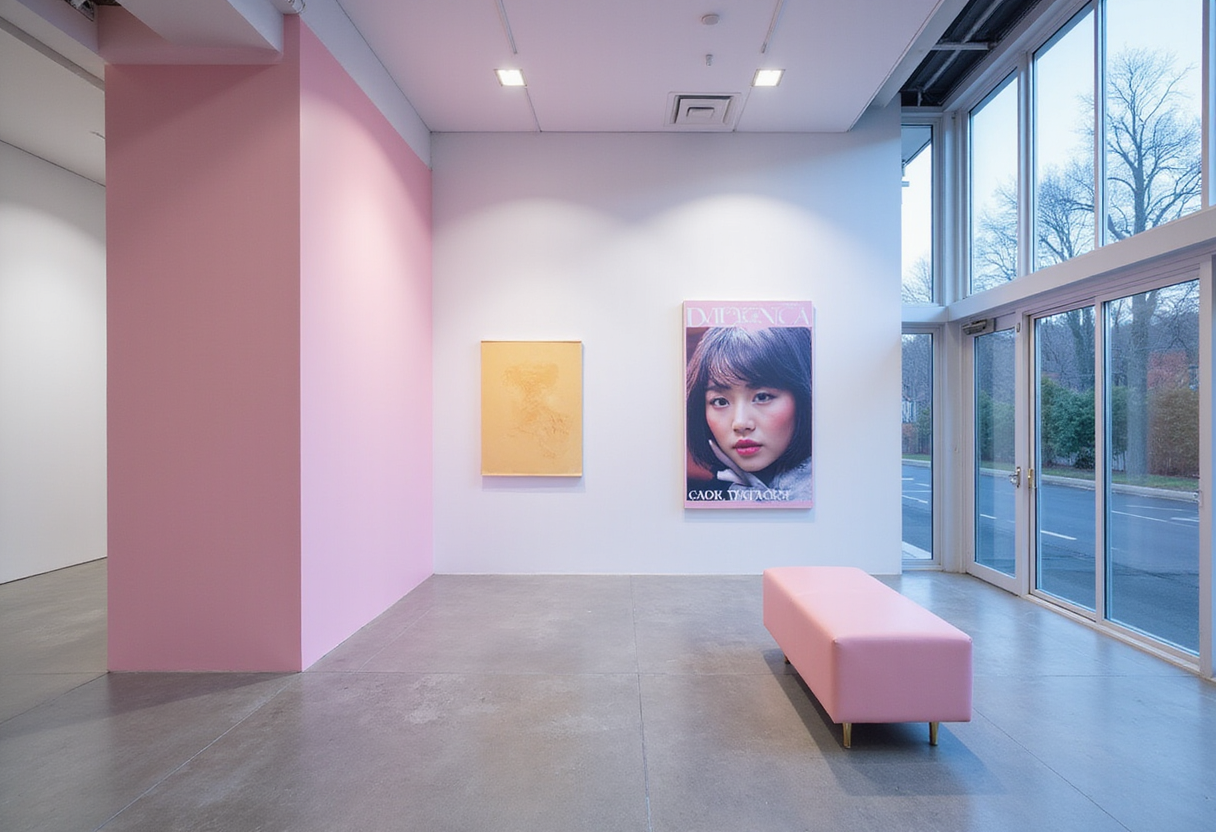
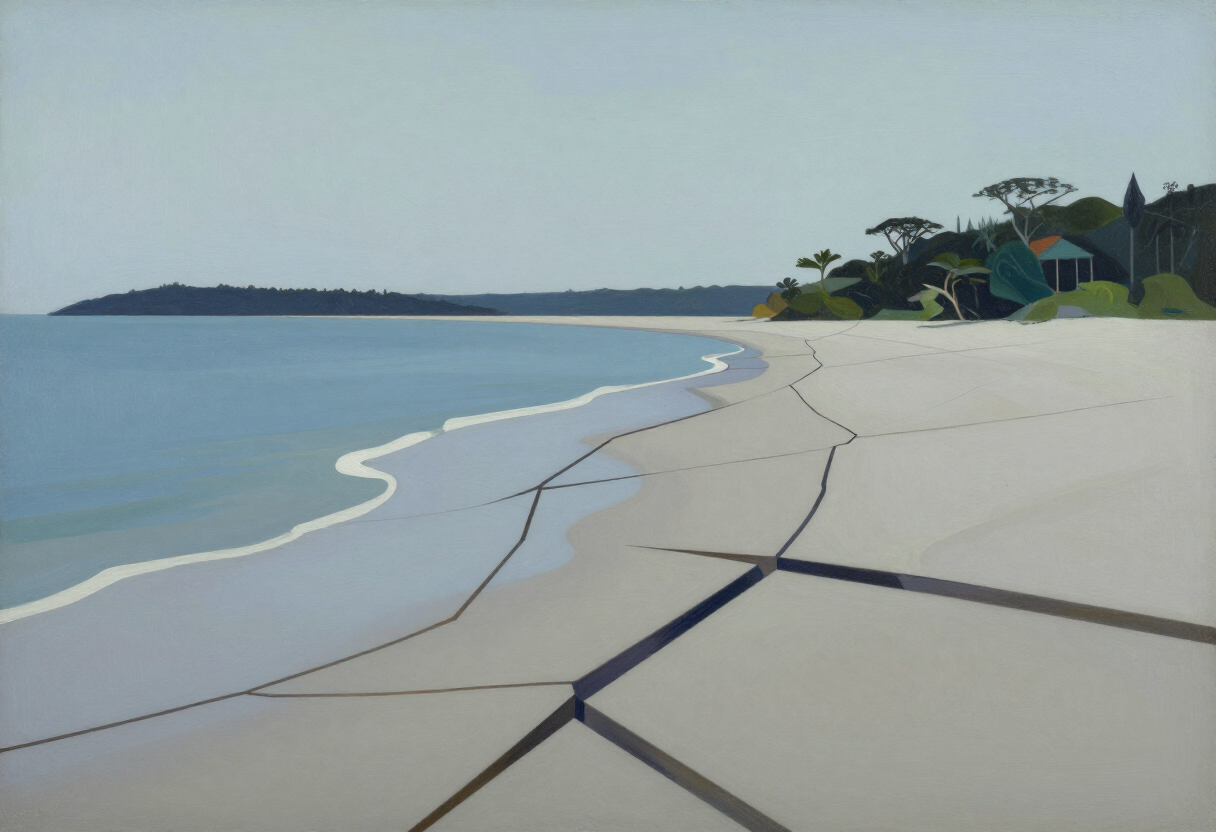
Flor Khan's Bronx Studio: Photo Processing as Ancestral Repair
Flor Khan, in the 358th 'View From the Easel,' revives ancestral memory through photo processing, tannins and stitching in her Bronx Kreate Hub studio.
Programme
- Flor Khan has worked in her Bronx Kreate Hub studio since March 2025, per Hyperallergic's 358th 'A View From the Easel'
- She works two to three pieces at once across photo processing, drying and tannin-steeping stations
- She cites El Museo del Barrio's exhibition 'Sophie Rivera: Double Exposures', featuring 1980s gelatin prints, as a formative recent show
- She and her studiomate, a muralist, will host a cyanotype-painting workshop on NYC landscapes in the coming weeks
- Her work reworks 19th-century postcard images to disrupt what she calls the colonial gaze
By Tom Whitfield
Bronx-based artist Flor Khan works from a Kreate Hub studio she has occupied only since March, after years of rotating through borrowed artist studios and her own apartment. She appears this week in the 358th installment of Hyperallergic's series A View From the Easel, in which artists reflect on their workspaces.
The interview offers more than a studio tour. Khan, who identifies as Xicana-Latina, describes a practice built on alternative photographic processes, sewing, and ancestral memory — work she frames explicitly as an act of repair.
How does she work?
Her studio day starts around 4pm, after a daytime job. She runs two to three pieces at once:
- one developing color in a photo processing workstation
- one drying on the work line
- one steeping in plant tannins
Before starting, she turns on a salt lamp and lights a candle. "I ask for their permission to bring their memories back to life," she says of her ancestors. Her source materials include Victorian-era postcards of her Indo-Caribbean aunties and the photo albums of her late father. NPR's Tiny Desk concerts play in the background.
The ritual framing is consistent, and the technique backs it up: each stitch and photo transfer, she says, brings her closer to those memories.
What does the space change for the work?
Khan calls the studio sacred, though the claim comes with a caveat she supplies herself. The practical constraints are real: her water basin sits down the hall, the slop sink is necessary for washing out photo processors, and running water near the workspace would be, in her words, "a dream." She wants more space for her tannins.
What the room does give her is quiet. Being away from the main road means fewer ambulances; she hears the train, the rain, the candle. "I love that I can leave my pieces unfinished, unbothered, no need to pick up the mess because the space allows for the process to bloom on its own time," she says.
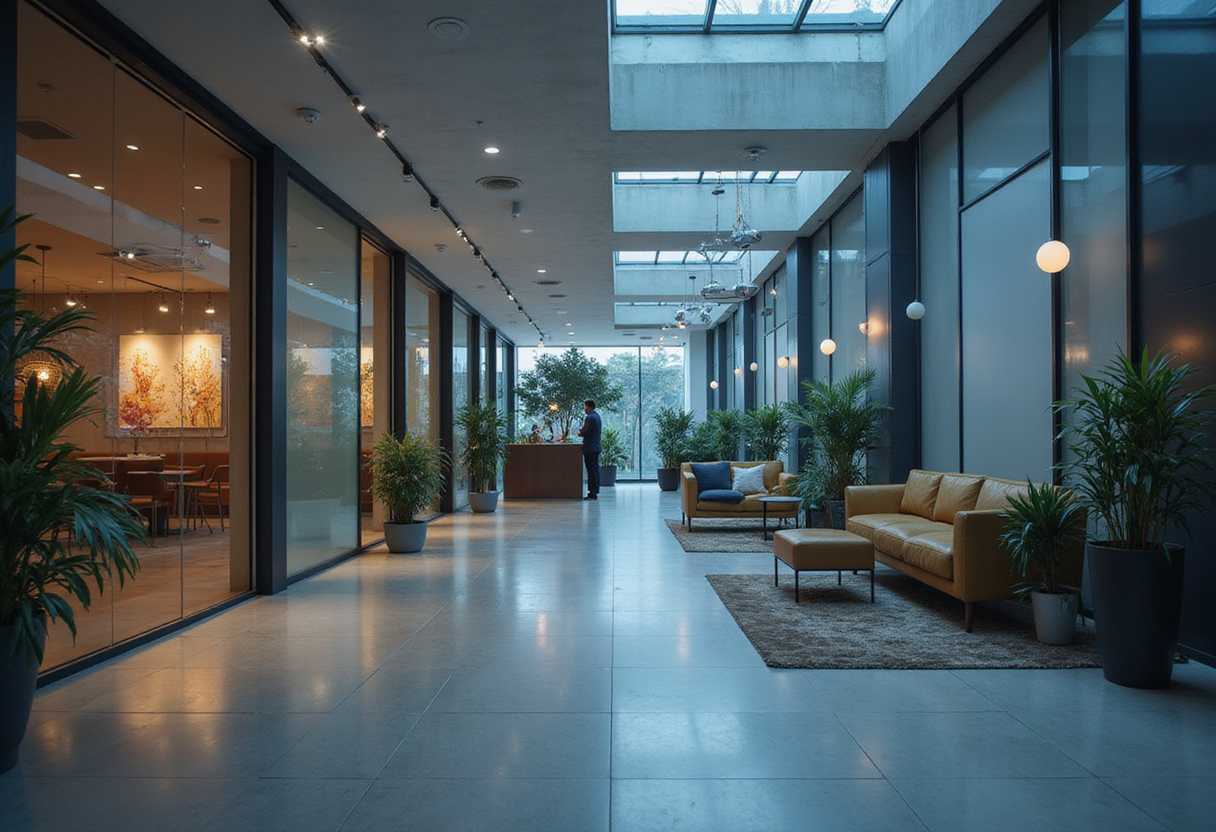
The building supplies community too. Kreate Hub's hallways display work from neighboring studios; makeup design, costume and film production studios sit down the hall. Her studiomate and partner is a muralist and painter, and in the coming weeks the pair will host a cyanotype-painting workshop on New York City landscapes.
What is the work actually doing?
The strongest part of the interview is Khan's account of her material strategy. She overlays cartography on images, sews news images atop photographs, and mends "parts that feel untrue or not whole."
With 19th-century postcard images, she says she works to "disrupt the colonial gaze and bring historical context and agency back to the women that were often eroticized through the camera, staged in front of backdrops that removed them from their truer lived lives."
That is a large claim for a postcard. But her method — physically reworking the photographic object rather than merely recontextualizing it — gives the statement substance.
Her reference point is local: El Museo del Barrio, which she praises both for accessibility and for centering Latin American and Caribbean culture. Its recent exhibition Sophie Rivera: Double Exposures moved her in particular; Rivera's gelatin prints of children's portraits, shot in the 1980s, documented class systems and lives on New York City streets.
"As a Xicana-Latina, I felt seen in her art," Khan says.
She does not say when the work will be shown. The workshop, however, has a date attached to it — the coming weeks — and it suggests where to watch her practice move next: out of the candlelit studio and into the Bronx community she describes as welcoming.
Original: forms.gle
More from Tom Whitfield
Show full bio
Market editor covering people, launches and day-to-day practice in arts in the broadest sense at Arts & Voices.
471 articles