Programme
- American Bully XL is the second album by Texan post-punk band Font, following 2024's Strange Burden.
- Core lineup: Thom Waddill (vocals/guitar), Roman Parnell (bass), Anthony Laurence (guitar/synths), Jack Owens (drums).
- Tracklist mentions include "Punish Task," "Night Sight," "You," "Bang Bang," "Atom," "Bad Faith" and "Texas."
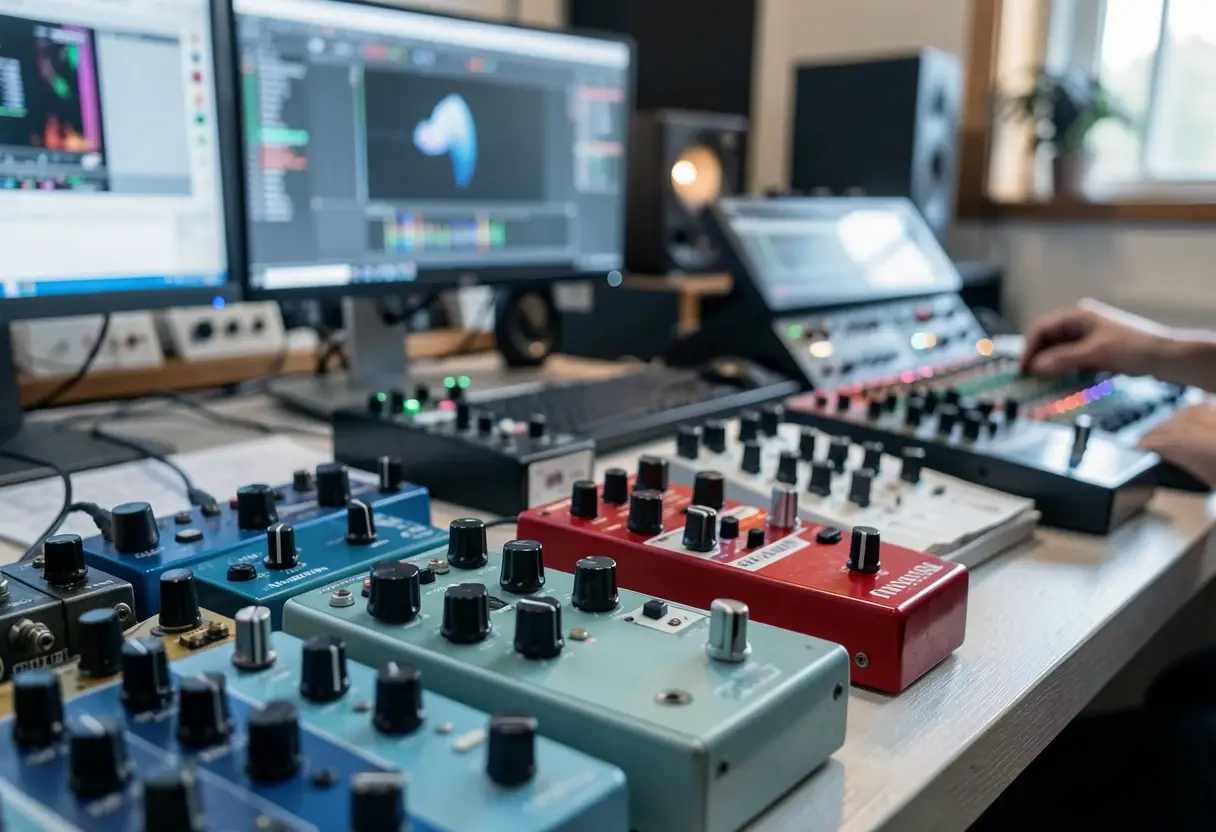
- The album layers analog synths, a noise box, an Electronic Wind Instrument, sax and sampling.
- No numeric score has yet been assigned to the album at the reviewing outlet.
Font's second album, American Bully XL, marks a sharp turn toward vulnerability for the Texan post-punk band, following a debut that seemed to pride itself on being hard to read.
On 2024's Strange Burden, the Austin quartet invoked the Pharisees, wrote a song inspired by Cormac McCarthy's meditations on German chemist August Kekulé, and even worked in the word "grawlix." Their danceable, proggy sound carried what critics heard as a Model/Actriz-style loucheness — as if David Byrne had traded the big suit for a catsuit. The lyrics behaved more like percussion than explanation.
American Bully XL abandons that guardedness. According to the review, the new songs ache for recognition to a self-conscious degree, invoking both the heartbreak of classic country songs and a more introspective, self-effacing woundedness through impressionistic lyrics and squalls of industrial distortion.
Who is in the band, and what are they playing?
The core lineup consists of Thom Waddill on vocals and guitar, Roman Parnell on bass, Anthony Laurence on guitar and synths, and Jack Owens on drums. For the new record, they add:
- analog synths
- a noise box
- an Electronic Wind Instrument
- occasional saxophone
- additional vocals
- profuse sampling
These layers of texture frequently place Waddill's keening vocals under the harshest of spotlights. The industrial blare of opener "Punish Task" ratchets up the tension of his ragged shout with discordant synths and an increasingly frenzied drumline. Even the deceptively synth-poppy twinkle of "Night Sight" thickens menacingly under his ragged voice. Elsewhere the production nearly buries him: on "You," Waddill's howls of "I don't wanna die in this body" become hauntingly unintelligible beneath the crush of clattering drums and opaque synth chords.
What does the distortion actually do?
The review's central claim is that the album's warped approach to its country influences allows tenderness to emerge not in spite of distortion, but through it. The quavering synth of "Bang Bang" and the tinny, syncopated almost-waltz of "Atom" add tinges of insecure unsteadiness to tracks that could otherwise read as impenetrable in their harshness.
The plaintive fingerpicking, warbling keyboard lines, and offbeat samples of "Bad Faith" feel, in the reviewer's words, like a glitching memory of a country ballad. On the dreamy "Texas," synth layers veer between sounding acoustic and inorganic — aping lap steel one moment, a dial tone the next — while Waddill's pleas toward an ex-lover fade into the distance. His musings on heartbreak, the review argues, feel more desperate for being digitally enforced.
One caveat for readers weighing a purchase: no score has yet been attached to the album at the reviewing outlet, leaving this appraisal as prose rather than verdict. What it signals either way is a band deliberately shedding its cryptic debut persona — and betting that distortion can carry feeling as well as it once carried riddles.
Source: pitchfork.com
More from Tom Whitfield
Show full bio
Market editor covering people, launches and day-to-day practice in arts in the broadest sense at Arts & Voices.
1,743 articles