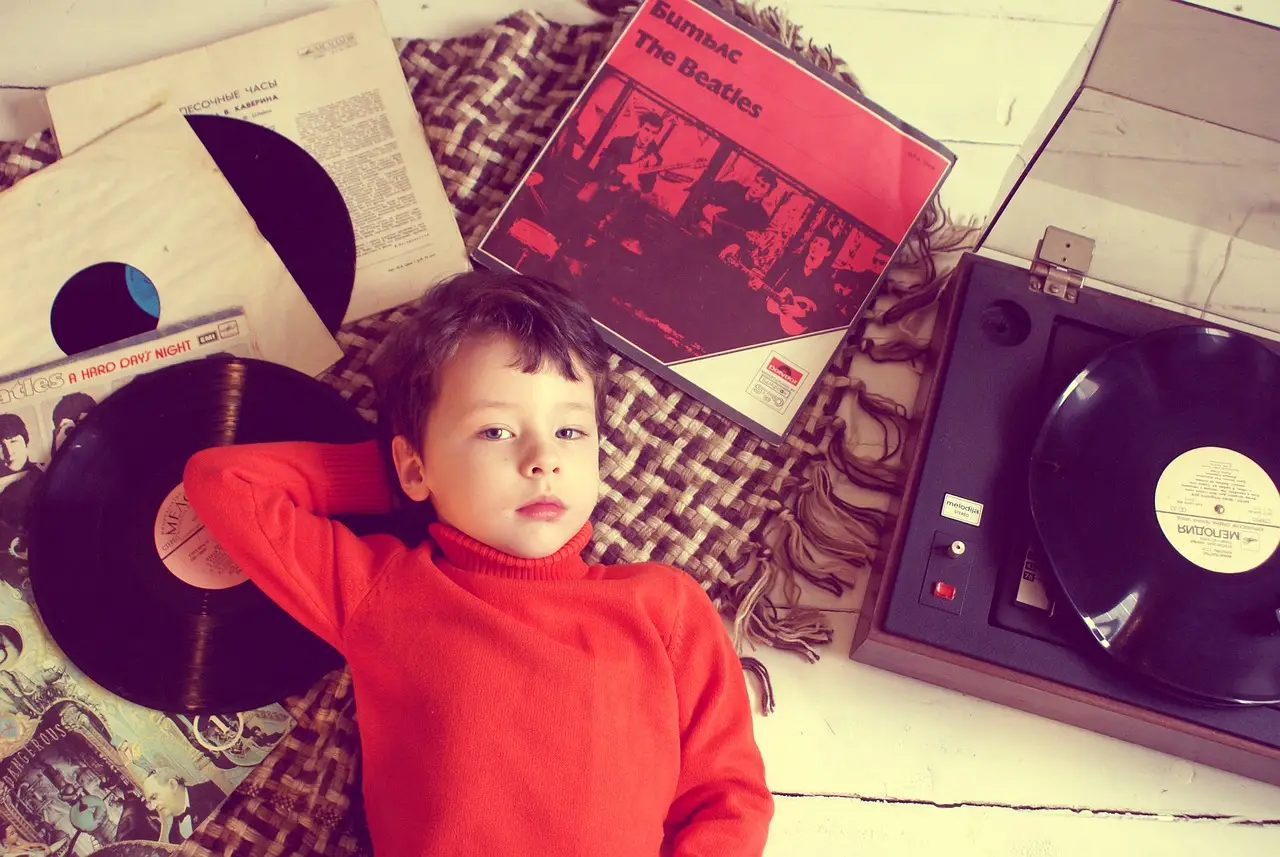
Forty Indie Songs That Carried the 2010s, From 'Midnight City' to 'Seventeen'
A 40-song retrospective traces 2010s indie from Arcade Fire's 'The Suburbs' to Vampire Weekend and Sharon Van Etten — a canon of bedroom pop, synth anthems and guitar confessions.
Programme
- The list names 40 indie songs released between 2010 and 2019.
- Arcade Fire's 'The Suburbs' (2010) opens the list; Sharon Van Etten's 'Seventeen' (2019) closes it.
- Vampire Weekend is the only act to appear twice, with 'Diane Young' (2013) and 'Harmony Hall' (2019).
- Future Islands' 'Seasons' reached a mass audience via a 2014 Late Show with David Letterman performance.
- MGMT's 'Little Dark Age' (2018) gained a second life through internet culture, per the list.
Forty songs, nine years, one canon: a new retrospective list names Arcade Fire's "The Suburbs" (2010) and M83's "Midnight City" (2011) among the tracks that defined 2010s indie music.
The list, compiled by Eric Alper, runs from Vampire Weekend and Bon Iver to Mitski and boygenius. It argues a simple thesis: the decade when "a bedroom recording could launch a global career" — when synthesizers became what Alper calls "emotional support instruments" — produced a body of work a generation grew up inside.
The claim is grand. The evidence is broad. And the list itself, read closely, tells a more specific story about how indie's center of gravity moved.
What does the list actually show?
The 2010 opens are guitar-and-piano institutional: Arcade Fire's Win Butler singing about childhood streets that "never stay exactly as you left them," The National's "Bloodbuzz Ohio," Beach House's "Zebra," LCD Soundsystem's slow-burning "Dance Yrself Clean" — a song that waits three minutes before its synthesizers detonate.
By mid-decade, the picture shifts. Grimes's "Oblivion" (2012) pairs an irresistible bass line with fear and vulnerability. CHVRCHES' "The Mother We Share" (2013) helps make synth-pop a defining 2010s sound. Mac DeMarco's "Chamber of Reflection" (2014) becomes, in the list's words, "a defining favourite of internet-era indie" — a song whose appeal lived online rather than on college radio.
Then the guitars return, but smaller and more personal. Alvvays' "Archie, Marry Me" (2014). Mitski's "Your Best American Girl" (2016), where a delicate opening explodes into a thunderous chorus about love and cultural identity. Phoebe Bridgers's "Motion Sickness" (2017). Soccer Mommy's "Your Dog" and Snail Mail's "Pristine" (both 2018), which the list credits with defining "a new generation of guitar-driven bedroom pop."
The highlights worth arguing over
Some entries carry documented breakout moments. Future Islands' "Seasons (Waiting on You)" (2014) reached a mass audience through the band's performance on the Late Show with David Letterman, where Samuel T. Herring, as the list puts it, "sang every word like his heart depended on it."
Others are canny corrections of the usual canon. Arctic Monkeys' "Do I Wanna Know?" (2013) marks the band's transformation into an arena act. MGMT's "Little Dark Age" (2018) is included not for its release but for its afterlife — the song "eventually finding another life through internet culture."
The list also makes room for humor: Courtney Barnett's "Avant Gardener" (2013), in which a gardening project becomes a medical emergency, and Father John Misty's mariachi-brass love song "Chateau Lobby #4" (2015). Courtney Barnett, the entry argues, made "an asthma attack sound like such compelling rock music."
Vampire Weekend appears twice — "Diane Young" (2013) and "Harmony Hall" (2019) — bookending the decade with the same band.
What is not said
A list of 40 invites quarrels about omissions, and this one names no Flo Rida-adjacent sellouts, no scandals, no streaming figures. It is unapologetically affectionate: the closing argument is that these songs "accompanied university dorm rooms, midnight walks, festival summers, first apartments." The critical edge, where it exists, lives in the descriptions, not the rankings — there are no rankings at all.
What the list does document, deliberately or not, is a structural change. Artists on it "could move between genres, create recordings in bedrooms, build devoted audiences online and turn deeply personal experiences into songs that reached millions." Whether 40 songs can carry a generation's identity is unprovable. That they still get played is not.
The decade's last entry, Sharon Van Etten's "Seventeen" (2019), looks back at a younger self "with affection, frustration and hard-earned understanding" — a fitting close for a list about songs that, as Alper writes, "keep every version of ourselves alive inside the music."
Source: thatericalper.com
More from Tom Whitfield
Show full bio
Market editor covering people, launches and day-to-day practice in arts in the broadest sense at Arts & Voices.
1,519 articles