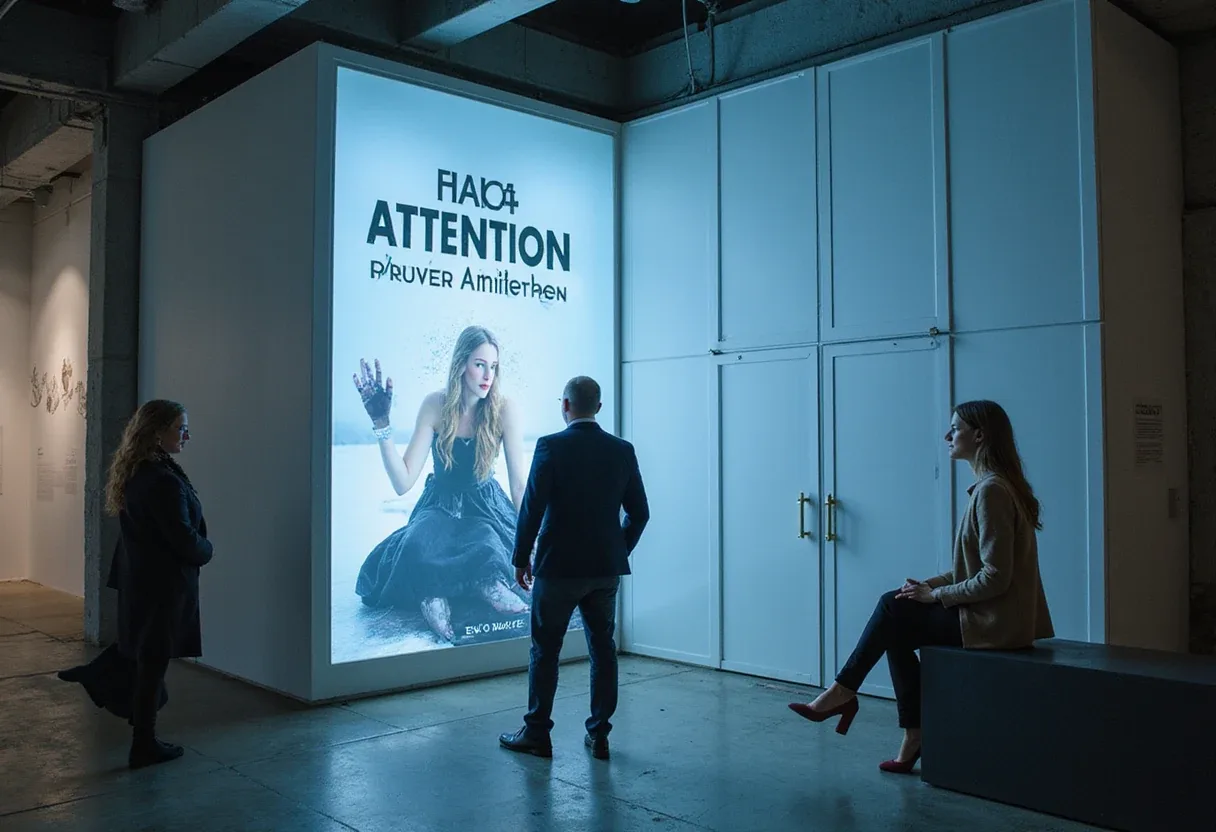
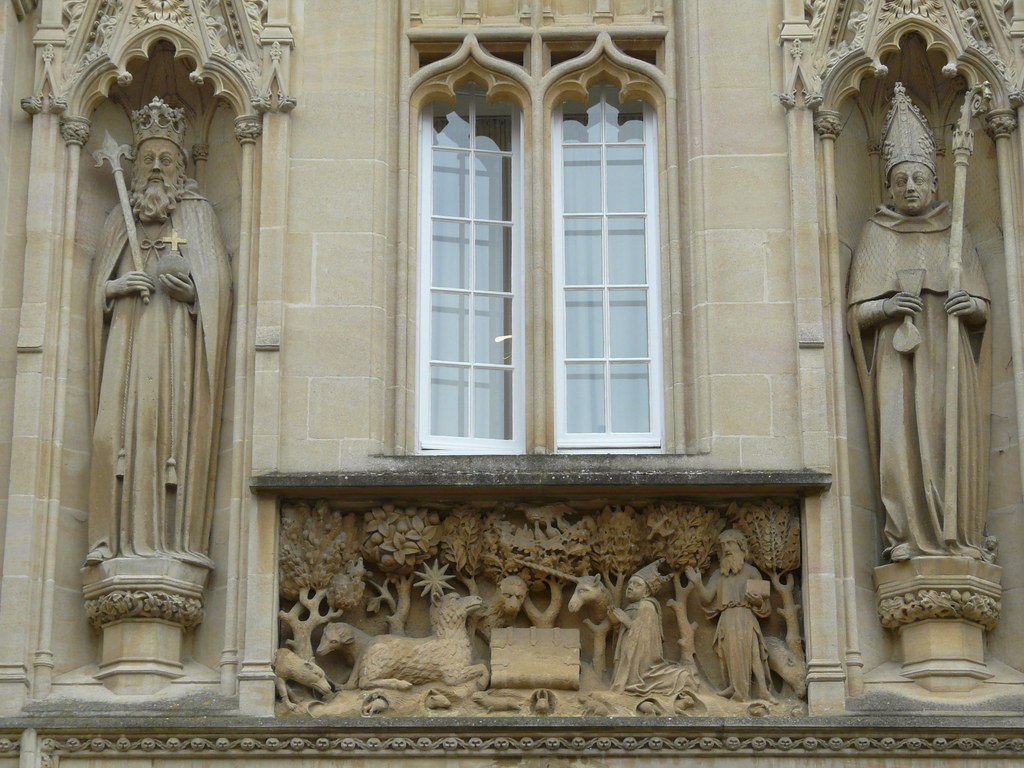
Frieze London 2026 Opens with Scent-Soaked Toilets and Champagne
Frieze London opened October 14 in Regent's Park with Ruinart champagne, an Anish Kapoor mirror work and Gray Wielebinski's scent installations in the fair's bathrooms.
Programme
- Frieze London's 2026 edition opened on October 14 in Regent's Park.
- Frieze commissioned Gray Wielebinski to create olfactory installations for the fair's bathrooms, produced by Dean's Bottom.
- The scent works take the form of "urinal cakes and toilet rim blocks" diffusing a custom scent of Wielebinski's studio.
- Anish Kapoor's stainless-steel "Green and Brandy" (2026) is on view at Kukje Gallery's booth.
- Wielebinski's "Production" (2026) is also on display at the fair.
By Marcus Bennett
LONDON — Frieze London opened on October 14 in Regent's Park, and by early afternoon the international art world had already mingled, sipped Ruinart champagne and, in the source's words, "spent lots of money."
The 2026 edition is, in most respects, a familiar offering. One visitor, coincidentally dressed to match an orange-and-black sculpture by Teresa Solar Abboud, reaffirmed an old truth of preview day: it is as much about being seen as about seeing art.
The fair delivered its customary fixtures. A mirrored artwork-slash-selfie spot appeared in the form of Anish Kapoor's stainless-steel "Green and Brandy," shown at Kukje Gallery's booth. Indeterminate objects lay on the carpeted floors, which could either be works of searing socio-political commentary or discarded wrappers from someone's overpriced sandwich. And there were, in the source's phrasing, "lots and lots and lots of paintings."
What is actually new this year?
The novelty sits in the bathrooms. Frieze commissioned the artist Gray Wielebinski to conceptualize olfactory installations for the fair's loos, produced by the creative studio Dean's Bottom. The works take the form of "urinal cakes and toilet rim blocks" intended to "diffuse a custom scent invoking the smells of Gray Wielebinski's studio," according to the commission's description.
The advertised notes — "pencil shavings, paint, dust and sweat" — proved elusive for at least one reporter on site. "Maybe it was the early symptom of a fair-week cold, but I personally couldn't detect the 'notes of pencil shavings, paint, dust and sweat,'" the source wrote. The verdict that followed: "Still, though, top marks for originality."
What does this change for the fair?
Possibly nothing; possibly the boundaries of what an art fair can commission. The Wielebinski project is described by the source as a first not only for Frieze but "perhaps any art fair in history" — a claim that positions the bathroom as a legitimate exhibition space rather than an afterthought.
Wielebinski is also present in the fair's main program, with the work "Production" (2026) documented at the venue. Kapoor's "Green and Brandy" likewise carries a 2026 date, signaling that the fair's mix of blue-chip names and emerging commissions remains intact.
For collectors, the opening confirmed the usual preview-day economy: champagne, conversation and sales on day one. For anyone curious about where fair programming drifts next, the answer this year is unexpectedly literal — into the plumbing, where the smell of a studio now competes with the smell of the fair itself.
Original: storage.ghost.io
More from Marcus Bennett
Show full bio
Staff writer covering people, launches and day-to-day practice in arts in the broadest sense at Arts & Voices.
555 articles