Gee's Bend Quilters Draw 2,500 Visitors — and Keep Every Stitch
The fifth Airing of the Quilts Festival in Gee's Bend, Alabama, drew crowds to buy hand-stitched work directly from makers whose quilts hang in more than 40 museums — and whose designs have been copied without pay.
Programme
- Gee's Bend quilts now hang in more than 40 museums, 45 years before which they sold at Bloomingdale's and Saks Fifth Avenue.
- Last year's Airing of the Quilts Festival drew over 2,500 visitors and more than $870,000 in state visitor spending.
- The festival launched in 2022 via Freedom Quilting Bee Legacy and Sew Gee's Bend Heritage Builders.
- "The Quilts of Gee's Bend" opened at the Museum of Fine Arts, Houston, in 2002; ten quilts became US postage stamps in 2006.
- Ralph Lauren released a limited-edition Gee's Bend collection this summer with designs by Claudia Pettway Charley and Loretta Pettway Bennett.
More than 2,500 people traveled to Gee's Bend, Alabama, for last year's Airing of the Quilts Festival, generating over $870,000 in visitor spending for the state. The fifth edition of the festival ran this fall, and its organizers — the nonprofits Freedom Quilting Bee Legacy and Sew Gee's Bend Heritage Builders — have a claim that no museum can match: the quilts stay where they were made, sold by the women who made them.
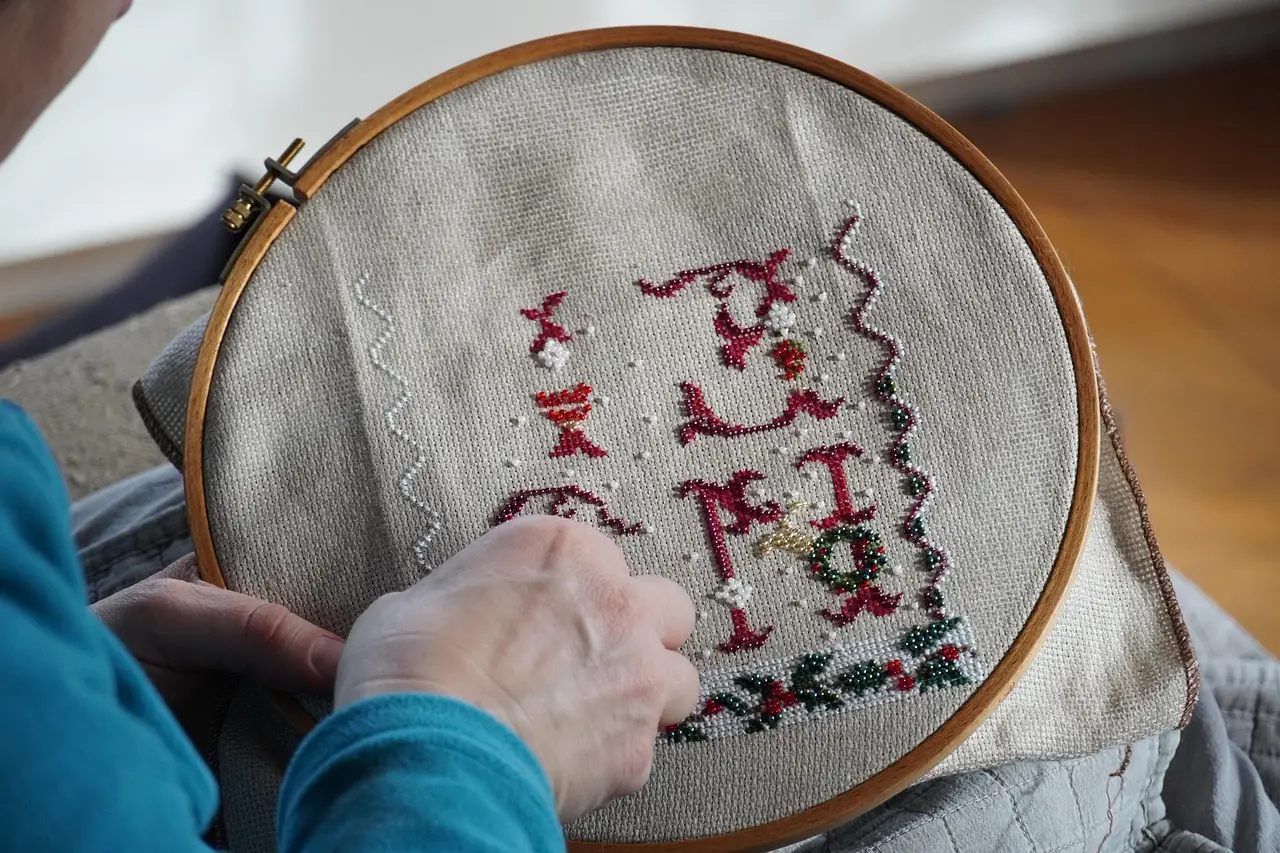
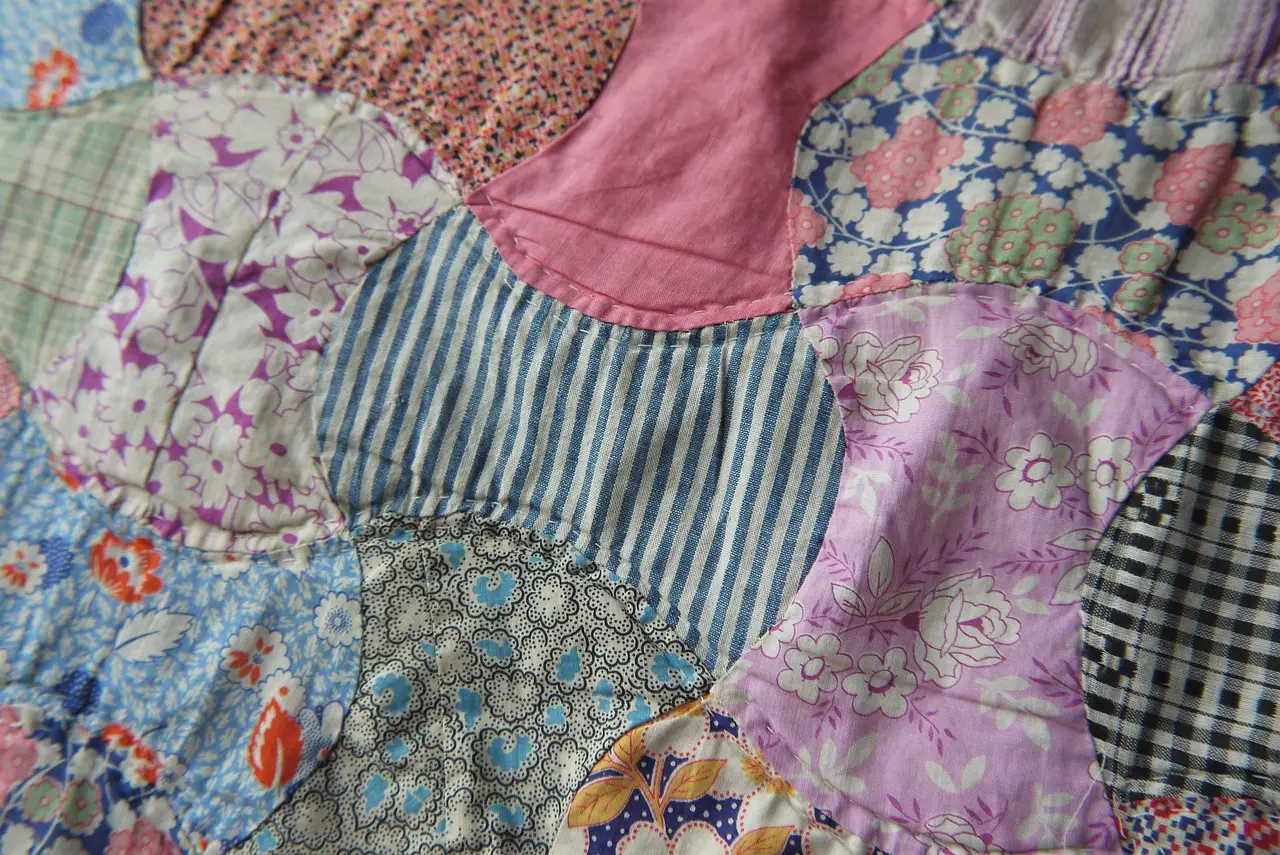
I took a stitching class to test the difference. Doris Pettway Mosely, daughter of celebrated quilter Leola Pettway, corrected my needle angle with the patience of someone who has quilted since age 11. Mary Margaret Pettway, a fourth-generation quilter whose work has shown in major museums across the country, taught the rest of the room. Both kept the tone light. When Doris told me my stitches were nice and short, I sat up straighter.
Mary Margaret learned the craft at four. "I learned at four years old," she told me, crediting her mother, Lucy T. Pettway. In that house, quilting ranked as a chore alongside mopping or sweeping the yard, and the boys learned too.
Where the quilts come from
Gee's Bend takes its name from Joseph Gee, who established a cotton plantation in this bend of the Alabama River in 1816. Enslaved people and their descendants pieced quilts from worn-out work clothes, denim, and scraps to keep families warm through winter. Each fall, women hung the quilts outside to air before the cold — the ritual that gave the festival its name.
Among the earliest named quilters was Dinah Miller, taken from West Africa as a girl in 1860, likely aboard the Clotilda, the last known slave ship to reach the US. She settled in Gee's Bend in the 1890s. At the festival's River Gallery, a quilt called Remembering Dinah, pieced from faded denim and mustard corduroy with back pockets and frayed knees left intact, marked that lineage.
The tradition also carried political weight. Black residents who tried to register to vote risked losing jobs and land. In 1962, officials shut the ferry to the county seat, cutting residents off from grocery stores, banks, schools, and medical care; it did not run again until 2006. Four years after the closure, the community founded the Freedom Quilting Bee, a cooperative giving local women income their white employers could not take away. Father Francis X. Walter, an Episcopal priest, organized auctions in New York, where the designs caught the eye of tastemakers like Sister Parish. The quilts sold at Bloomingdale's and Saks Fifth Avenue.
What does recognition change for the quilters?
The art world arrived late. "The Quilts of Gee's Bend" opened at the Museum of Fine Arts, Houston, in 2002. Ten quilts appeared on US postage stamps in 2006. This summer, Ralph Lauren launched a limited-edition collection of apparel, quilts, and home goods using designs by quilters Claudia Pettway Charley and Loretta Pettway Bennett.
Yet institutional acclaim has not stopped exploitation. Mary Margaret said quilters have seen their work copied and sold without compensation — a recurring problem the festival directly addresses. Buyers purchase from the quilters' booths, or their porches, and know the money reaches the artists.
Authenticity has a hard test, according to Mary Margaret: "[An authentic] Gee's Bend quilt is not quilted by a sewing machine." She added: "And it's important to understand that every quilt is not alike. Everyone who quilts is not alike."
The festival grounds held more than 40 booths this year, selling quilts, wall hangings, puzzles, notebooks printed with Gee's Bend patterns, doormats, quilted totes, and pot holders. Guests come from as far as France and England, Mary Margaret said. "They want to immerse themselves in Gee's Bend." Doris said she looks forward to the festival all year: "I get to meet a lot of people I've never seen before." This year she met a 97-year-old quilter from Marion, Alabama, whose work she admires.
Mary Margaret's own son and daughter now quilt with patterns passed down through the family. "To me a quilt says home," she said. "It says warmth. It says care. It says time." With a fifth festival complete and museum demand still growing, the open question is whether the direct-sales model scales fast enough to outpace the copying.
Original: fqblegacy.org
More from Tom Whitfield
Show full bio
Market editor covering people, launches and day-to-day practice in arts in the broadest sense at Arts & Voices.
1,757 articles