Global Futures brings mosaics, roots and Gaza to Frieze Abu Dhabi
Tarini Malik’s Global Futures unites seven solo shows at Frieze Abu Dhabi, from Ala Younis’s 11 Abu Dhabi mosaics to Mohammed Joha’s Gaza works and Seta Manoukian’s Civil War paintings.
Programme
- Frieze Abu Dhabi takes place at Manarat Al Saadiyat from 19 to 22 November.
- Global Futures contains seven solo presentations curated by Tarini Malik.
- Ala Younis will show 11 Climate Conditions mosaics with Taymour Grahne Projects.
- Naked Sweet Potato first appeared at the UAE National Pavilion during the 2011 Venice Biennale.
- Marfa’ Projects’ Manoukian selection comprises around five or six works.
By Marcus Bennett
Frieze Abu Dhabi will run at Manarat Al Saadiyat from 19 to 22 November. Its Global Futures section will unite seven solo presentations under one curatorial framework. Curator Tarini Malik presents the projects as distinct systems of knowledge that preserve memory and lived experience.
The programme brings together Abdullah Al Saadi, Tania Candiani, Arshi Irshad Ahmadzai, Godfried Donkor, Mohammed Joha, Ala Younis and Seta Manoukian from seven distinct artistic and cultural backgrounds.
What connects these seven solo presentations?
Frieze Masters Abu Dhabi will investigate historic routes of migration, trade and cultural exchange across the Indian Ocean. Malik sets Global Futures against that backdrop, carrying similar concerns into contemporary practices and personal histories.
“The process of putting together Global Futures actually came together quite beautifully and organically,” Malik said. “We started with a number of proposals, looking at projects that felt so apt to this moment.”
Malik said the selection asked what a fair meant in Abu Dhabi, how its international constellation of galleries shaped the city, and which cultural conversations mattered most at that moment.
How do artists make place and memory visible?
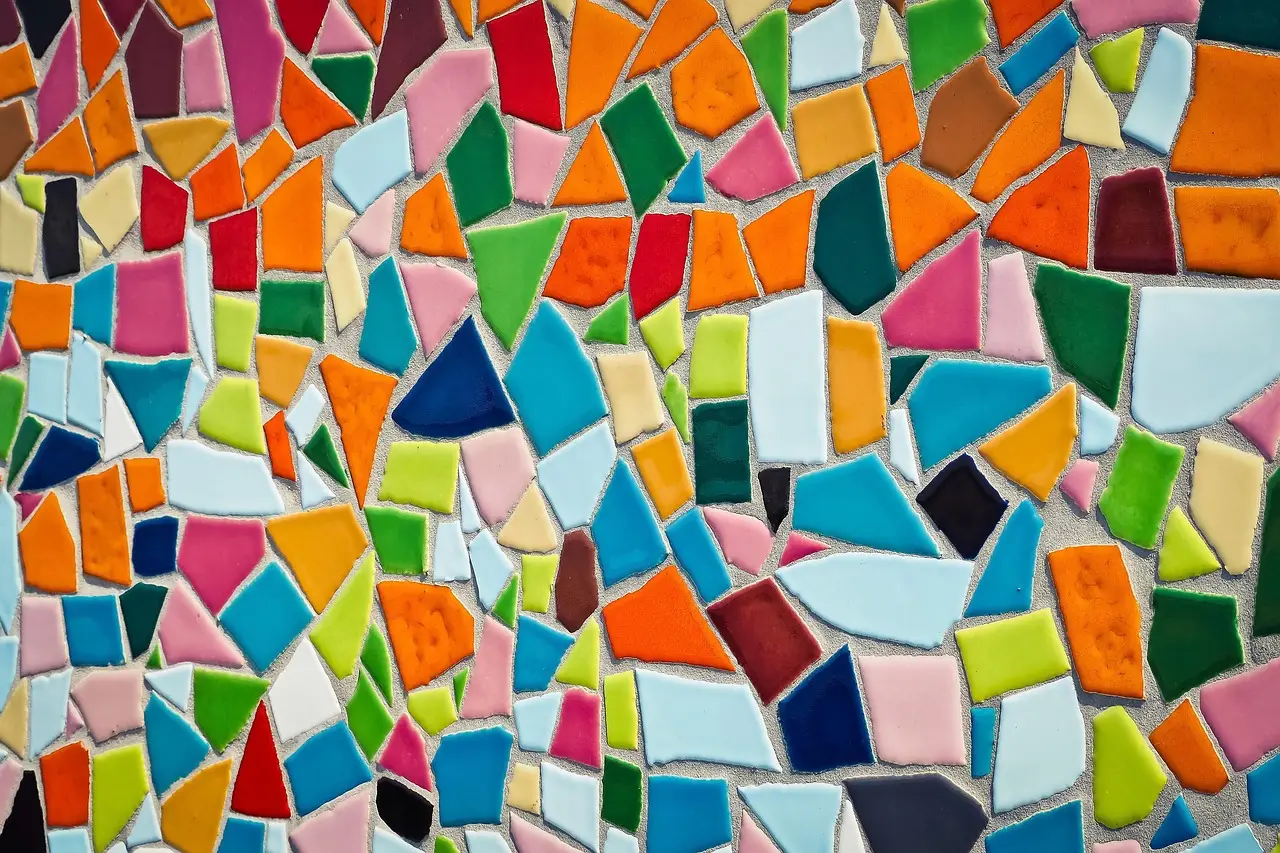
With Taymour Grahne Projects, Kuwaiti artist Ala Younis will show 11 works from Climate Conditions. The mosaic panels combine hand-cut stones with metal frames. They depict old offices, municipal buildings and other overlooked structures across Abu Dhabi.
Younis first unveiled the series in a 2025 solo exhibition at the NYU Abu Dhabi Art Gallery. It followed a three-year stay in the Emirati capital, where she sought to document and commemorate buildings as she saw them amid the city’s rapid change.
Her mosaics invoke Roman tiles that outlasted the structures they once decorated. The title refers to how the buildings interact with the environment. Their wood and metal expand and contract with changes in humidity and temperature, giving the series a material record of climate.
Mexican artist Tania Candiani looks below ground. Galeria Vermelho presents Root Systems, which charts plant-root networks in embroidery. The fair’s programme describes it as a subterranean language with its own systems of exchange and communication.
Malik said Candiani and Younis established complementary points of departure. Their projects share migration, ecology and transformation across different structures and temporalities.
Aisha Alabbar Gallery presents Emirati artist Abdullah Al Saadi’s Naked Sweet Potato. He develops a personal alphabet by studying the shapes and textures of sweet potatoes through his engagement with the terrain of his native Khor Fakkan.
Al Saadi turns the vegetable into jewellery and uses it to revisit his childhood. He also records excursions into the UAE countryside through a personal lexicon rooted in the sweet potato.
The series includes drawings, paintings, sculptures, engravings and collected materials. It first appeared at the UAE National Pavilion during the 2011 Venice Biennale.
Reconstruction from ruin
Palestinian artist Mohammed Joha, who is based in France, presents No Shelter with Zawyeh Gallery. The project builds on the series appearing at this year’s Venice Biennale, where it remains on view until 22 November.
Joha’s canvases layer discarded textiles, paper and cardboard into stratified, abstract landscapes. Their bright surfaces register the destruction of his native Gaza and the forced displacement of its population.
The fair’s programme traces the project to Joha’s experience of watching Gaza’s destruction from abroad. It calls the work an expression of heartache, linking shredded materials to devastation and forced displacement.
Yet the canvases’ vivid assembly rejects ruin as an endpoint. Discarded textiles, paper and cardboard form bright, abstracted landscapes, making reconstruction visible within the materials of destruction.
“I looked at projects that reflected the turbulence of our times, the violence of our times,” Malik said. “Things can feel unsettled and art opens up a dialogue for us to understand one another.”
Eternity, popular culture and post-conflict work
Indian-born artist Arshi Irshad Ahmadzai appears with Mumbai-based gallery Chatterjee & Lal. Her series Azal se Abad tak comprises drawings and paintings on cloth. The works examine how different cultures have articulated the concept of eternity.
Ghanaian artist Godfried Donkor shows with Gallery 1957. His paintings, collages and embroidery draw together comic-book superheroes, boxing athletes and mythological figures.
Marfa’ Projects presents Lebanese artist Seta Manoukian, a figure in the late 1960s Beirut art scene. Her paintings offer an often otherworldly depiction of life during the Lebanese Civil War, while works made after she emigrated to Los Angeles in the late 1980s sought stability and certainty in the conflict’s aftermath.
Marfa’ will include works from T-Shape, alongside pieces from Rose and Rock and one early figurative painting. Malik said the selection of around five or six works was intended to build a journey through Manoukian’s life and work. She described the artist as iconic.
What does this change for visitors?
For visitors, the practical change is how the fair is read. Global Futures sets architecture against roots, a sweet-potato alphabet against paintings on cloth, and layered debris against images of war and survival.
Malik said the selection aimed to represent each body of work as fully as possible. She also sought shared connections in the UAE and rapidly transforming Abu Dhabi, without reducing where artists come from or what they address.
When the doors open on 19 November, the test will be whether visitors can read those shared connections without losing the specificity of each artist’s history and medium.
Source: theartnewspaper.com
More from Marcus Bennett
Show full bio
Staff writer covering people, launches and day-to-day practice in arts in the broadest sense at Arts & Voices.
1,481 articles