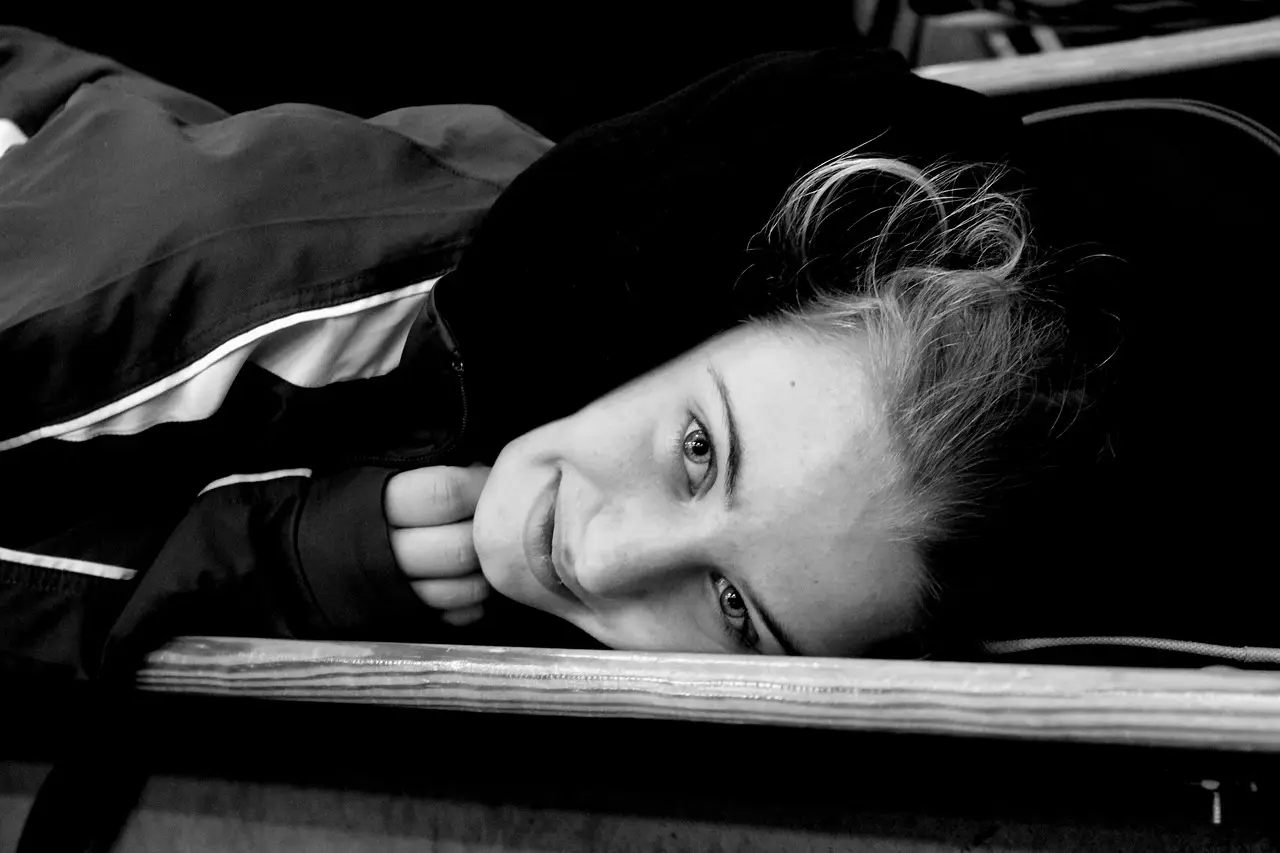
“Good Girls” Required Two Years Before Filming Could Begin
Ania Winiarska’s “Good Girls” documents a Polish girls’ center where abuse, truancy and mental illness meet outdated discipline. The director warns that punishment can deepen harm.

Programme
- Ania Winiarska waited two years before filming could begin inside a Polish girls’ correctional center.
- The documentary follows girls aged 10 to 18.
- One girl with undiagnosed depression spent three weeks in bed before police handcuffed her in her pyjamas.
- Residents leave at 18 with a small amount of money; some spend it on parties or become pregnant over summer breaks.
- “Good Girls” premieres at the Ji.hlava Intl. Documentary Film Festival, with international rights sold by Stranger Film Sales.
By Grace Kim
Ania Winiarska waited two years before she could begin filming “Good Girls” inside a Polish correctional center for girls. The documentary premieres at the Ji.hlava Intl. Documentary Film Festival, and Stranger Film Sales is selling its international rights.
Variety lists Story, Film i Väst and Tekele Productions as the producers. Winiarska is a Polish director who lives in Sweden. She said her earlier films about boys or men had made gaining trust natural, but the teenage girls carried more shame than she expected.
How did Winiarska gain the girls’ trust?
At first, the girls treated her as another adult inside a strict institution where residents had to obey every rule. Winiarska said they saw her as both an outsider and part of the system, and her access stalled for six months. She had never encountered that problem before and nearly abandoned the project.
Once the center accepted her, Winiarska said, no further problems arose. Staff told new residents that she was good and not a snitch. From then on, the center had no further issues with her.
What does the center reveal about punishment and care?
The film enters a facility holding girls aged 10 to 18. Some have escaped abuse; others are there after skipping school, drinking or dating. Discipline and constant surveillance shape their daily routine, according to Winiarska’s account to Variety.
Winiarska said most staff mean well, but she found the system outdated and shocked by a world that seemed unchanged for decades. Rather than helping girls catch up with the 21st century, the institution teaches them to cook and sew. Religious classes were compulsory while she filmed, although they were no longer compulsory when she spoke.
Her critique extends to the labels good and bad girl, which she says remain influential in Poland and elsewhere despite gradual social change. She said girls are still expected to be quiet and obedient. Families often avoid discussing growing up, puberty and sex education, she added.
She credits her supportive parents with helping when she got into trouble. Without their help, she believes she might have ended up in the center herself.
The center’s stated purpose is resocialization: preparing people to return to society after committing a crime or coming close to one. Winiarska said many residents do not fit that profile. Several arrive for reasons outside the center’s stated model:
- Skipping school
- Pregnancy
- Drug or alcohol use
- Mental health problems that families cannot or will not handle
One girl’s case made the mismatch explicit. She had undiagnosed depression and spent three weeks in bed, Winiarska said. Her mother had similar problems and could not help; the school also failed to help. Police eventually handcuffed the girl in her pyjamas.
Winiarska said she grew close to the people who worked there, and they admitted they were not trained as psychologists. “That’s the problem: they don’t recognize their actual needs... it damages you even more,” she said. Her conclusion was direct: locking up and punishing a girl who is already mentally unwell compounds the harm.
Winiarska said some residents come from neglectful homes and have experienced different forms of abuse. At the center, they receive regular meals, attend school and can talk to someone when they feel bad. She said they often lacked that care at home, even though the institution restricts their freedom.
The arrangement is contradictory in her view. It offers immediate safety while restricting present freedom, yet fails to prepare residents for adult life. Her criticism therefore reaches beyond the conditions inside the center: it also concerns the lack of support when its residents leave.
What could “Good Girls” change for girls leaving at 18?
They leave with a small amount of money and little direction about what comes next, Winiarska said. Some spend the money on parties or become pregnant over summer breaks. She called that outcome a vicious circle.
Winiarska said she only began to understand what mattered in life when she reached her 30s. Her own daughter is 10, an age that frightens her. She described the girls as strong and funny.
She said they lack the understanding to manage the world at that age while the world fails to understand them. Coming from a disadvantaged family, she said, makes it easier to fall into what she called a big black hole.
Winiarska’s hope is practical rather than abstract: “If this film could change something in our society, it would be so wonderful,” she said. What that could change is the system around each girl: whether staff recognize needs they cannot currently assess, and whether departing residents receive preparation rather than only a small amount of money. The film’s test is social change, not merely visibility.
Source: Variety Film
More from Grace Kim
Show full bio
Correspondent covering technology and product news in arts in the broadest sense at Arts & Voices.
941 articles