Goya Museum Reopens in Zaragoza With 360-Degree Immersion Room
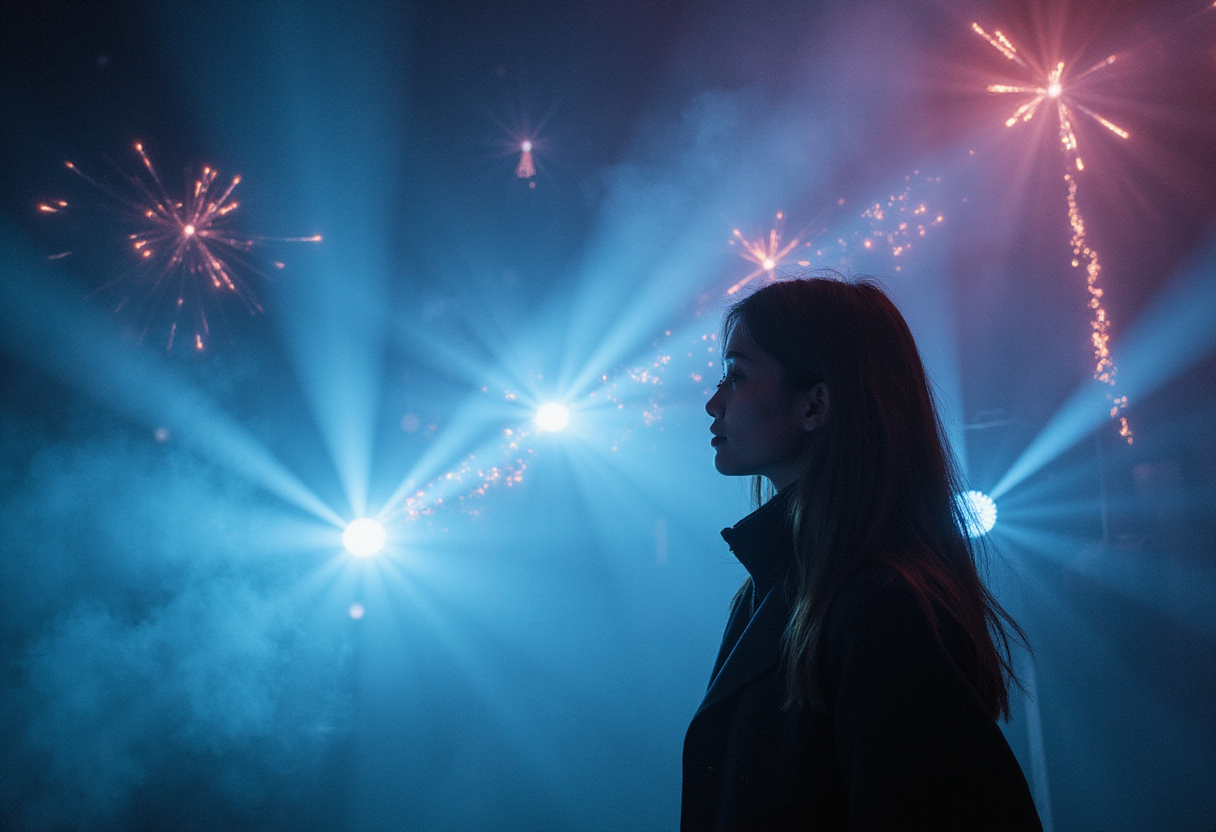
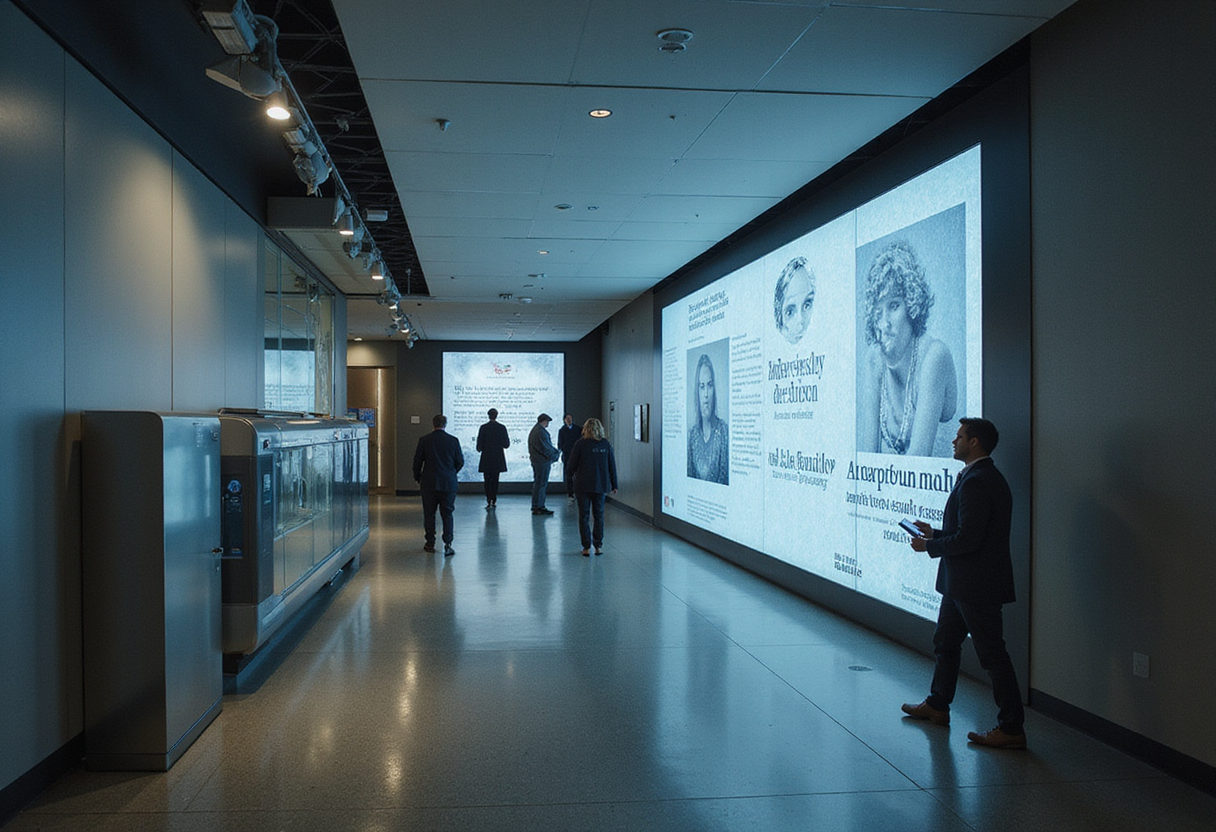
The Goya Museum in Zaragoza has reopened around a 360-degree projection room. The chamber drops visitors inside Goya's visions of a 'tumultuous era' and asks whether the nightmares still describe this century.
Programme
- The Goya Museum has reopened in Zaragoza, Spain.
- The reopening centres on a 360-degree projection room built for the institution.
- The chamber immerses visitors in imagery drawn from Goya's catalogue.
- Launch materials frame the room as positioning Goya's depictions of a 'tumultuous era' as experiential.
- Original coverage titles the reopening 'Goya's Nightmares Seem Scarily Relevant.'
The Goya Museum in Zaragoza, Spain, has reopened. Added to the institution is a 360-degree projection room.
The chamber drops visitors inside the artist's visions of a "tumultuous era." The launch framing carries an unspoken wager, plain enough to be plainly stated: Goya has not, as yet, retired, and his nightmares still describe the present century in language the viewer recognises on entry.
What does the room change?
Two things, specifically. First, the architecture — a 360-degree projection space engineered for this reopening. Second, the curatorial bet. Goya's depictions, the launch materials argue, transmit more cleanly as direct reportage than as historical artifact.
Immersive is a term borrowed from theme-park design. Here it is redirected at old-master brushwork. The borrowed vocabulary is itself the institution's editorial stance: the work travels best when the visitor feels it before reading it.
The bet is implicit but legible. A Spanish institution stating, in this decade, that the Goya catalogue still operates as current commentary has opened with a thesis. Visitors were always going to be asked to test that thesis on entry. The room is the test.
Why "nightmares," and why now?
The original coverage titles the reopening "Goya's Nightmares Seem Scarily Relevant." "Nightmare" signals content the eye cannot fully dismiss. "Relevant" is the editor's wager, applied across two centuries and aimed squarely at the present.
The phrasing matters because it rejects the polite museum adjective. Goya was not asked, here, to be "timeless." He is asked to be current.
A reassessment on this scale rarely arrives without a thesis. This reopening arrived with one.
What stays unresolved?
The standard question of any immersive gallery: does the format illuminate the work, or does it borrow the work's gravity merely to advertise the technology? The Goya Museum has not answered that publicly. It installed the room. It stepped back. The verdict now belongs to visitors.
There is also a quieter risk, less discussed in launch copy. An immersive room brings the work close. With Goya, close is rarely comfortable for the institution.
What's next?
Expect the chamber to function as the institution's primary test case. Repeat visitation, dwell time (a standard museum metric — average minutes per gallery), and the press's read together will determine whether the programming rotates or holds. Either way, the launch text now precedes the public's verdict.
A dry-wit footnote. There is something wry in this reopening arriving when it does — and a Spanish museum arguing, in this decade, that Goya understood our century. The Goya Museum has decided it does. The 360-degree room is its first exhibit of that argument. The chamber is the institution's wager; the public's first verdict will decide whether it collects.
Source: NYT Arts
More from Daniel Okafor
Show full bio
News editor covering companies, deals and strategy in arts in the broadest sense at Arts & Voices.
446 articles