Grandchildren of Mysore's Maharaja Restore 120-Year-Old Bungalow
Aditya Guru Dev and Samyukta Lakshmi, grandchildren of the erstwhile Maharaja of Mysore, spent years restoring a 120-year-old bungalow with lime mortar, Mangalore tiles, and Kinnala dolls.
Programme
- Restoration of the 120-year-old bungalow in Mysore began in 2019.
- Aditya Guru Dev and Samyukta Lakshmi are grandchildren of the erstwhile Maharaja of Mysore.
- The roof was rebuilt with original-type Mangalore tiles; early-20th-century Basel Mission terra-cotta tiles were retained.
- Kinnala dolls come from a 500-year-old craft cluster in Karnataka's Koppal district.
- Designer Shruti Jaipuria of MAIA Design Studio and conservation architect Sanjog Shetty led the project.
By Elena Vasquez
A 120-year-old bungalow in Mysore, India, has been restored by Aditya Guru Dev and Samyukta Lakshmi, grandchildren of the erstwhile Maharaja of Mysore. Work began in 2019. The house, now named Raj Vilas, started as a four-bedroom boutique accommodation project and became the family's weekend retreat instead.
Designer Shruti Jaipuria of MAIA Design Studio led the interiors. Conservation architect Sanjog Shetty, an old friend of Guru Dev's, handled the structure. "When you go to cities like this, you want to experience them for what they are; you don't necessarily want to stay in a cookie-cutter hotel that could be anywhere in the world," Jaipuria said. "We wanted people to experience Mysore in an authentic and rooted way, through the architecture, interiors, and crafts of the region."
How Was the Structure Restored?
When Shetty received the call, the building was structurally sound but failing elsewhere: rotted rafters under the tiled roof, tired window frames, and lime cornices crumbling at the edges. His team stripped later finishes and re-plastered the walls in lime mortar. They dismantled the roof systems where necessary, replaced timber beyond saving, treated and reused what was salvageable, and rebuilt the pitched roof with the same Mangalore tiles it had always carried.
Early-20th-century Basel Mission terra-cotta tiles were retained in select areas throughout the house. "Every aspect was important to maintain the character of the building," Shetty said. "Without the authenticity of the construction technique, the restoration would have lacked the soul of what we were preserving."
The takeaway: the restoration prioritized original construction techniques over convenience, down to the mortar.
What Do the Interiors Look Like?
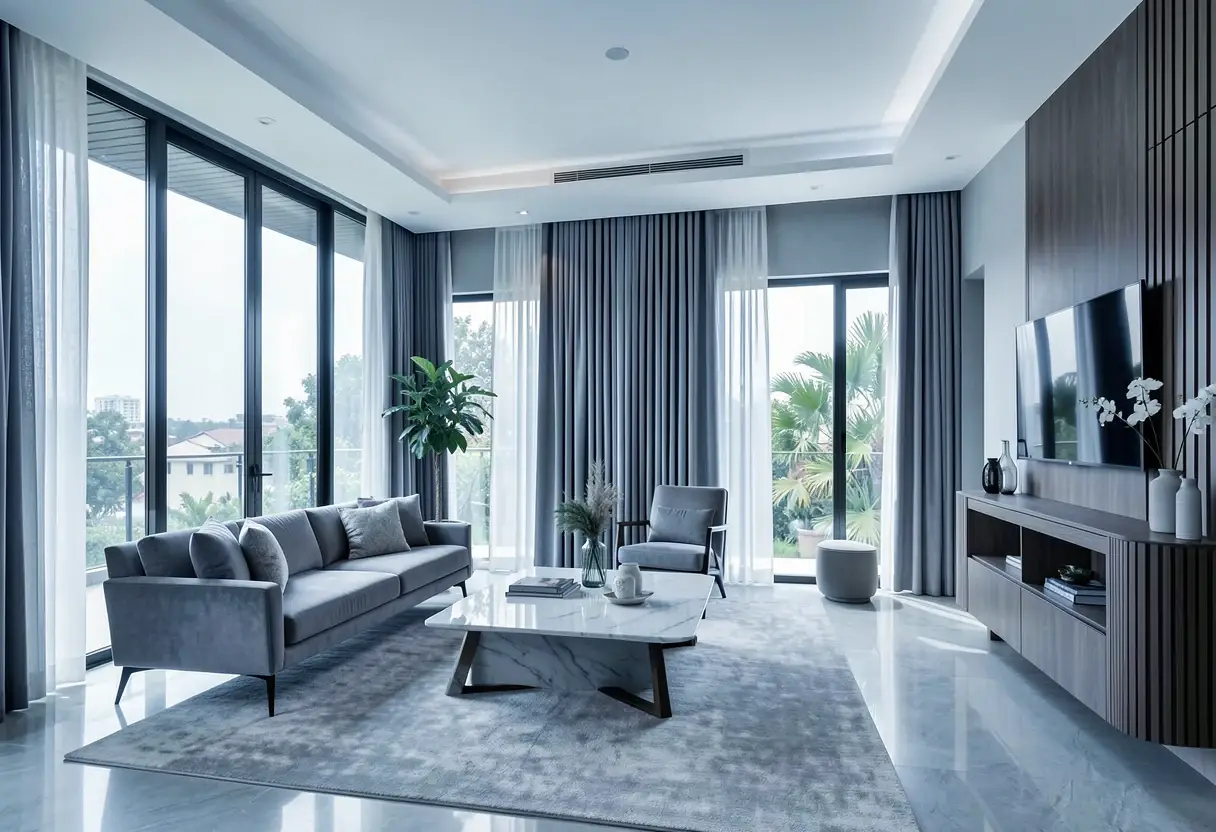
The bedrooms take their colors from the region's birds. One is painted the soft ochre of a yellow-throated bulbul; another, the many blues of an Indian roller; a third, the white and pink of a painted stork. The homeowners are birdwatchers, and Mysore hosts one of the region's best-known bird sanctuaries.
Jaipuria's brief was explicit: restore wherever possible, replicate otherwise, introduce nothing anachronistic. "The client was very clear that we had to use as many original elements as possible," she said. "Even new interventions were replicated to resemble the originals, such as the doors and windows, and the POP moldings replicated the originals in all of the rooms."
The 120-year-old staircase was retained, with only the landing railings rebuilt to match. Furniture came from antique dealers in Bangalore, Mumbai, and Kerala, including pieces from Saanchi, Gulmohar Lane, Mahendra Doshi, and Accurate Antiques.
Where Did the Art Come From?
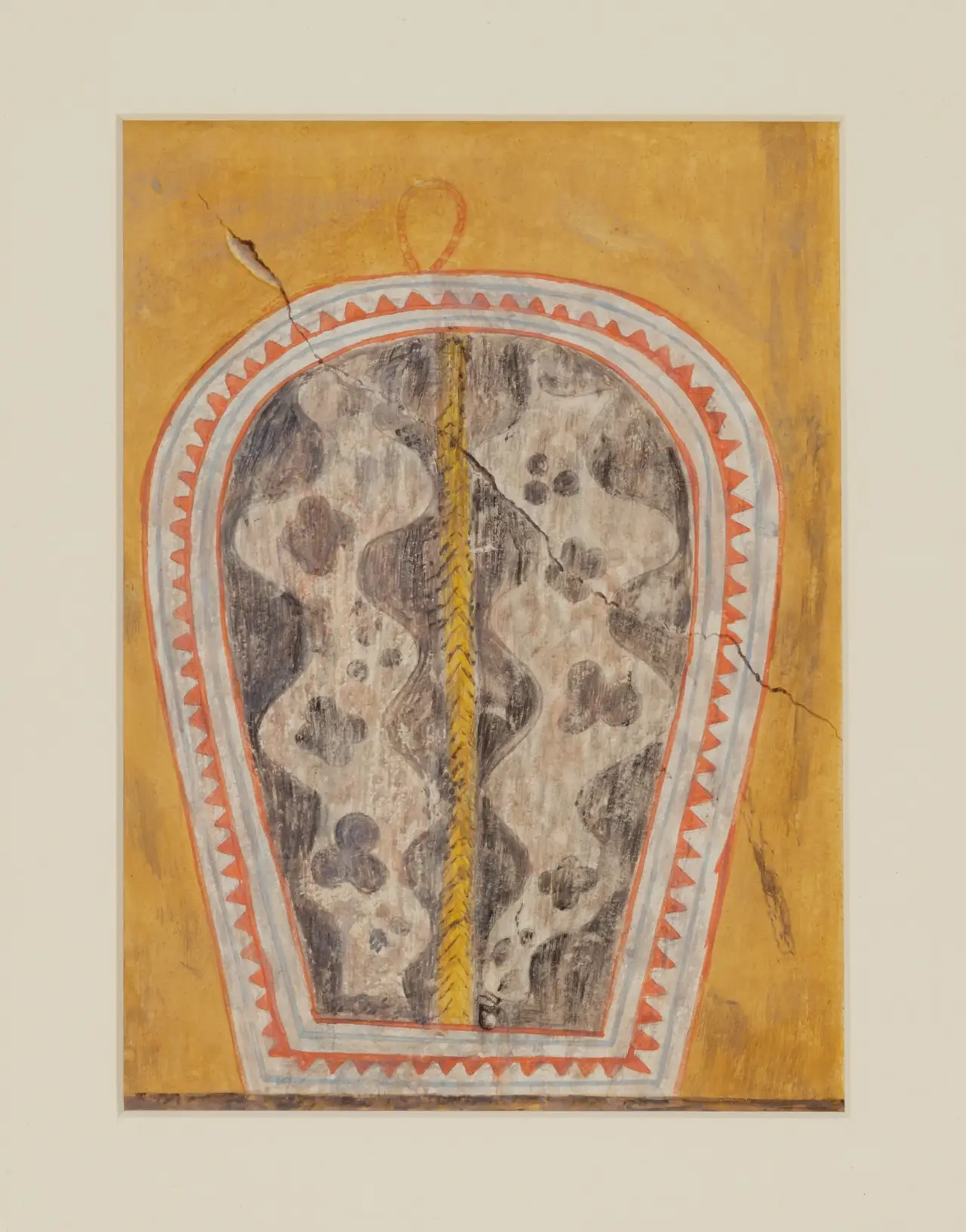
Digging through old family books, Jaipuria found the Sri Tattva Nidhi, a compilation of art, music, and literary passages assembled by Krishna Raja Wodeyar III, one of the Mysore maharajas. Framed reproduction prints from it now hang throughout the house.
A trip to a doll museum in Koppal turned up Kinnala dolls, and the team bought enough to fill the house. "These are wooden dolls made in the Koppal district of Karnataka, which is a 500-year-old craft cluster," Jaipuria said. "We wanted each element in the project to tell a story and be relevant beyond aesthetics."
The bathrooms and kitchen borrow from colonial design, with modern fixtures styled to appear vintage against Basel tile floors and brass fittings. Comfort, Jaipuria stressed, was not sacrificed to traditional design.
Why Does It Matter?
The family could have demolished a decaying bungalow and built something simpler. Instead, they spent years identifying rafters worth saving and matching old joinery to the millimeter. Shetty's closing argument applies well beyond Mysore: "We don't have to demolish old buildings. They can be given a new lease of life and made functional."
Styling: Samir Wadekar
Original: maiadesignstudiohi.com
More from Elena Vasquez
Show full bio
Senior reporter covering technology and product news in arts in the broadest sense at Arts & Voices.
606 articles