Harlem Hospital's WPA Murals Restored After Decades in Public View
NYC Health + Hospitals completed conservation of three WPA-era murals and a John Rhoden sculpture at Harlem Hospital on October 14, restoring works from 1937 and 1940.
Programme
- Conservation completed Wednesday, October 14, at Harlem Hospital.
- Restored works include Alston's "Magic in Medicine" and "Modern Medicine" (both 1940) and Hayes's eight-panel "Pursuit of Happiness" (1937).
- In 1936 administrators objected to the designs citing "too much black subject matter"; the hospital commissioner reversed the decision after public protest.
- The works were commissioned through the WPA's Federal Art Project.
- The restoration was carried out by NYC Health + Hospitals' Arts in Medicine department.
NYC Health + Hospitals finished conservation work on three New Deal-era murals and a John Rhoden sculpture at its Harlem hospital on Wednesday, October 14.
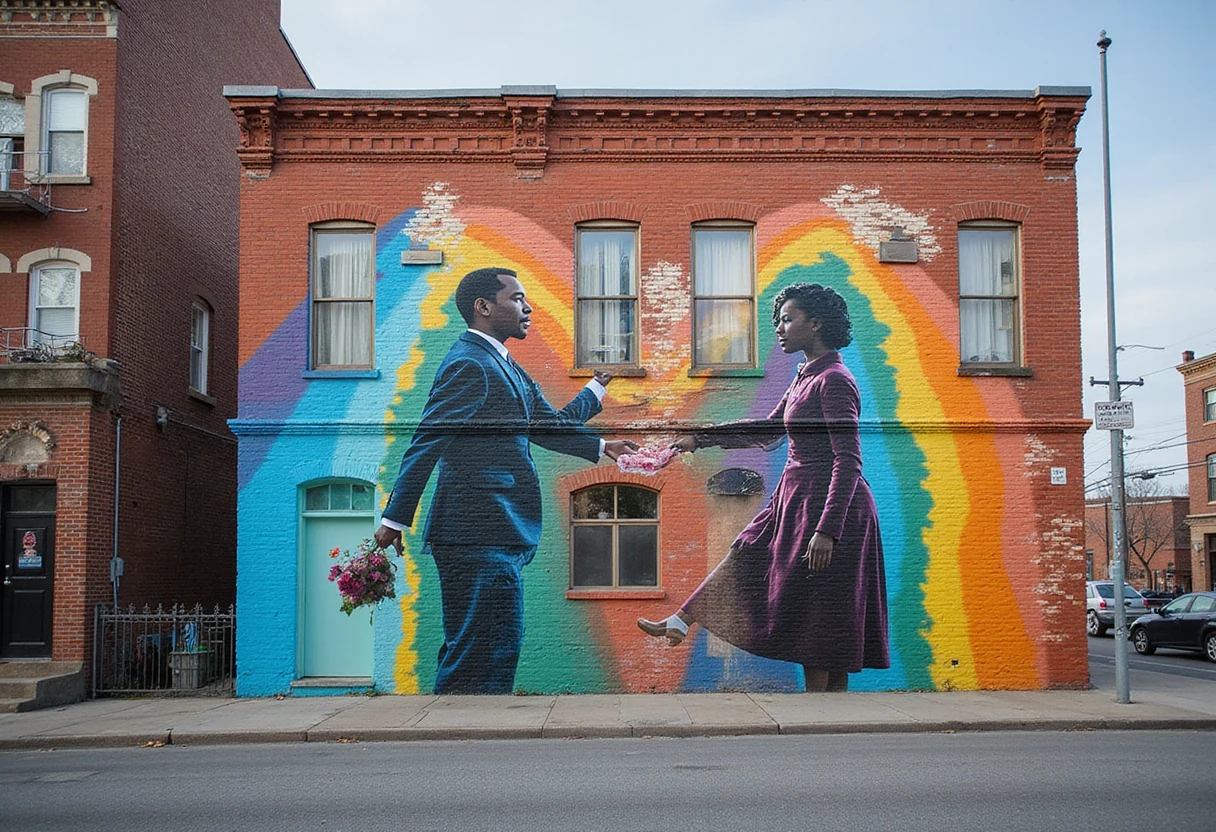
The restored works live in the hospital's indoor mural pavilion. They date from the Great Depression, when Black artists won unprecedented access to major public commissions through the Works Progress Administration's Federal Art Project. The conservation effort covered:
- Charles Alston's two companion murals, "Magic in Medicine" (1940) and "Modern Medicine" (1940)
- Vertis Hayes's eight-panel mural, "Pursuit of Happiness" (1937)
- A sculpture by John Rhoden
The program behind the restoration is NYC Health + Hospitals' Arts in Medicine department, which oversees the collection.
What almost stopped these murals in 1936?
The works nearly never went up. "In 1936, when these designs were submitted, administrators at the time objected to them because they said there was 'too much black subject matter,'" Larissa Trinder, head of the Arts in Medicine program, told Hyperallergic in a phone interview.
Artists publicly protested the verdict. The hospital commissioner then reversed the decision, and the murals went forward — a reversal that itself became part of the story of Black artists claiming space in federal public art.
That history sits inside a functioning hospital rather than a museum. The pavilion keeps the works accessible to patients, staff, and Harlem residents, which is also why they need periodic conservation.
What does the restoration change?
For visitors, the murals are now in their conserved state, with the surface damage and aging typical of works hung for over eight decades addressed by the October 14 completion. For the hospital system, the project confirms its role as a custodian of one of the significant clusters of WPA-era murals by Black artists still in their original institutional setting.
What the announcement does not say is how the works' condition was assessed before treatment, which conservators carried out the work, or what the Rhoden sculpture required — details that would tell us how deep the intervention went. The completion date is confirmed; the scope is described only in general terms.
The restoration closes a chapter on works that survived an initial rejection, a federal art program's collapse, and more than 80 years of continuous public display — and leaves them in place for the next one.
Original: smithsonianassociates.org
More from Tom Whitfield
Show full bio
Market editor covering people, launches and day-to-day practice in arts in the broadest sense at Arts & Voices.
584 articles