‘Hell’s Kitchen’ brings Alicia Keys’ hits to Baltimore’s Hippodrome
Alicia Keys’ Broadway jukebox musical reaches Baltimore’s Hippodrome with potent voices and gymnastic dancing, but excessive amplification and a face-level spotlight blunt the lyrics.
Programme
- “Hell’s Kitchen” runs through November 22, 2026, at The Hippodrome Theatre in Baltimore.
- The running time is two hours and 35 minutes, with one intermission.
- The musical premiered Off-Broadway at the Public Theatre in 2023 and moved to Broadway in 2024.
- The review counted 15 or so speakers on either side of the stage, plus some across the downstage floor.
- The musical drew 13 nominations and won two Tony Awards, a GRAMMY Award and other theater honors.
Daniel Okafor
About 15 proscenium-height speakers crowd Alicia Keys’ Hell’s Kitchen at The Hippodrome Theatre in Baltimore. It is a Broadway jukebox musical, meaning one built around a hit catalog. The show lasts two hours and 35 minutes, with one intermission, and runs through November 22, 2026.
Music and lyrics come from GRAMMY Award-winning singer, songwriter and pianist Alicia Keys; Kristoffer Diaz wrote the book. Keys and Adam Blackstone provided the arrangements. The score mixes pop, R&B (rhythm and blues), soul and hip-hop, combining Keys hits with songs written specifically for the show.
The production history includes a South Korean staging earlier this year, with Keys involved in translating the dialogue and lyrics. A national tour began last year. The musical premiered Off-Broadway at the Public Theatre in 2023 and moved to Broadway in 2024.
Its 13 nominations brought two Tony Awards, a GRAMMY Award, and Drama League, Drama Desk, Lucille Lortel, Outer Critics Circle, Theatre World, Dorian and Chita Rivera Awards.
What story does the jukebox tell?
The title refers to the Midtown West section of Manhattan, adjoining the Hudson River, where poor and working-class Irish Americans faced poverty, crime and violence in the 19th century.
Loosely based on Keys’ own experience growing up in 1990s Manhattan, the book follows Ali, a 17-year-old girl in a subsidized arts apartment building. Her protective mother anchors a story of romance, family dynamics and the search for her musical voice.
My verdict is “a rather simple story of a teenager’s search for a happy and rewarding future.” The premise is familiar from plays, films and television. As with jukebox musicals generally, the audience interest is in the music.
Which voices cut through?
Myia Ann Butler as Ali and Tyler Olshansky-Bailon as Jersey supply strong, powerful belting voices (full-volume, chest-led singing) with a wide range. Their melismatic singing (extended vocal runs) becomes difficult to parse under excessive amplification.
Desmond Sean Ellington as Davis and JonAvery Worrell as Knuck offer smooth R&B voices, particularly effective in the slow ballads. The cast has range, even when the sound system narrows the audience’s access to it.
Roz White earns a hearty bravo as Miss Liza Jane. Her teacher urges Ali to pursue her musical dreams and honor the legacy of Black women in classical music by studying and practicing piano. White’s diction makes every word clear. Her deep, strong voice gives each lyric meaning, while the muted performance carries restrained emotion.
Why does the design shout?
Dede Ayite’s costumes are colorful and diverse, cut in a casual 1990s style. They suit Camille A. Brown’s hip-hop, erratic ensemble choreography. The dancers show breathtaking gymnastic physicality, although their movement vocabulary has limited variety.
Robert Brill’s multilevel set for the apartment building is basic, but Natasha Katz’s lighting improves it. Moving lights mark the elevator’s journey from floor to floor, while other stage areas receive fewer visual changes.
Peter Nigrini’s projections supply a wide range of background photographs and designs. I especially enjoyed the changing views of Manhattan and other New York City locations. They give the bare set a geography it otherwise lacks.
A small band, conducted by music director Emily Orr, plays backstage rather than in the orchestra pit. Facial projections acknowledge the musicians at curtain call, extending Nigrini’s visual work into the company’s introduction.
Can the songs carry the plot?
Having seen Keys sing and play at several award shows, I was impressed by her talent and skill in performing and composing, though I was not familiar with her entire song catalog. That caveat matters once the catalog becomes the narrative engine.
At times, Keys’ songs further the plot. In other scenes, the story seems forced to accommodate them. This is the familiar bargain of a jukebox musical: the audience comes for the music, while the book makes room for the next number.
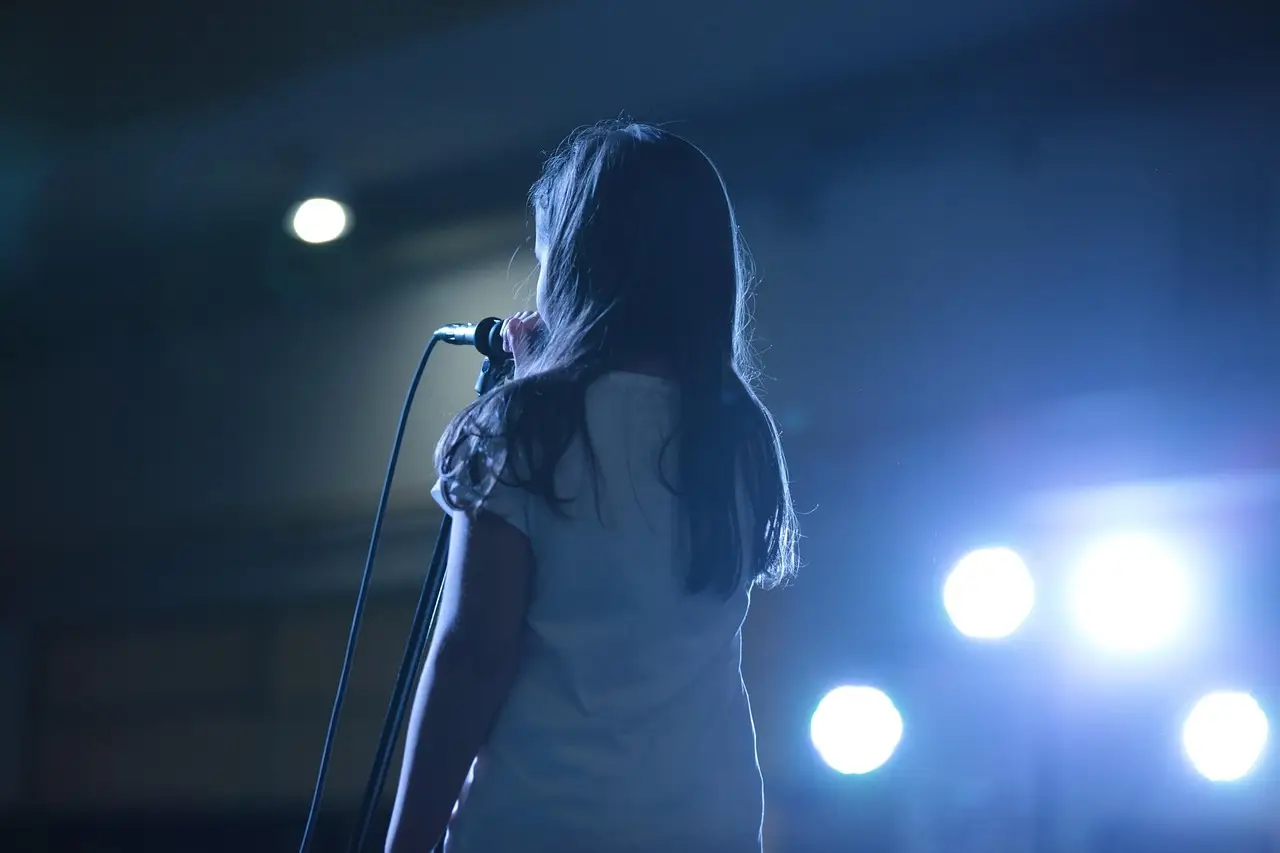
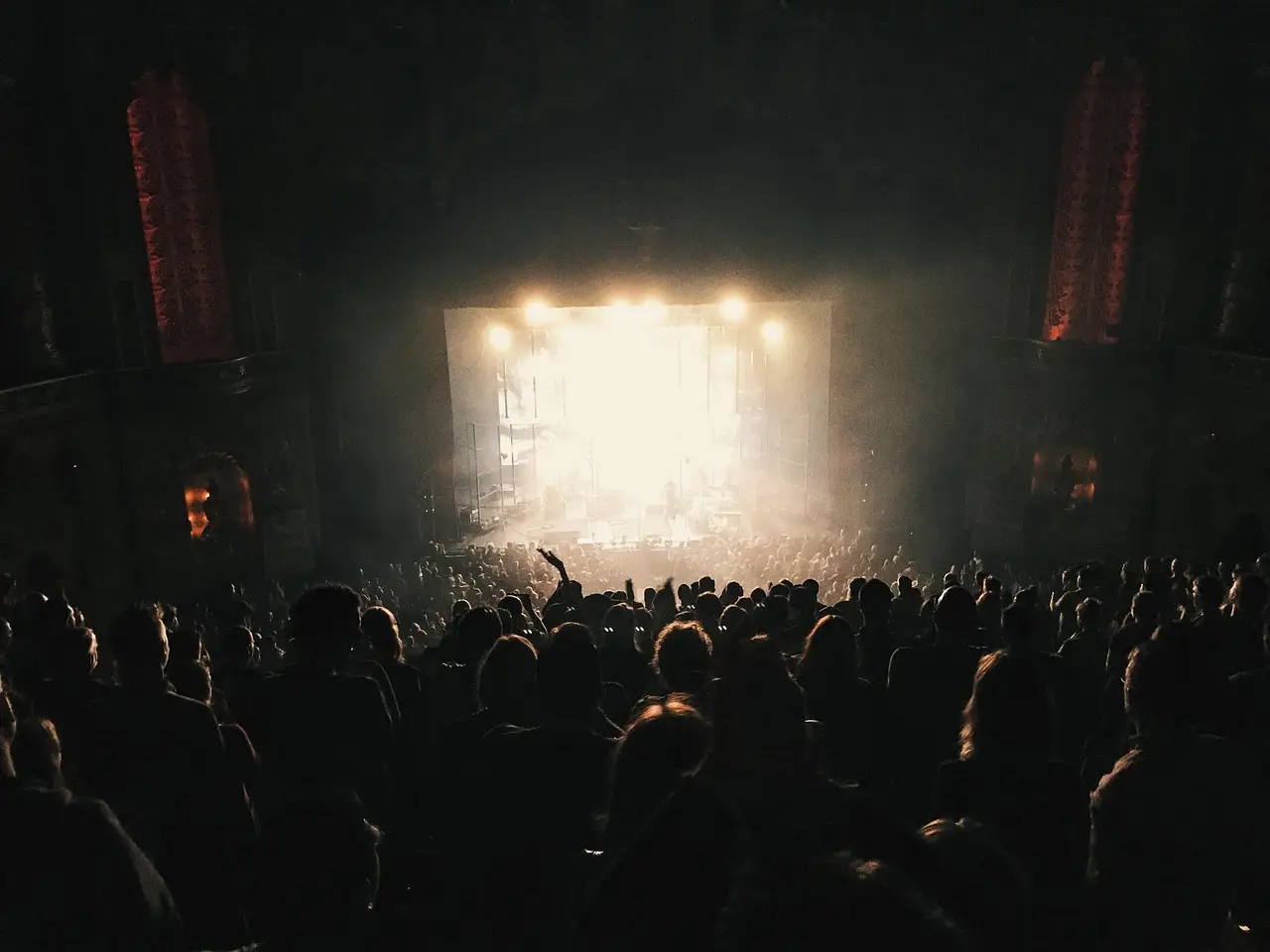
Stacks of 15 or so speakers rise on either side of the stage, reaching the height of the proscenium arch (the frame around the playing area), with some across the downstage floor (the front edge). Solo, duet and ensemble numbers all carry heavy amplification. I found the result “unnecessarily loud” and difficult to experience for the full performance.
A very bright revolving spotlight also hits audience faces, often obscuring sightlines.
The show carries an advisory for ages 8 and up, with some strong language and moments with mature themes. It plays The Hippodrome Theatre, 12 North Eutaw Street, Baltimore, MD 21201. Box-office hours are 11 a.m. to 3 p.m. Monday through Friday, and 11 a.m. to curtain on performance days; tickets are also available online.
For the rest of its 2026 run, the production should lower the volume and spare the audience the revolving spotlight. Keys’ songs can fill a theater without making listeners fight for them.
Source: mdtheatreguide.com
More from Daniel Okafor
Show full bio
News editor covering companies, deals and strategy in arts in the broadest sense at Arts & Voices.
1,577 articles