“I Voted” Stickers Cover Memorials to People Killed by ICE
Ahead of the November 3 election, voters pasted "I Voted" stickers on memorials to people killed by ICE, including Lorenzo Salgado Araujo, 52, shot dead in Houston in July.
Programme
- At least 31 people died in ICE custody in 2026 alone.
- Lorenzo Salgado Araujo, 52, was fatally shot by ICE in Houston in July.
- The November 3 election is the first nationwide general election since Trump's second term began in 2025.
- Dozens of Harris County 'I Voted' stickers cover Araujo's roadside memorial.
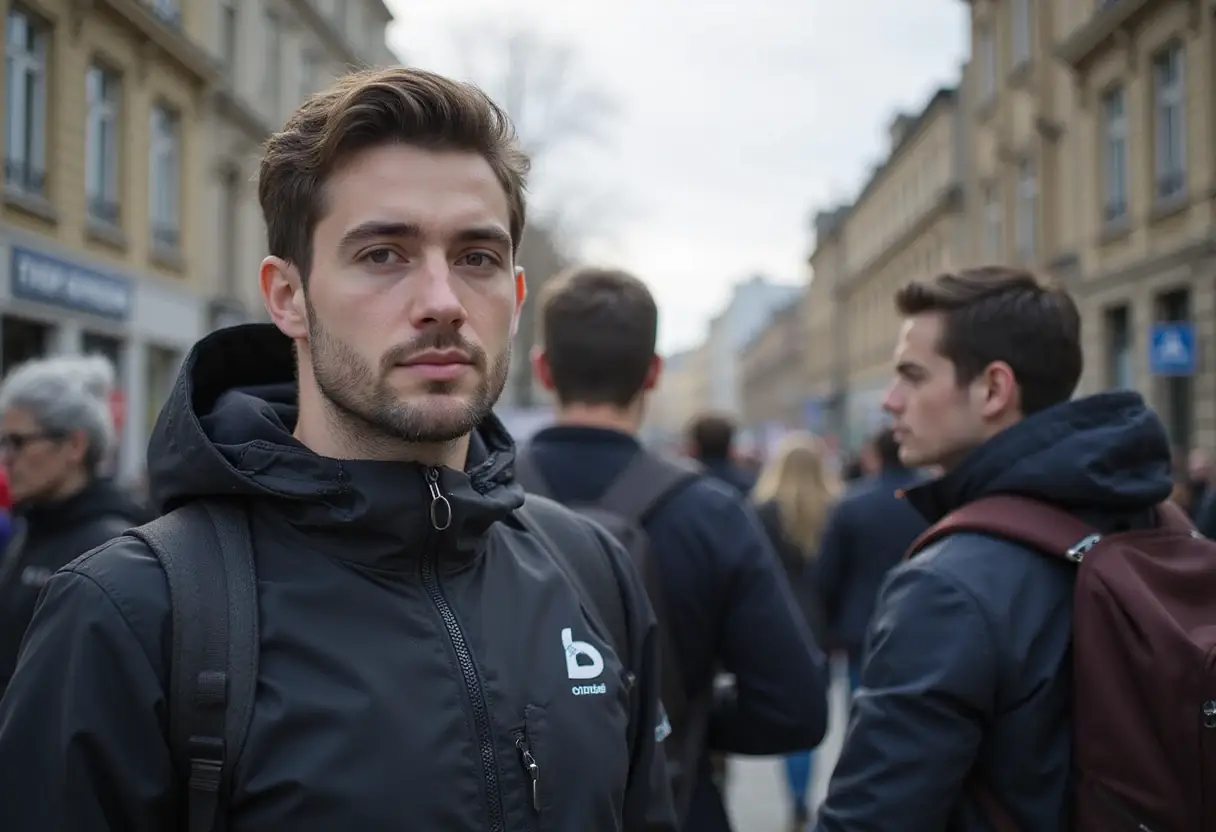
Hundreds of voters have pasted their "I Voted" stickers on memorials to people killed by U.S. Immigration and Customs Enforcement (ICE) officers in the days before the November 3 general election.
The gesture carries a plain message: they voted blue, against the Trump administration. It turns the small adhesive badge you get after casting a ballot into a public act of mourning.
This is the first nationwide general election since President Donald Trump began his second term in 2025. In the nearly two years since, his administration's immigration crackdowns have separated families, left children begging for help from inside detention centers, and often proved fatal, according to reporting compiled by Hyperallergic.
The numbers behind the stickers are stark:
- ICE officials have shot and killed several people in the street.
- At least 31 people died in ICE custody this year alone.
What does the sticker ritual actually do?
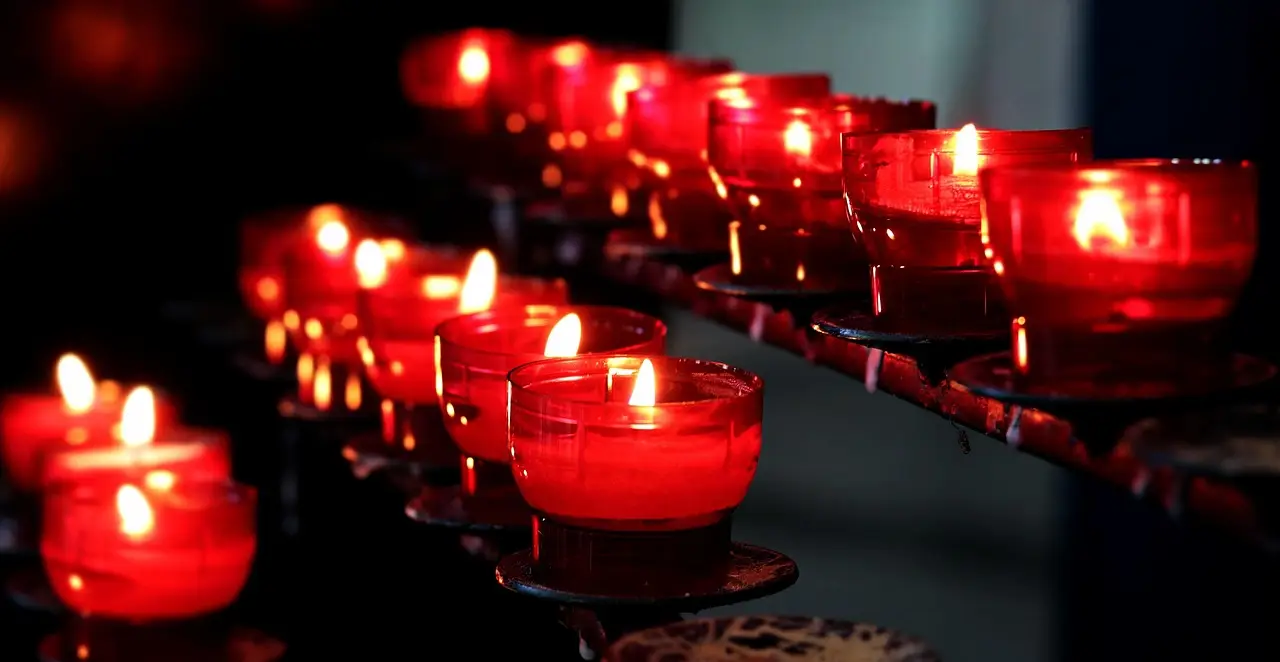
It works as memorial and protest at once. A sticker lasts only days, but placed en masse on a roadside shrine, it records something a ballot can't show: who showed up, and for whom.
For many voters who voted early or lined up on Election Day itself, candidates' positions on immigration were a crucial deciding factor. The memorials became the place where that political choice met private grief.
The Houston memorial to Lorenzo Salgado Araujo
At the roadside memorial honoring Lorenzo Salgado Araujo, a 52-year-old man fatally shot by ICE in Houston in July, dozens of Harris County "I Voted" stickers now affirm his memory, as photographer Raquel Natalicchio documented for the Houston Chronicle.
Elsewhere at the site, handwritten messages sprawl across a wooden board. They read: "We make America great," "I voted for you," and "You didn't deserve this."
The phrase flips a familiar slogan. "We make America great" answers the Trump campaign's motto with a collective, first-person subject — the voters, not the leader.
Why this election felt different
The November 3 vote is the public's first full electoral reckoning with the second Trump term and its immigration enforcement record. Roadside memorials like Araujo's gave that reckoning a physical address.
A sticker placed on a memorial also does something a vote alone cannot: it names a person. Araujo, 52, is not a statistic on the wooden board — he is the reason the board exists.
Whether the ritual outlasts the election cycle is an open question, but the memorials have already become a running record of how ICE killings are reshaping how Americans mark the act of voting.
Original: nipnlg.org
More from Grace Kim
Show full bio
Correspondent covering technology and product news in arts in the broadest sense at Arts & Voices.
1,032 articles